
Free in-home measure and quote - PGT, CGI and CWS impact lines compared on your actual openings, style by style
Sliding glass doors
Impact garage doorsPGTCGI
 Before
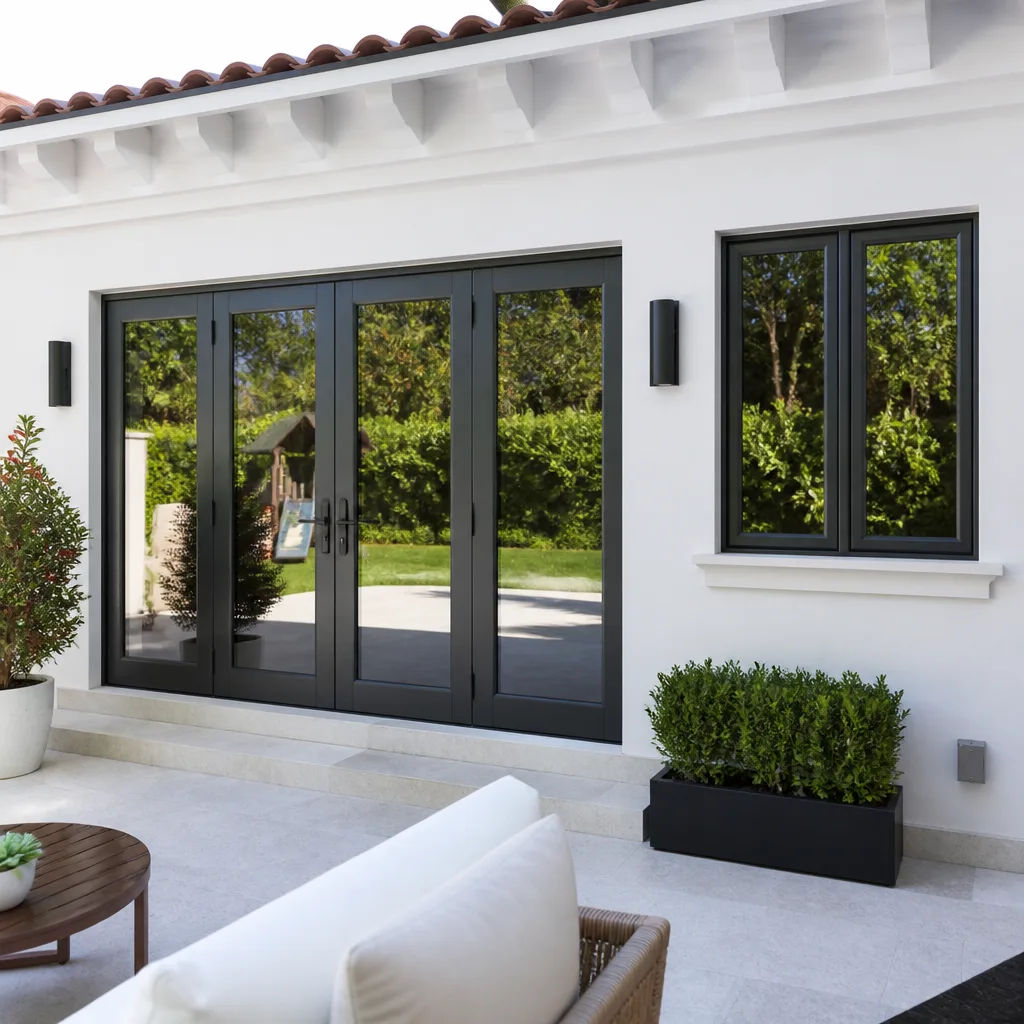 After
After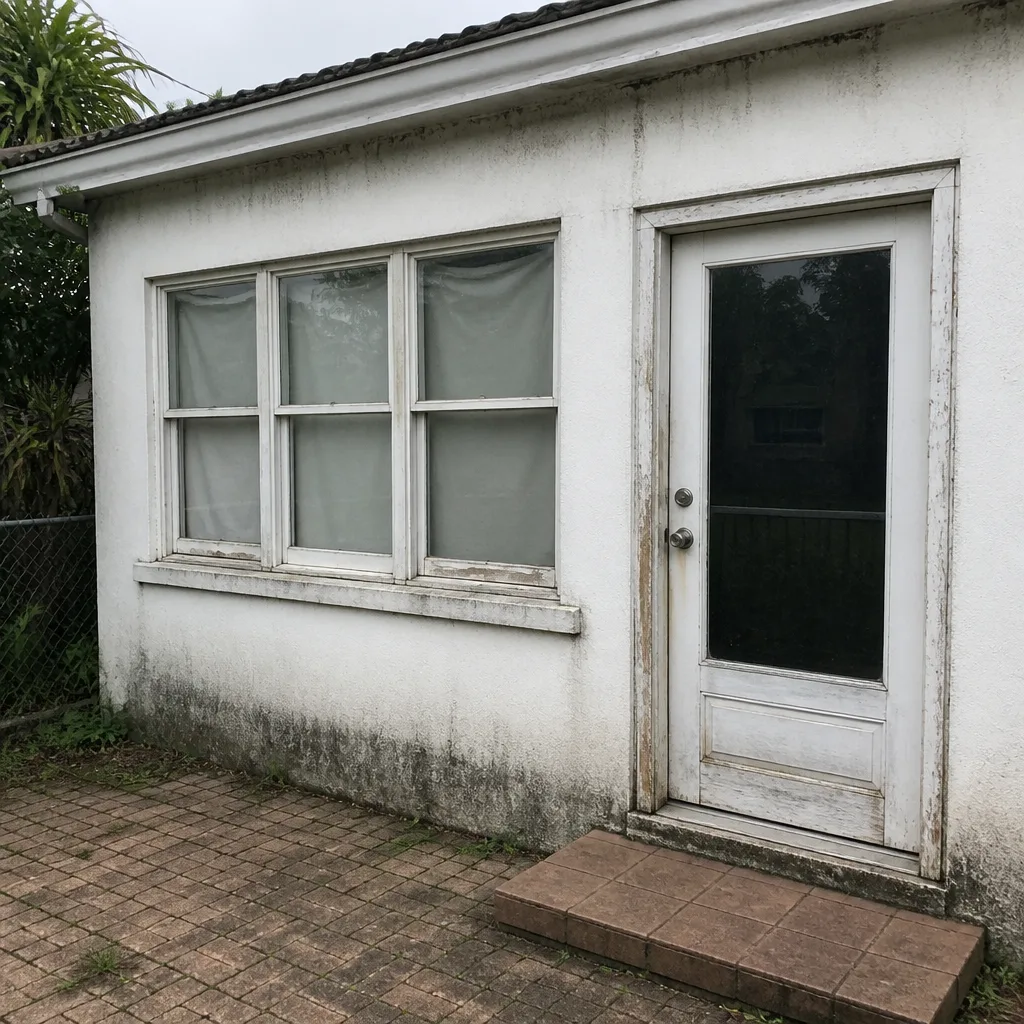 Before
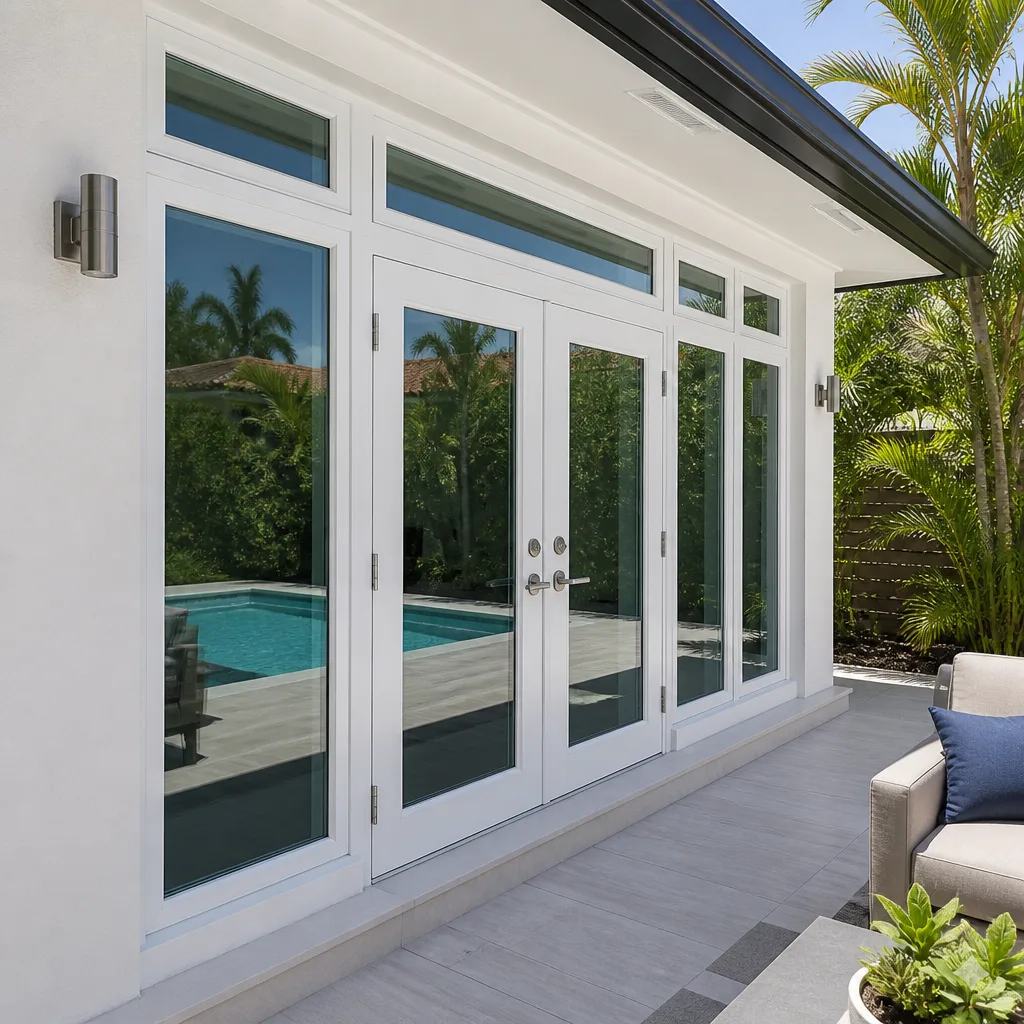 After
After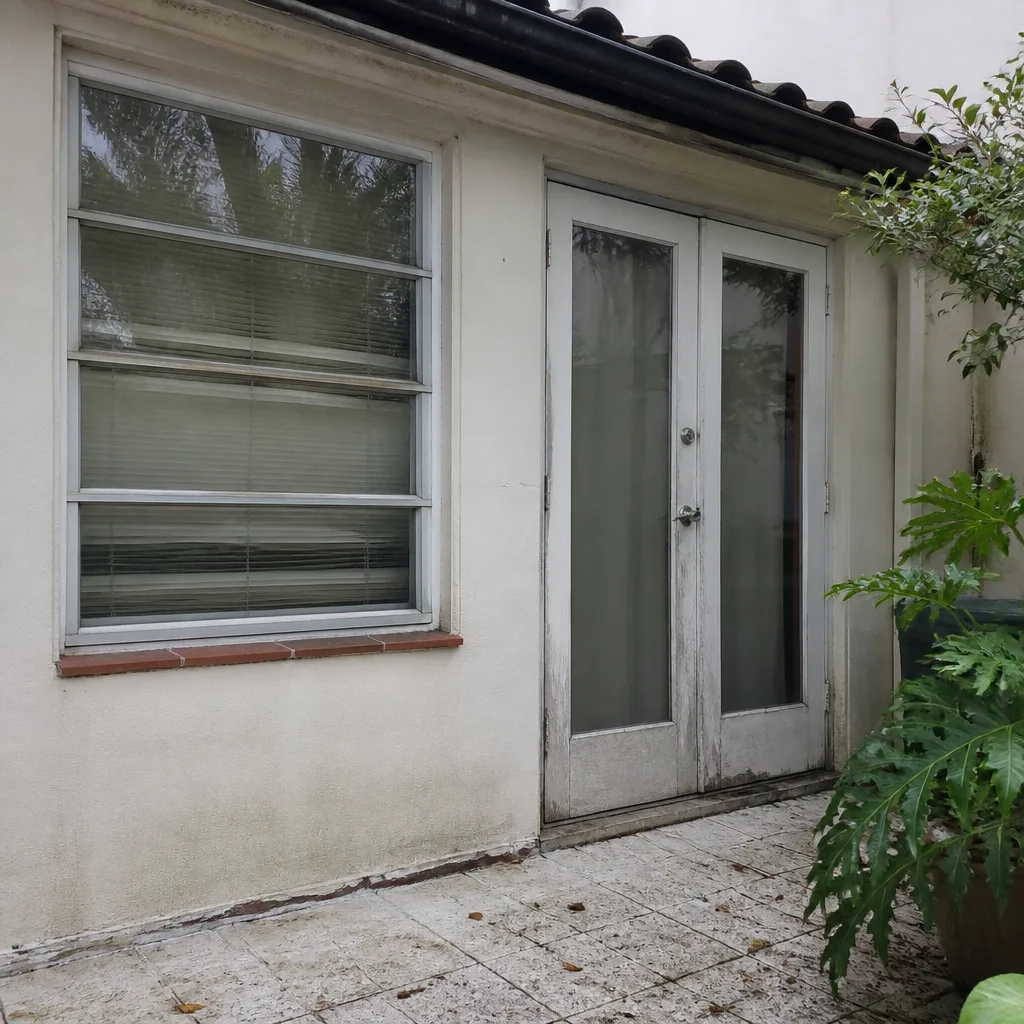 Before
 After
AfterCGI Glass Railing Systems: The Miami Beach Owner’s Guide
We stock and install CGI-compatible glass railing system components for Miami Beach homes, with most glass panel replacements running $220 to $480 per panel installed, and full rail section rebuilds typically landing between $1,400 and $3,200 depending on length and hardware condition. You’ll usually know a part has failed when a panel shifts in the wind, the top rail feels loose to the touch, or the stainless clamps show white corrosion bloom that won’t wipe off. In most cases we carry the common CGI spigot sizes, standoff pins, and shoe hardware on the truck, so the first visit is the one that fixes it.
We’re an independent glass and railing service provider serving Miami Beach, not a CGI corporate entity, but we work with their hardware lines every week and match parts to the exact series you have, not the closest thing on the shelf.
Which CGI Models This Applies To
CGI’s glass railing line spans a few distinct series, and the hardware is not universally interchangeable across them. The two most common in Miami Beach are the Designer Series (frameless, with round stainless spigots gripping the glass directly) and the Classic Series (top-rail supported, with the glass set into aluminum base shoe). Occasionally we see their Balcony Series on older condo retrofits, which uses a thicker 1/2-inch tempered lite instead of the usual 3/8-inch.
Here’s the gotcha that trips up most homeowners and more than a few handymen: the spigot jaw width is specific to the glass thickness, and a 3/8-inch spigot will not properly clamp a 12mm panel from the Balcony line even though both look identical from six feet away. The part number is laser-etched on the inside face of the spigot body, typically starting with “CGI-SP” followed by four digits. If the etching has worn off, we measure the glass with a caliper and pull the matching OEM specification before quoting anything. For aftermarket equivalents we only recommend marine-grade 316 stainless, not the 304 you’ll find in big-box hardware sections, because 304 corrodes in salt air within two to three seasons here. OEM is the safer default for load-rated hardware; aftermarket makes sense only for base shoe gaskets and rubber setters, where the material, not the brand, determines lifespan.
Signs Your CGI Glass Railing Systems Is Failing
- Panel movement when pressed or in wind. This almost always means the spigot’s internal nylon jaw liner has compressed from years of thermal cycling. The glass is fine; the grip is gone. Left alone, the panel starts wearing a groove into the glass edge, which turns a $12 liner into a $400 panel replacement.
- White or gray bloom on stainless hardware. That’s chloride corrosion from the salt air off the Atlantic and Biscayne Bay. It typically starts on the set screws and creep upward. Early bloom is cosmetic; pitting you can feel with a fingernail means the hardware has lost structural nickel and should be replaced before hurricane season, not after.
- Water staining between glass and spigot. This indicates the EPDM gasket inside the clamp has dried and shrunk. Water sits in the gap, mineral deposits build, and the seal no longer cushions the glass. On Miami Beach properties within three blocks of the water, gaskets typically die in five to seven years, not the ten-plus that inland homes see.
- Top rail wiggle on the Classic Series. The set screw that anchors the rail to the end post has backed off, or the nylon bushing inside the post cap has cracked. Tightening without replacing the bushing works for about a month, then it loosens again.
- Rattling or buzzing at a specific wind speed. A harmonic vibration, not structural failure, but it means a tolerance somewhere has opened up: usually a missing set screw or a spigot whose liner is at the end of its life. Find it early before the vibration starts scoring the glass edge.
Replacement Cost & What’s Included
Here’s what we quote for CGI glass railing work in Miami Beach, and we put it in writing before any work starts:
- Single glass panel replacement (3/8-inch tempered, cut to size): $220 to $480 installed, depending on panel dimensions and whether the site access is ground floor or requires lift equipment.
- Spigot or standoff pin replacement (matching OEM spec): $45 to $110 per unit installed, including the new jaw liner and set screws.
- Base shoe gasket replacement (Classic Series): $18 to $35 per linear foot.
- Full rail section rebuild (top rail, 4 to 6 panels, all spigots and posts inspected): $1,400 to $3,200, depending on footage, glass thickness, and whether the decking under the posts needs reinforcement.
The range on full rebuilds comes down to access and what’s hiding under the post bases. Frameless systems on poured concrete with same-grade access run lower; top-rail systems on tile-over-wood decks where the post anchors have loosened run higher because we won’t set a new rail on a wobbly base. Every job includes re-registration of the warranty paperwork and our workmanship warranty in writing.
DIY or Call Us?
Glass railing components are under constant tension, and the glass itself is tempered, which means it will not crack slowly. It fails all at once into hundreds of small cubes, usually while someone is leaning on it. That makes this a part where honest DIY is limited. You can safely check for loose set screws (Allen wrench, no power tools), identify whether the etching is visible on the spigot, and note which panels rattle so you can describe the issue accurately when you call.
What you should not do is remove a spigot yourself, try to re-shim a panel to stop wobble, or attempt to muscle a top rail back into alignment. The minute you loosen the wrong fastener, the entire panel drops free and the glass will take a finger off if you’re lucky. We’re not trying to scare you off; we’re telling you what Dale’s seen over two decades of Miami Beach work, and the pattern on failed DIY railing repairs is consistent and avoidable. Call us at (386) 406-9359 and we’ll send someone who sets glass for a living, with the right parts on the truck.
FAQs
The glass itself will last decades; the hardware typically lives five to ten years in our salt air, and that’s the part that fails first. Homes within three blocks of the water run toward the five-year end; inland Miami Beach houses often get eight to ten. The jaw liners inside the spigots are the first things to go. Call (386) 406-9359 and we’ll give you an honest assessment of what’s left in yours.
Yes, for specific components. Spigot jaw liners, EPDM gaskets, set screws, post cap bushings, and base shoe gaskets are all repairable at low cost. The glass itself cannot be repaired once it’s cracked, chipped at the edge, or deeply scratched from a failed liner. Call (386) 406-9359 and we’ll tell you which side of that line your part falls on before quoting anything.
Single spigot swaps, liner replacements, and gasket renewals happen in one visit, usually under two hours. Glass panel replacements take three to five business days for cut and tempering, then about an hour to set. Full rail rebuilds run a full day. Call (386) 406-9359 and we’ll give you a written schedule, not a guess.
We stock the common CGI spigot sizes, set screws, jaw liners, EPDM gaskets, and base shoe setters on our service trucks. Odd-size glass panels and non-standard spigot configurations get ordered from the manufacturer with a three-to-five-business-day lead. Call (386) 406-9359 and we’ll tell you likely inventory for your exact series before you hang up.
Written by Dale Kessler, Owner, TruePane Windows & Doors at TruePane Windows & Doors, serving Miami Beach and nearby areas.
Six Reasons Homeowners Choose TruePane Windows & Doors
Impact systems engineered to design pressures up to +/-100, matched to your wind zone - your openings hold when the storm arrives.
Low-E insulated impact glass from our manufacturer lines commonly cuts monthly cooling bills 20-30%.
Laminated impact glass shuts out up to 40% of outside noise - traffic, neighbors, weather.
Monitoring services run $30-90 a month. Laminated impact glass resists forced entry around the clock, with no subscription.
Florida homeowners average around 25% savings on the windstorm portion of their policy after protecting every opening - some homes qualify for more.
A full impact package upgrades curb appeal, buyer confidence and appraised value in one project.