
Last updated August 27, 2026
Free in-home measure and quote - PGT, CGI and CWS impact lines compared on your actual openings, style by style
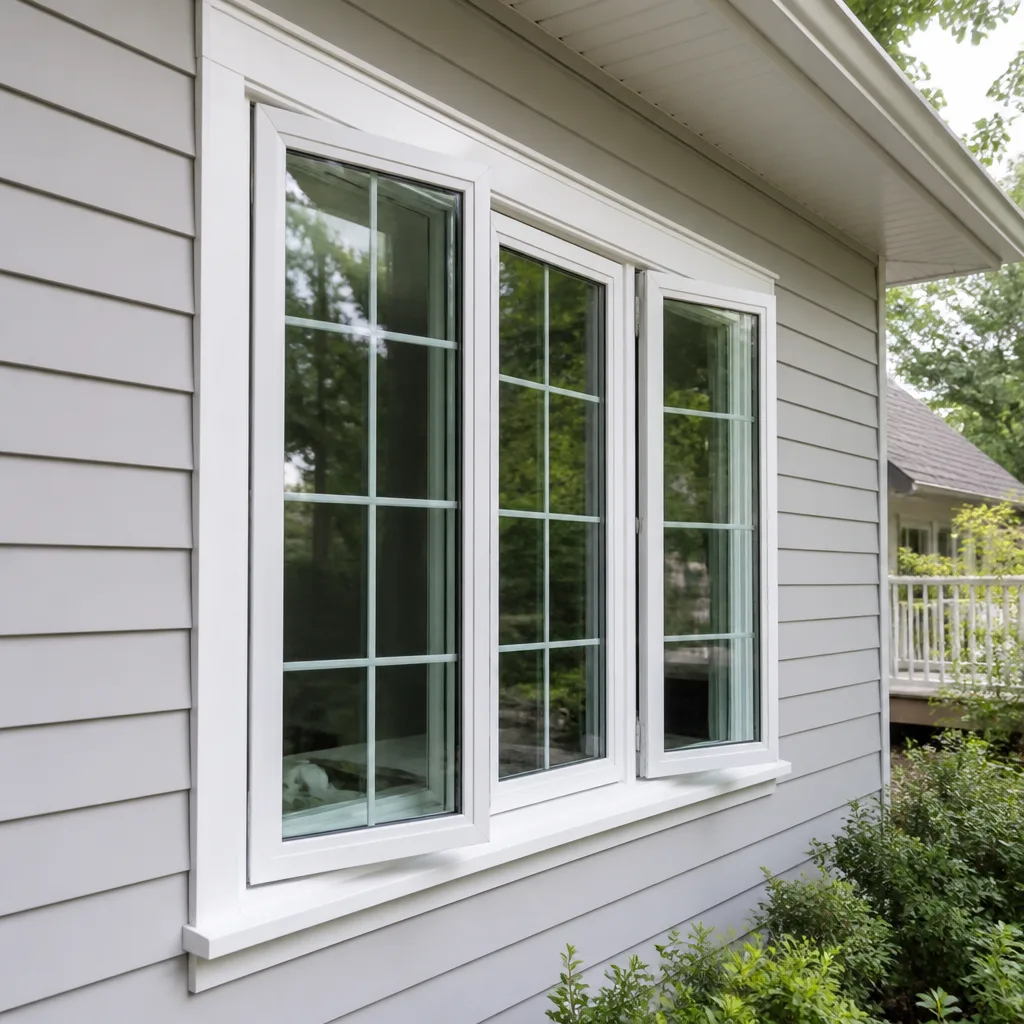
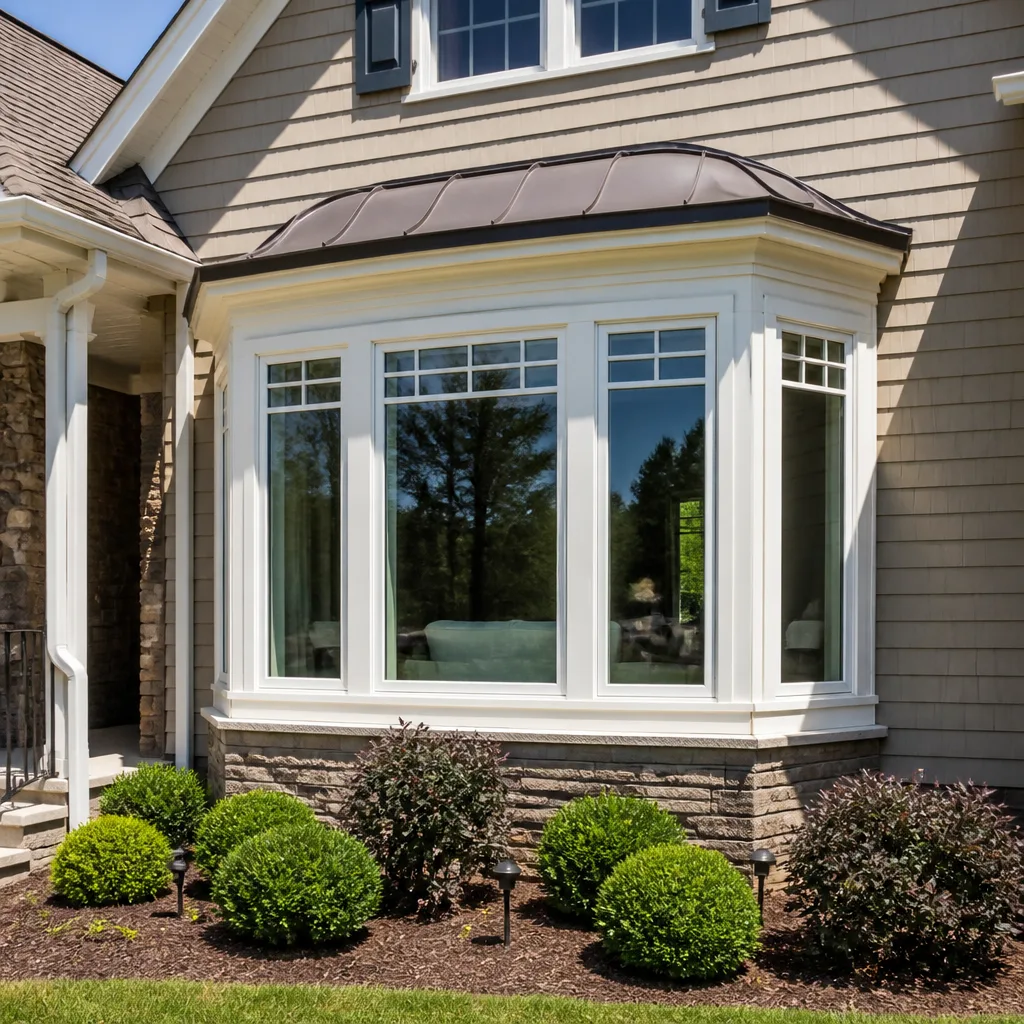
Sliding glass doors
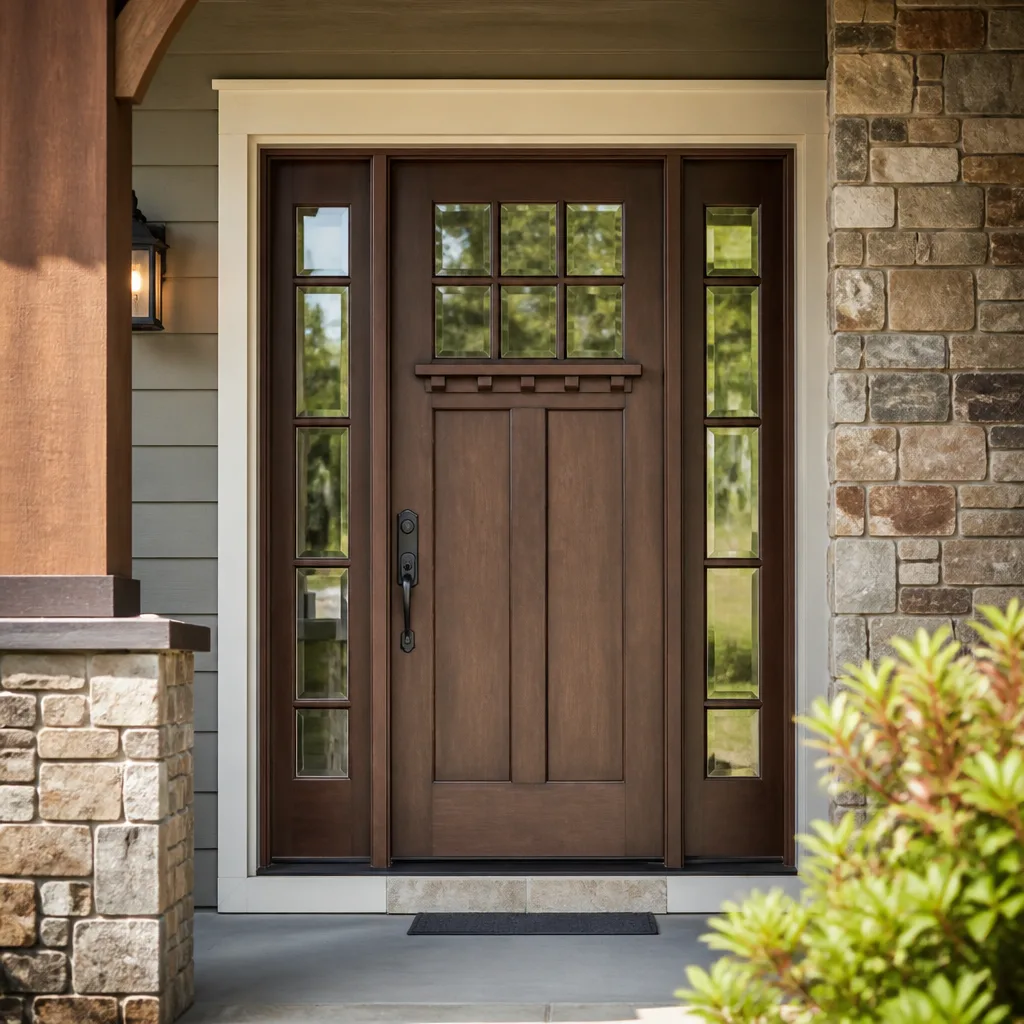
Impact garage doorsPGTCGI
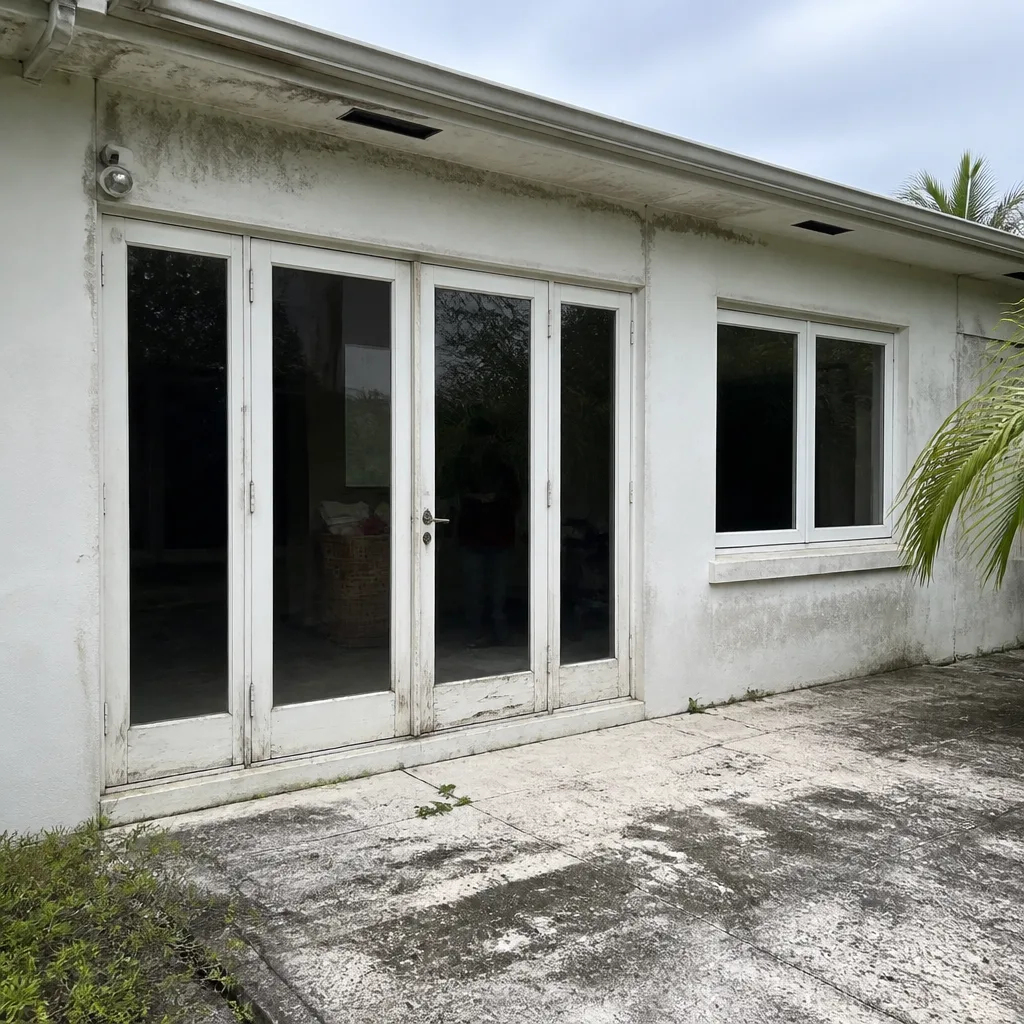 Before
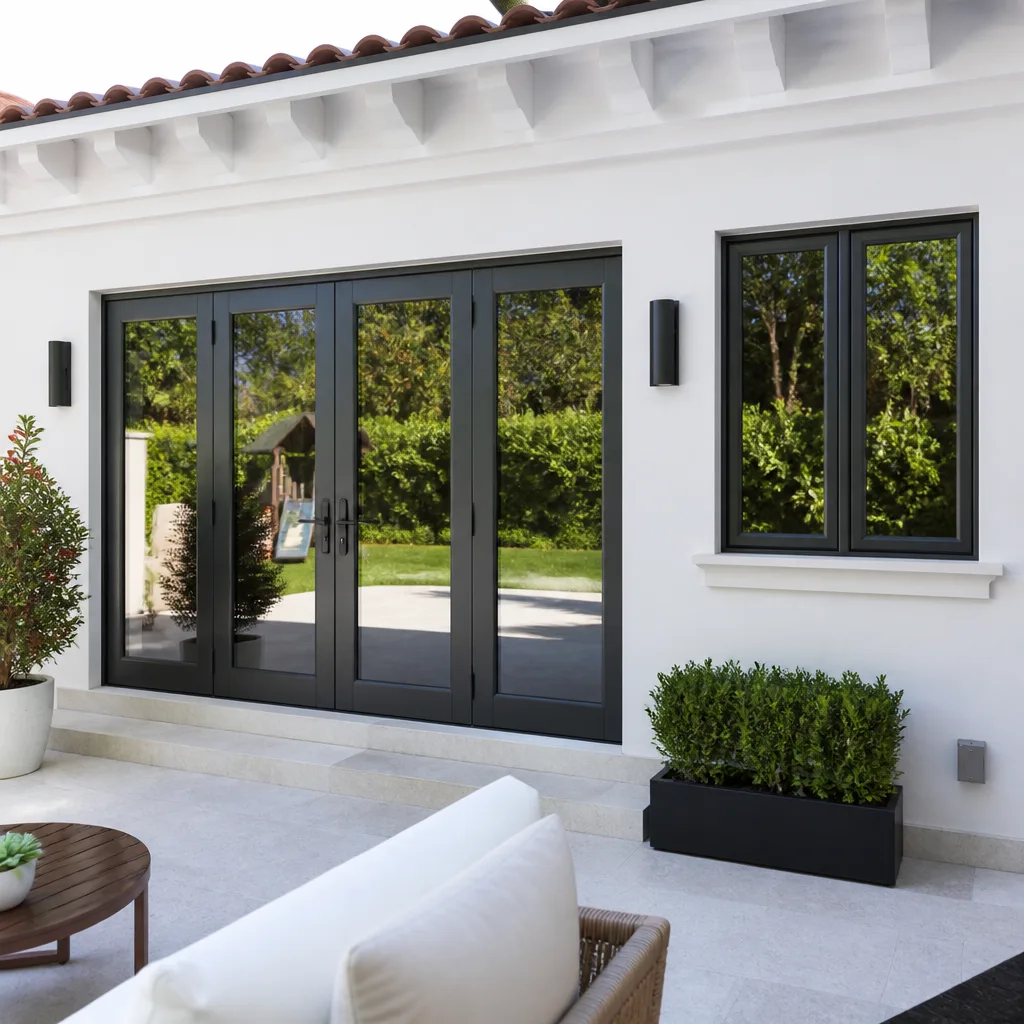 After
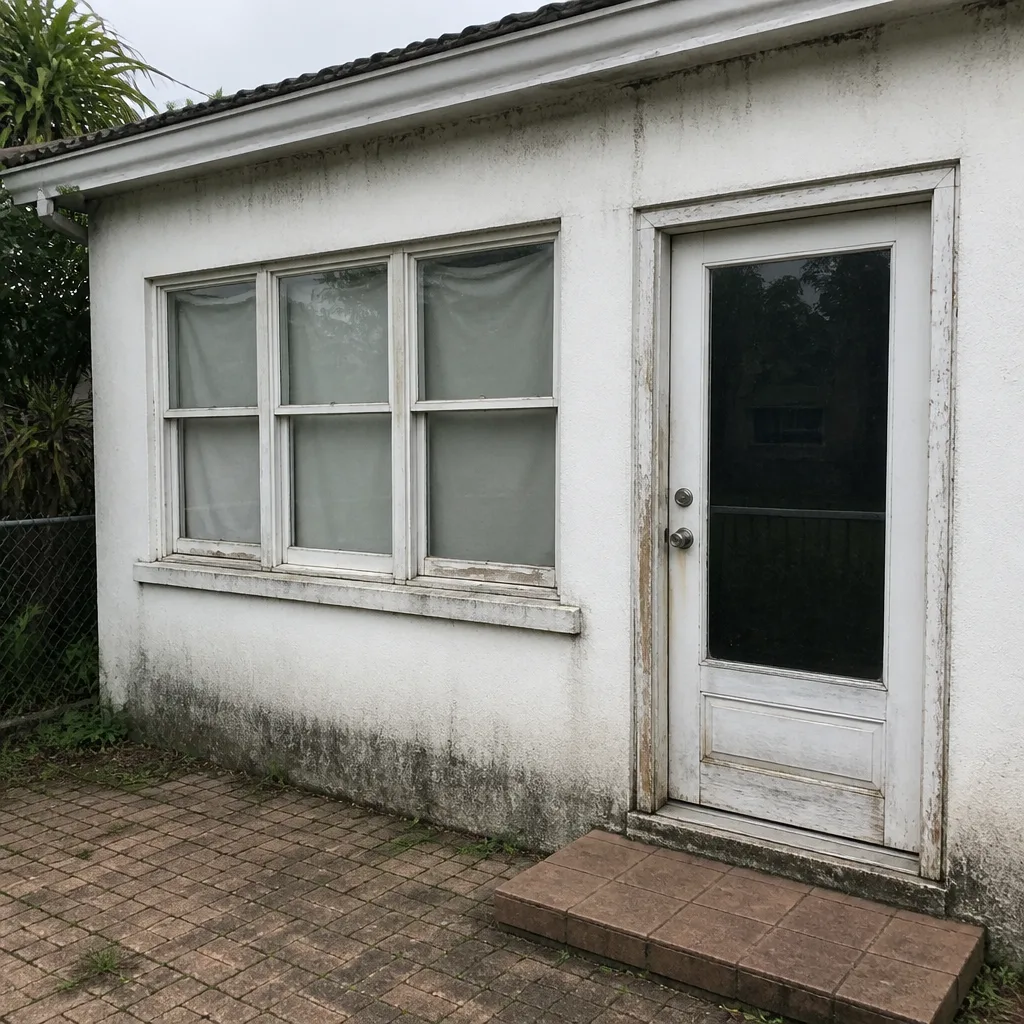 Before
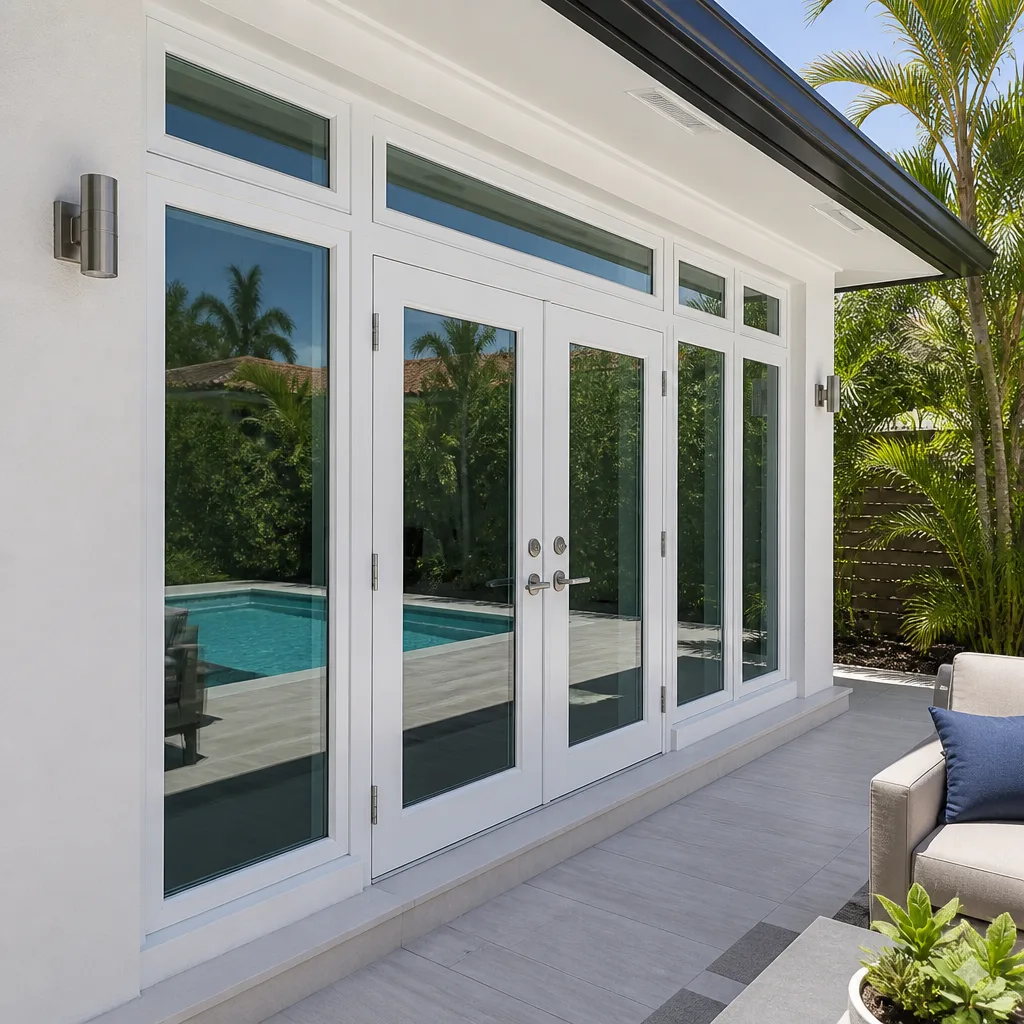 After
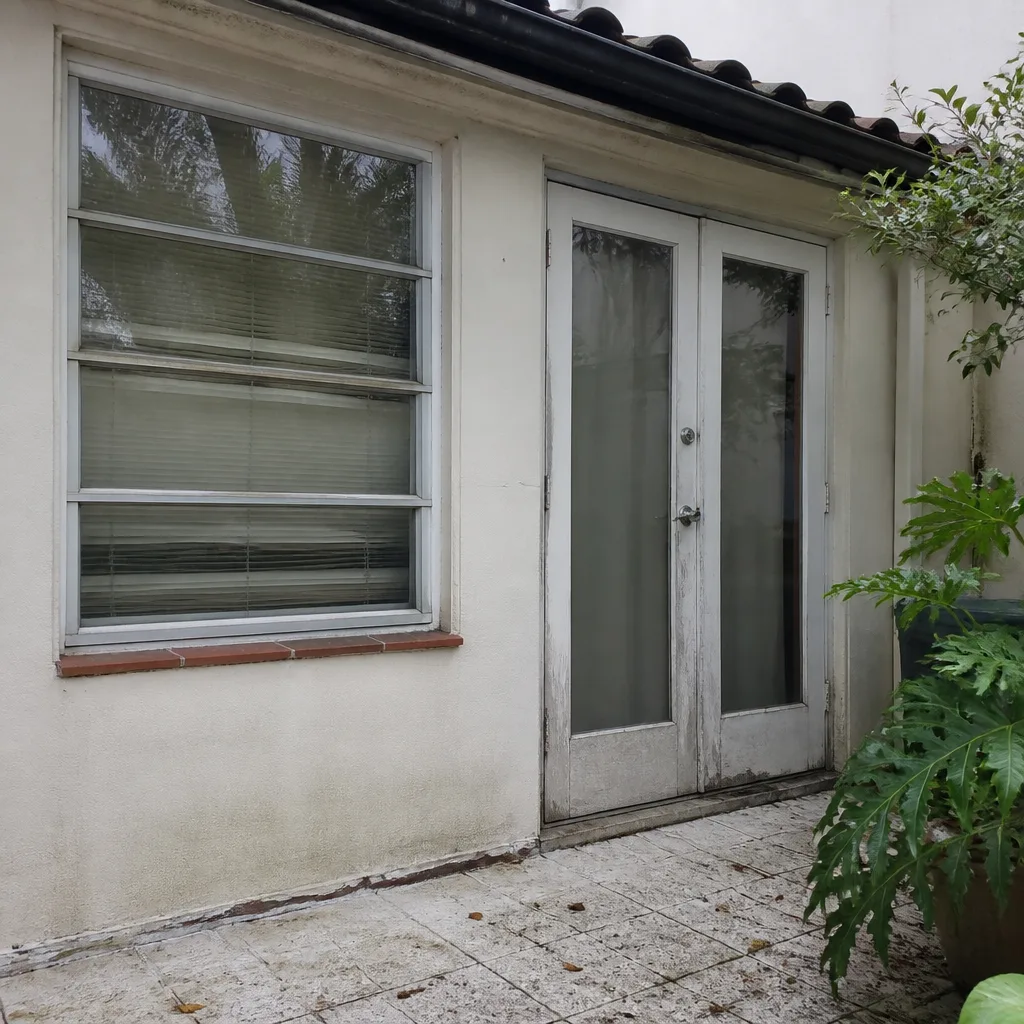 Before
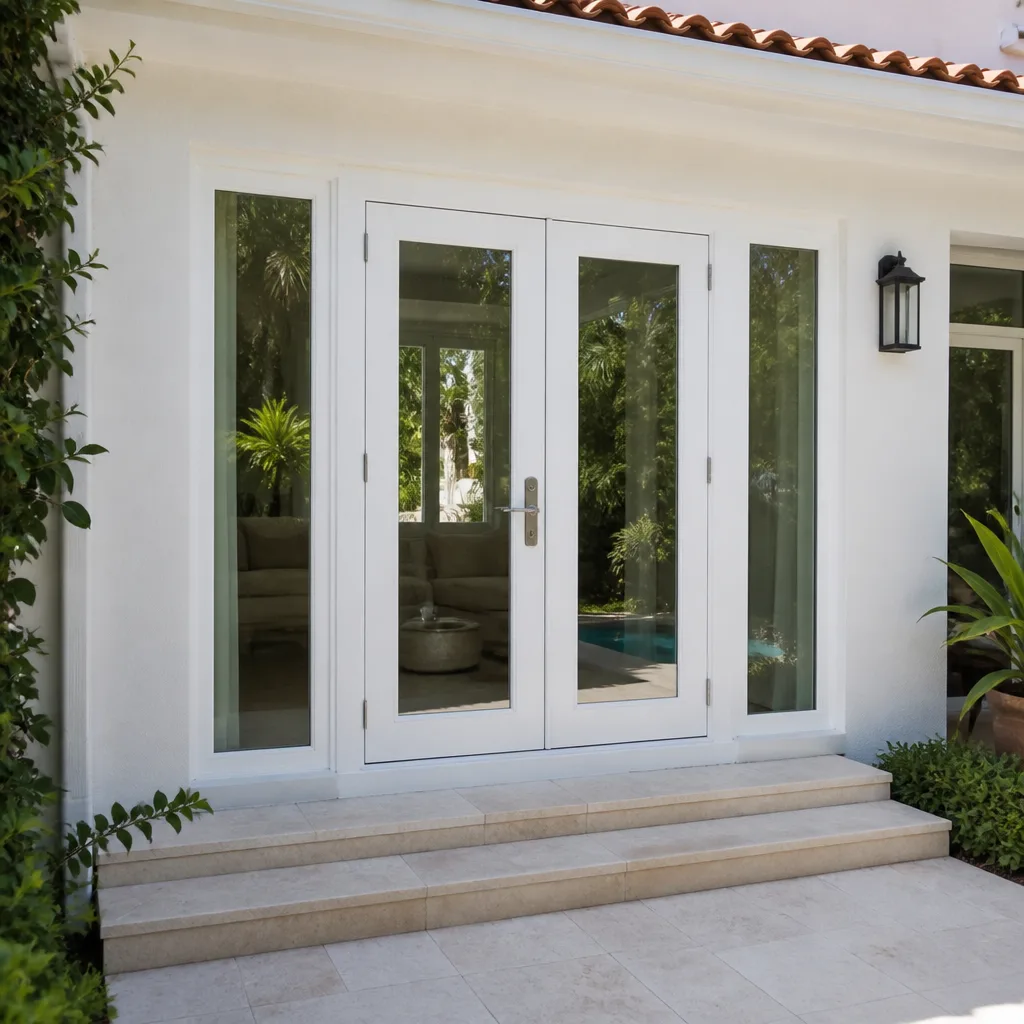 After
Windows & Doors Warning Signs: A Miami Beach Homeowner’s Reference Guide
Most homeowners in Miami Beach don’t replace a window because it looks tired. They replace it because it failed in a way they could no longer ignore, and by the time they noticed, the damage had already spread past the glass. Salt air, hurricane-driven rain, and relentless UV do not announce themselves. They work quietly on seals, tracks, frames, and flashing for years. This guide is a reference you can keep. It tells you what to look for, what each warning sign actually means, what it costs to ignore it, and when a repair stops making sense. You will learn the difference between cosmetic wear and structural failure, and you will learn it in the language of a tradesperson who has worked Miami Beach homes since 2008.
Quick Answer
Windows and doors in Miami Beach typically show failure through fogged glass, binding operation, soft or swollen frames, water staining, and drafts you can feel. Any one of those signs means the seal, the installation, or the frame has already begun to fail. Address them early and you are usually looking at a few hundred dollars; wait until water reaches the wall cavity and a $700 repair becomes a $7,000 rebuild.
Table of Contents
- Fogged Glass and Seal Failure
- Windows and Doors That Bind, Stick, or Won’t Latch
- Water Staining and Leaks Around the Opening
- Drafts You Can Feel and Energy Bills That Keep Climbing
- Soft Frames, Rot, and Termite Tracks
- Impact Rating and Hurricane Code Compliance in Miami Beach
- Condensation Patterns: What’s Normal and What’s Not
- Common Mistakes to Avoid
- When to Call a Professional
- Frequently Asked Questions
Fogged Glass and Seal Failure
Fog between double-pane glass is not condensation you can wipe away. It is moisture that has found its way between the two layers of glass because the perimeter seal has failed. In a single-pane house, fog is on the room-side surface and you can dry it. Between the panes, it never dries. That is the difference, and it is the first thing we check on a service call in Miami Beach.
A failed seal on an insulated glass unit (IGU) means the desiccant inside the spacer has absorbed all the moisture it can hold. Once that happens, the fog becomes permanent and the window’s insulating value drops. The glass still blocks wind, but it no longer insulates the way it did when it left the factory. On a north-facing window in a mild climate, that might be a cosmetic nuisance. On a west-facing Miami Beach window in August, it is an energy cost you pay every month.
We see seal failures most often in homes built between 1995 and 2012, during the first big condo and townhome build-out in Miami Beach. The windows installed then were not bad windows, but they are now twenty to thirty years old, and the sealant technology of that era has a working life. Salt air shortens it further. When we inspect a fogged window, we are not trying to sell you a new one. We are measuring the glass thickness, checking the spacer, and asking one question: is this unit worth reglazing, or is the frame itself near the end of its service life?
Reglazing an IGU runs roughly $250 to $450 per window in Miami Beach, depending on glass size and whether the sash needs rework. Full replacement of the window runs higher, but brings new seals, new hardware, and a fresh warranty. If the window is original to a 1998 build and three neighbors have already replaced theirs, reglazing buys you a few years, not a solution. The honest answer depends on the frame, and the frame is the thing that tells the truth.
Windows and Doors That Bind, Stick, or Won’t Latch
A window that scrapes when you open it, or a door that binds against the jamb in the afternoon but not the morning, is telling you the building is moving. In Miami Beach, what moves buildings is a combination of three things: slab settlement on sandy fill, thermal expansion of sun-baked metal and vinyl, and humidity that swells wood and composite frames.
Here is the sequence, in the order we almost always see it:
- A door begins to drag slightly on the hinge side or the latch side, usually in summer.
- The homeowner adjusts the strike plate or trims the door edge to force it to latch.
- The underlying frame movement continues, and the door starts to wedge at the top corner.
- Eventually the door won’t latch at all, and the weatherstrip is permanently deformed.
- Then the threshold or the sill starts collecting water because the door no longer seats against the gasket.
The mistake is treating the symptom as a hardware problem. A sticking door in a Miami Beach condo or single-family home is often a frame or jamb issue. The fix might be as simple as adjusting hinges and re-shimming the jamb, or it might require re-hanging the door entirely. TruePane technicians measure the diagonal of the opening to check for racking before touching a screw. If the opening is out of square, no amount of sanding fixes it. The opening has to be corrected, or the new door will do exactly what the old one did.
Sliding patio doors have their own failure mode: track wear. Salt grit works its way into the roller channel and grinds the rollers flat. A heavily used slider in Miami Beach, especially one facing the water, can wear rollers out in eight to ten years. Replacing the rollers and cleaning the track is under $200 when caught early. Once the track itself is scored, the repair price climbs. Listen for a grinding sound and pay attention to how much lift you need to get the panel past the middle. Both are early warnings.
Water Staining and Leaks Around the Opening
Water staining on drywall, peeling paint along the sill, or a soft spot in the wall under a window is the warning sign that has already cost the homeowner money. By the time you see the stain, water has been entering the wall for a while. The stain is the evidence, not the event.
In Miami Beach, the usual entry point is not through the glass. It is through the flashing, the caulk, or the drainage path around the window or door. A properly installed window has a drainage plane behind the exterior finish, a sill pan below the window, and flashing tape that directs water out and down. Miss any one of those components and wind-driven rain gets behind the frame, into the wood, and eventually onto your drywall.
What confuses homeowners is that the leak shows up far from the actual failure. Water runs down the inside of the wall, hits a framing member, and travels sideways until it finds a hole or a joint. We have found leaks in Miami Beach homes where the stain was in the ceiling, the entry point was a second-floor window, and the actual failed component was a missing drip cap. It takes measurement and a moisture meter to trace, which is why guessing at caulk lines does not fix it.
If you see a water stain, do this before you call anyone:
- Photograph the stain from three angles, including a wide shot and a close-up.
- Mark the edge of the stain lightly in pencil and date the mark.
- Check whether the stain grows after the next hard rain, and in which direction.
- Look at the exterior of the nearest window or door. Note any cracked caulk, missing flashing, or gaps.
- Call a glazier, not a painter. A painter can hide the stain; a glazier finds the source.
Water damage inside the wall is a mold and rot concern in Miami Beach’s humidity. This is the warning sign that costs the most to ignore, and it is the one where a free estimate from a qualified shop pays for itself immediately. TruePane offers free estimates in Miami Beach. We will find the leak or tell you we could not, and either way you will know more than you did before we came.
Drafts You Can Feel and Energy Bills That Keep Climbing
A draft you can feel with the back of your hand is a leak, not a draft. Windows and doors are supposed to be part of the conditioned envelope of the house. When air moves across them, you are paying to cool Miami Beach air twice: once to cool it, and again to lose it through the opening.
Here is what drafts actually cost, in real numbers. A typical aluminum single-pane jalousie or awning window from the 1970s has an R-value of roughly 1. A modern impact-rated double-pane low-E window is closer to R-3.5 to R-5. That is a three-to-five-times improvement in thermal resistance. The window itself is not the whole energy picture, but it is a meaningful portion, especially on a west-facing elevation where afternoon sun loads the glass and frame.
The test for a draft is simple and takes no tools. Wait for a breezy day. Wet the back of your hand and move it slowly around the perimeter of each window and door, inside the house. You are feeling for moving air. Do it in the late afternoon, when the temperature difference between inside and outside is largest. Any movement on the inside track is a seal failure. Movement around the frame is an installation or weatherstrip failure. Two different problems, two different repairs, and it matters which one you have.
Weatherstrip replacement on a single window or door usually runs $75 to $200 per opening. If the frame is warped and the weatherstrip can’t seat, the conversation changes to replacement. In our experience, a Miami Beach house built before 1995 that still has original windows is leaking in ways the homeowner has simply learned to tune out. The fix is not caulk. The fix is new units with modern gaskets, properly shimmed and sealed.
Soft Frames, Rot, and Termite Tracks
Press a thumbnail into the bottom corner of a wood window frame. If it sinks, the wood is water-damaged. If it crumbles, it is termite-damaged. That is a field test we do on nearly every Miami Beach inspection, because rot and subterranean termites are both common here and both like the same thing: damp wood in contact with a window opening.
Wood rot on window and door frames in South Florida is almost always secondary to a drainage failure. The joint between the frame and the wall was not flashed, or the caulk failed, or the sill pan is missing. Water soaks the end grain of the frame, and the wood never dries because Miami Beach’s average humidity rarely drops below 65 percent. The result is soft wood in the lower corners of the frame, at the joint where the jamb meets the sill.
Termites are a separate problem with the same entry path. Subterranean termites in Miami Beach find their way through cracks in the slab, mud tubes up the foundation, and then into any wood that touches the earth or is damp enough to feed on. Window and door frames are common infestation points because they are the lowest wood in the wall and the most likely to get wet.
What to look for:
- Paint that is bubbling or peeling at the bottom corner of a frame, especially if the paint flakes off in flat sheets rather than chips.
- Wood that sounds hollow when tapped with a screwdriver handle.
- Small holes in the wood surface with fine sawdust or fecal pellets nearby.
- Mud tubes, about the diameter of a pencil, running up the exterior wall or inside a stucco crack near a door frame.
- A frame that has visibly pulled away from the wall or the glass, leaving a gap that was not there a year ago.
If you find any of these, do not caulk over it. Caulk hides the damage and gives termites longer to work. The correct response is a professional inspection, and in many cases, the affected frame has to be removed to see how far the damage extends. On a concrete-block Miami Beach home with aluminum or vinyl windows, the frame material itself does not rot, but the wood buck around the window does. On a wood-frame house from the 1940s or 1950s, the window frame is often load-bearing in part, and repairs are more involved. Either way, the cost of ignoring it multiplies.
Impact Rating and Hurricane Code Compliance in Miami Beach
Miami Beach is in Miami-Dade County, which has the strictest wind-borne debris standards in the United States. Any window or door that is replaced, repositioned, or newly installed must meet the Florida Building Code’s High Velocity Hurricane Zone (HVHZ) requirements. That means impact-rated glass or an approved shutter system, and it means product approval numbers that match what is actually installed. This is not a suggestion, and it is not something a homeowner can waive.
The practical consequence for a Miami Beach homeowner is this: you cannot put a standard off-the-shelf window from a big-box store into a Miami Beach house without violating code. Approved impact windows and doors carry a Miami-Dade NOA (Notice of Acceptance) or a Florida Product Approval (FL number). The products are tested missile-impact proof: a 9-pound 2-by-4 fired at the glass at 34 miles per hour, followed by wind pressure cycling. Most fail the test. The ones that pass are the ones you are allowed to install.
We are an authorized installer for more than a dozen manufacturer lines, including PGT, CGI. When we quote an impact window or door job in Miami Beach, we quote manufacturer lines side by side on paper, with the product approval numbers listed. You see exactly what you are paying for. The Keystone Standard means both manufacturer warranty layers are registered in writing and the durations stated before our team leaves your driveway.
One warning sign we look for on older Miami Beach homes: windows that are physically intact but have no visible product approval label. If the label is missing and the homeowner cannot produce the approval paperwork, the window may not be code-compliant, which becomes a problem at resale and a problem in an inspection. The fix is sometimes as simple as retrofitting approved film or shutters, but in many cases the window was never compliant and needs to be replaced. A qualified glazier can tell you in one visit.
Condensation Patterns: What’s Normal and What’s Not
Not all condensation is a warning sign. In Miami Beach, the dew point is high enough that a cold glass of water sweats on the outside in February. The same thing can happen to a window. Here is how to read the patterns.
Condensation on the inside of the glass, on the room side, is a humidity problem, not a window failure. It happens when interior moisture, from showers, cooking, or simply humid outdoor air entering the house, meets a cool glass surface. In Miami Beach, this is common in summer in air-conditioned rooms and in winter on unheated mornings. Opening a window or running an exhaust fan changes it immediately. The window is fine.
Condensation between the panes of a double-pane unit is always a seal failure. Always. No exceptions. If you can run your finger over the inside and outside surfaces and the fog is still there, the seal is dead and the IGU has to be reglazed or replaced. This one does not dry out.
Condensation on the exterior glass surface, on the outside of the house, is actually a sign of a well-insulated window. It means the exterior pane is cool enough to condense humid Miami Beach air, which means the IGU is doing its job of keeping heat on the outside. We see this more often now with the higher-performance low-E coatings, and homeowners sometimes mistake it for failure. It is not.
Moisture at the corners of the frame, especially at the sill, is the warning sign that matters most. If the glass is clear but the frame feels damp, or water beads on the sill after rain, you have a drainage or flashing problem. This is the precursor to the water staining we covered above, and it is the cheapest moment to fix it. Caulk may solve a surface crack, but it will not solve a missing sill pan or an improperly lapped housewrap. Call before the wall starts drinking.
Common Mistakes to Avoid
- Painting over swollen or soft trim without checking for the moisture source. Paint seals the damage in. It does not stop water from entering behind the frame, and it gives rot and termites more time to work unseen.
- Removing or replacing a storm panel yourself without checking the track and the anchors. Many Miami Beach homes still have accordion or panel shutter systems, and a damaged shutter track is a hurricane-season liability. Panel replacement is not complicated, but a glazier who installs the window and knows the shutter system can do it right.
- Replacing only the fogged glass when the frame is failing. A new IGU in a frame that is soft at the corners is a half-measure. The glass will last, but the frame will continue to deteriorate, and you will be paying twice.
- Choosing a replacement window by price per square foot instead of Miami-Dade approval. The lowest-priced window may not carry the product approval needed for a Miami Beach installation. If it does not have an NOA or FL number, it does not belong in your house.
- Forgetting to check the sliding door track before calling about the door panel. Roller wear and scored tracks are the most common slider failure we see. The panel is usually fine. The track is the patient.
- Waiting until hurricane season to inspect impact windows and doors. June is the worst time to order materials in South Florida. Inspections and replacements done between November and April move faster and cost less.
When to Call a Professional
Some things a homeowner can see and fix. Worn weatherstrip. A loose hinge screw. A dirty slider track. Those are maintenance. The rest of this guide is about failures that need measurement, tools, and experience.
Call a professional when the fog is between the panes, when water is coming through or around the frame, when the frame is soft or cracked, when a door binds and adjusting the hinges does not fix it, or when you need impact compliance verification before selling the house. If you can feel a draft in more than two windows, call. If you see a mud tube anywhere near a door or window, call the next day.
TruePane Windows & Doors offers free estimates in Miami Beach. We measure every opening twice, quote manufacturer lines side by side on paper, and register both warranty layers in writing before the technician leaves the driveway. Call us at (386) 406-9359 to schedule a visit. A live person answers, day or night.
Frequently Asked Questions
Window replacement in Miami Beach typically ranges from $500 to $1,800 per opening for impact-rated units installed, depending on size, glass package, and frame material. The Miami-Dade HVHZ requirement pushes the starting price higher than in most of the country. A standard-size impact window from PGT or Simonton, installed by a qualified glazier and with both warranty layers registered, usually starts around $700 to $1,000 before any custom sizing. Call (386) 406-9359 for an exact quote on your openings; we give you a written line-item price and the estimate is free.
Foggy glass is a manufacturing defect only if the IGU is still within the manufacturer’s seal-failure warranty period, which is typically 10 to 20 years on quality double-pane units. The labor to swap the glass is often not covered after the first year or two. If the certifying label is missing or the window was installed before the current owner bought the house, the warranty is often effectively dead. That is why TruePane registers both manufacturer warranty layers in writing, with durations stated, on every job we install.
Yes, if you are replacing windows or doors, Miami Beach enforces the Miami-Dade High Velocity Hurricane Zone code, which requires impact-rated products with current product approval numbers for any new installation. An existing house is not forced to replace its old windows, but any replacement, renovation, or new opening triggers the requirement. Houses built before the code often have non-impact windows that would not pass inspection today.
Quality impact windows installed with proper flashing and sealants last 25 to 40 years in Miami Beach, depending on salt exposure and sun orientation. East-facing windows near the ocean take the worst of the salt and UV; west-facing windows take the worst of the thermal cycling. The IGU seal is usually the first component to fail, often between years 15 and 25. Frames last longer, but they depend entirely on drainage being done right at installation.
In most cases, yes. Hinge adjustment, jamb re-shimming, threshold adjustment, or roller replacement solves the majority of sticking and binding doors in Miami Beach. The exception is a door frame that has rotted or termite damage, or a slab opening that has racked beyond adjustment. We diagnose the opening before we recommend anything, and we will tell you up front if the door can be saved.
The Keystone Standard is TruePane’s written commitment on every installation: both manufacturer warranty layers are registered in writing, with the durations stated, before the local pro leaves the property. It also includes our Done Right Promise on workmanship. If something is not done right, we make it right; no paperwork fight, no fine-print exception. The standard is our insurance to you, and we put it in writing.
The Bottom Line
Warning signs on windows and doors are not random. Fog, binding, drafts, stains, and soft frames all point to specific failures, and each one is cheaper to fix the day you notice it than the year after. Miami Beach’s salt air, humidity, and hurricane code make these failures predictable, and the old fix of painting over them never worked here. Know what you are looking at, call before the wall gets wet, and work with someone who registers the warranty in writing and answers the phone when you call. That is the whole short version. The longer version is above, and it is yours to keep.
TruePane Windows & Doors serves Miami Beach and the surrounding communities. Visit our home page to learn more about our installations and The Keystone Standard. For a free estimate on any window or door issue in this guide, call (386) 406-9359. A live person answers, 24 hours a day, 7 days a week.
Written by the team at TruePane Windows & Doors.
Six Reasons Homeowners Choose TruePane Windows & Doors
Impact systems engineered to design pressures up to +/-100, matched to your wind zone - your openings hold when the storm arrives.
Low-E insulated impact glass from our manufacturer lines commonly cuts monthly cooling bills 20-30%.
Laminated impact glass shuts out up to 40% of outside noise - traffic, neighbors, weather.
Monitoring services run $30-90 a month. Laminated impact glass resists forced entry around the clock, with no subscription.
Florida homeowners average around 25% savings on the windstorm portion of their policy after protecting every opening - some homes qualify for more.
A full impact package upgrades curb appeal, buyer confidence and appraised value in one project.