
Last updated August 25, 2026
Free in-home measure and quote - PGT, CGI and CWS impact lines compared on your actual openings, style by style
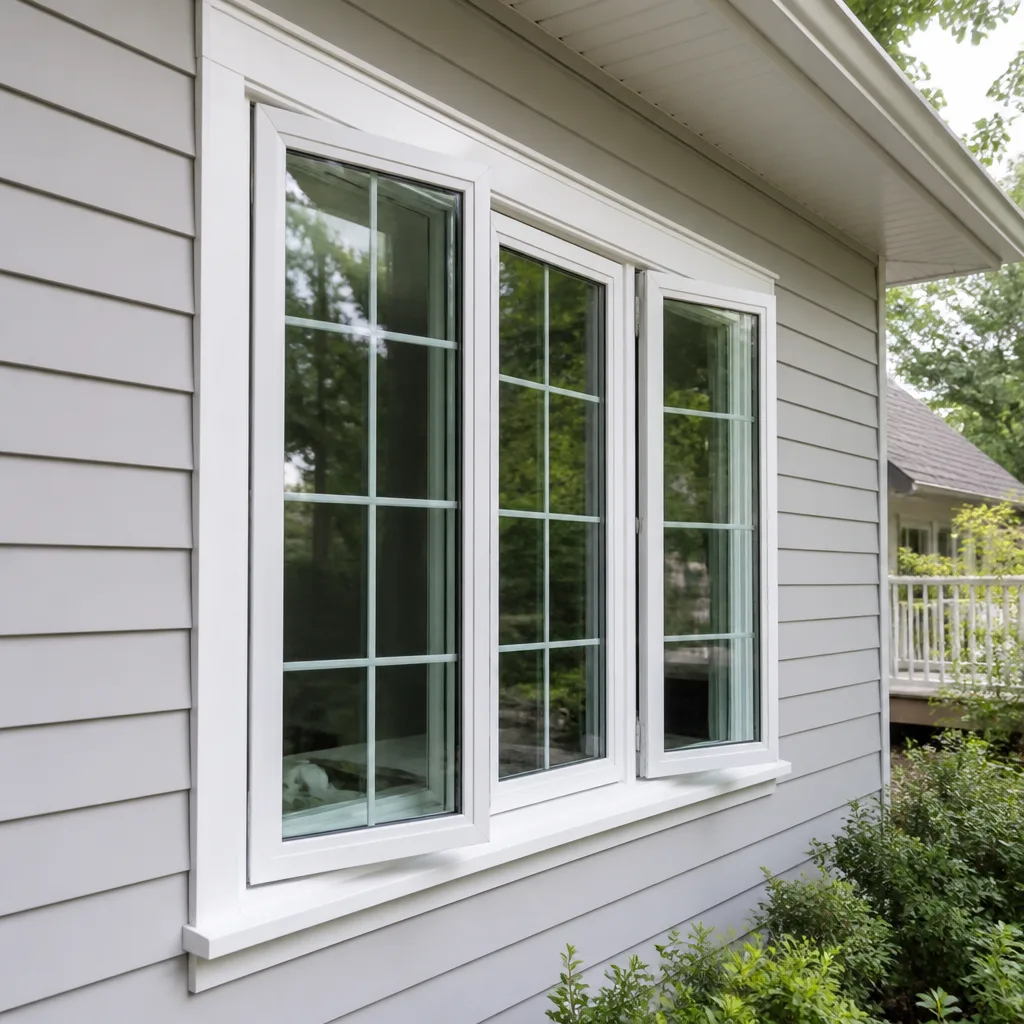
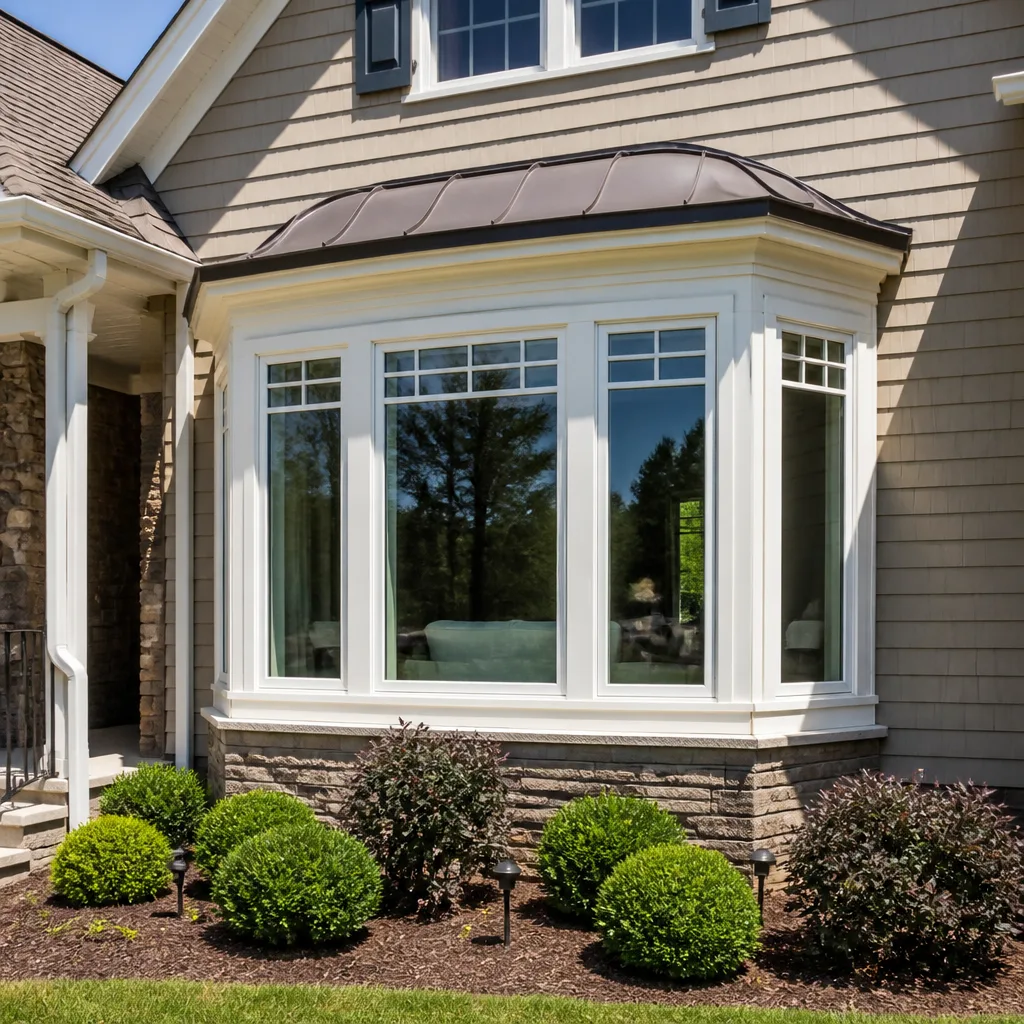
Sliding glass doors
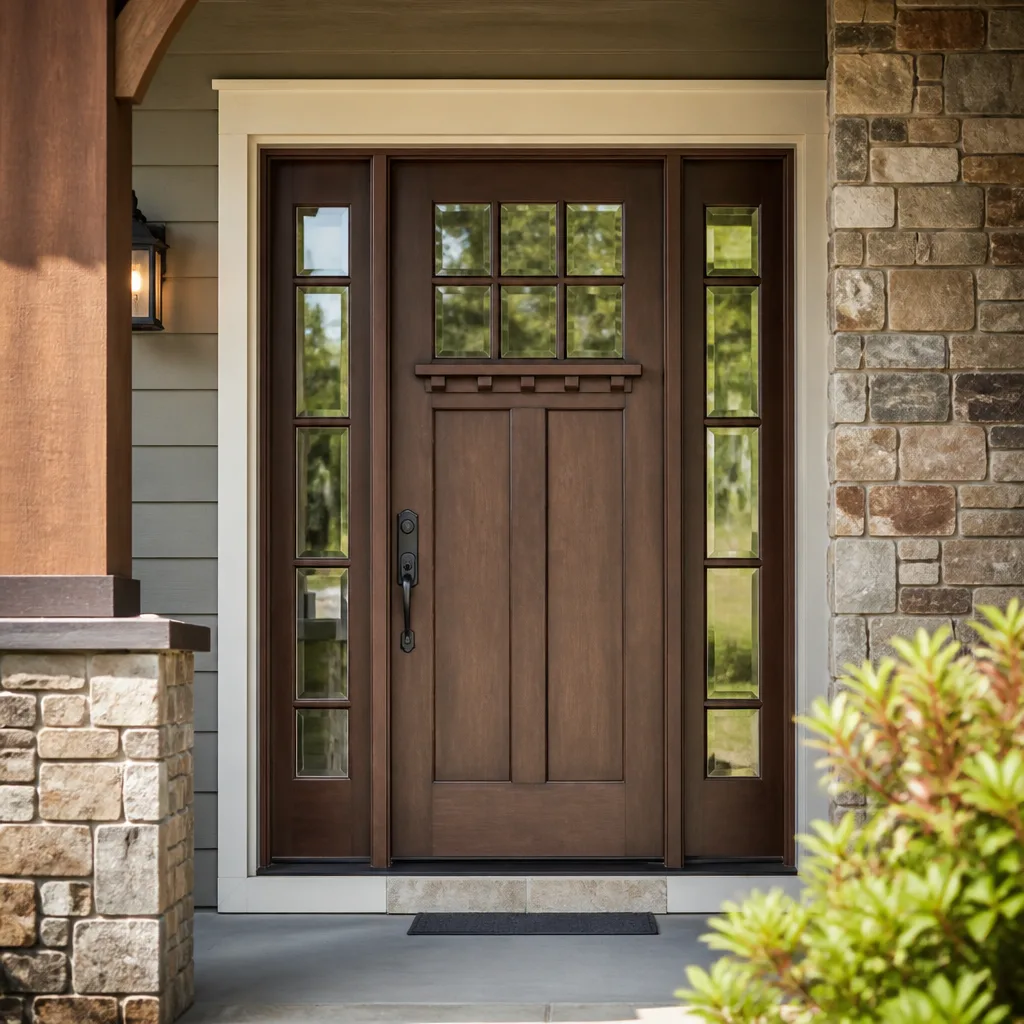
Impact garage doorsPGTCGI
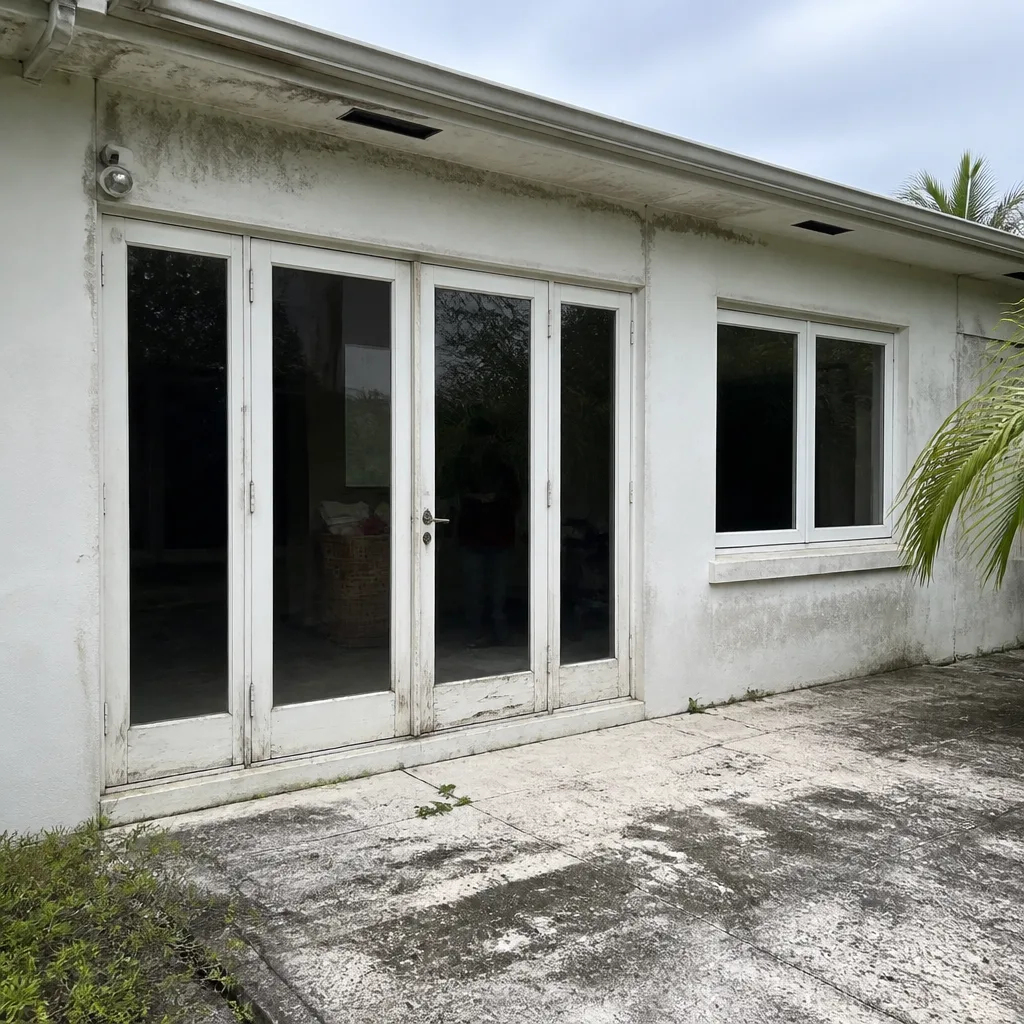 Before
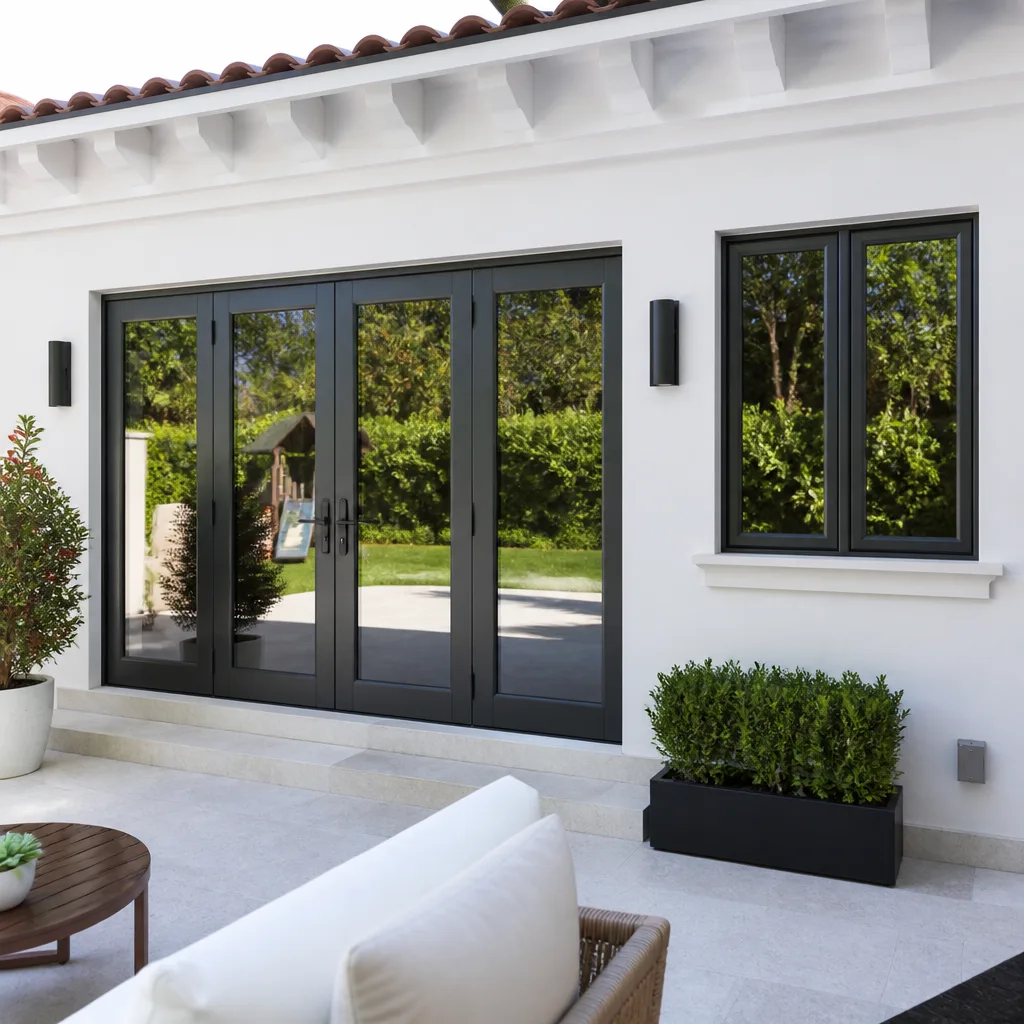 After
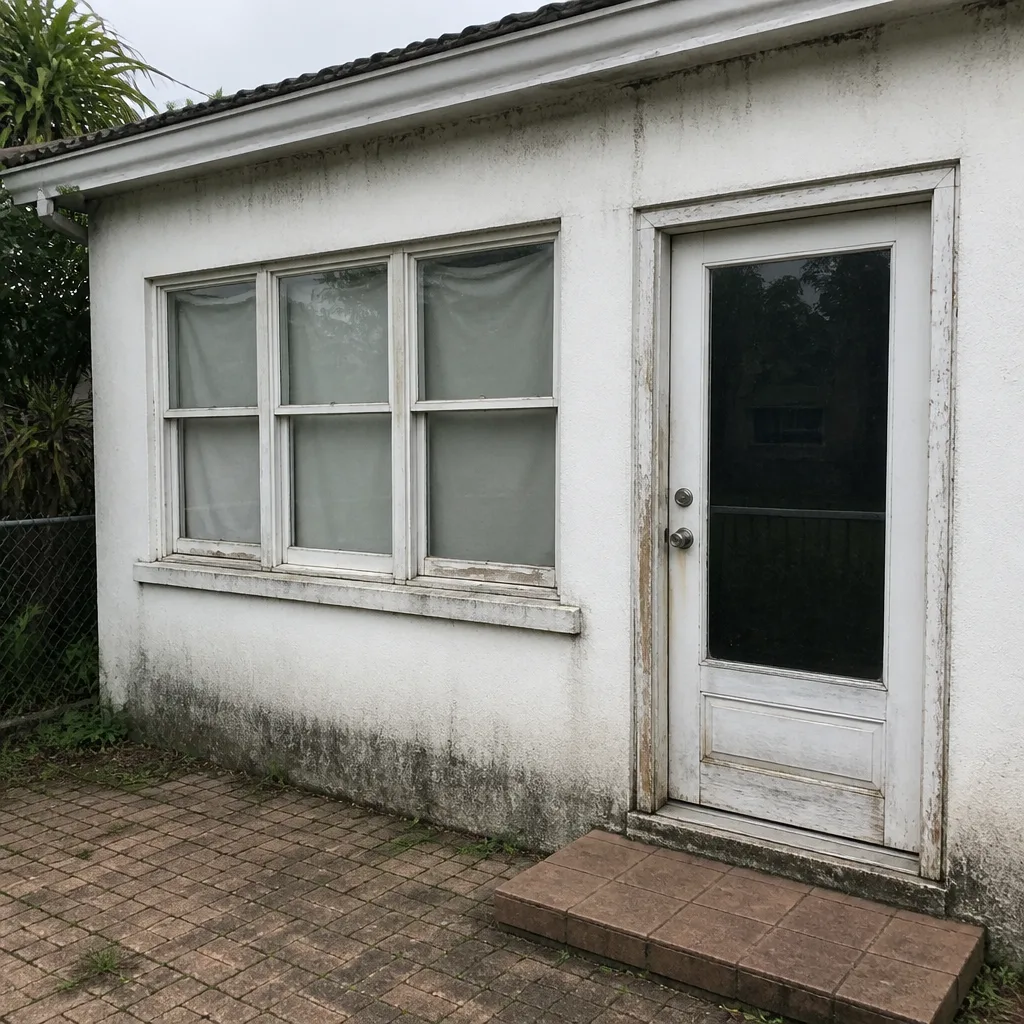 Before
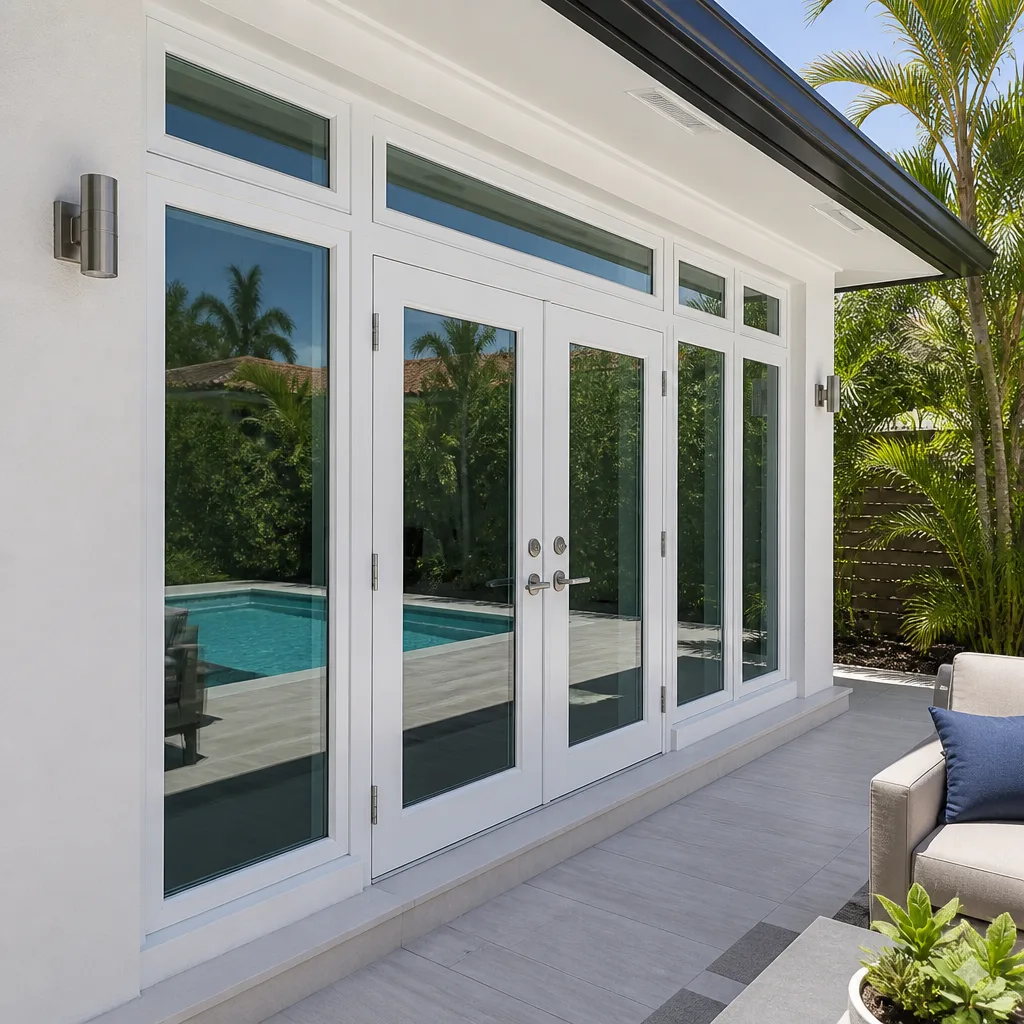 After
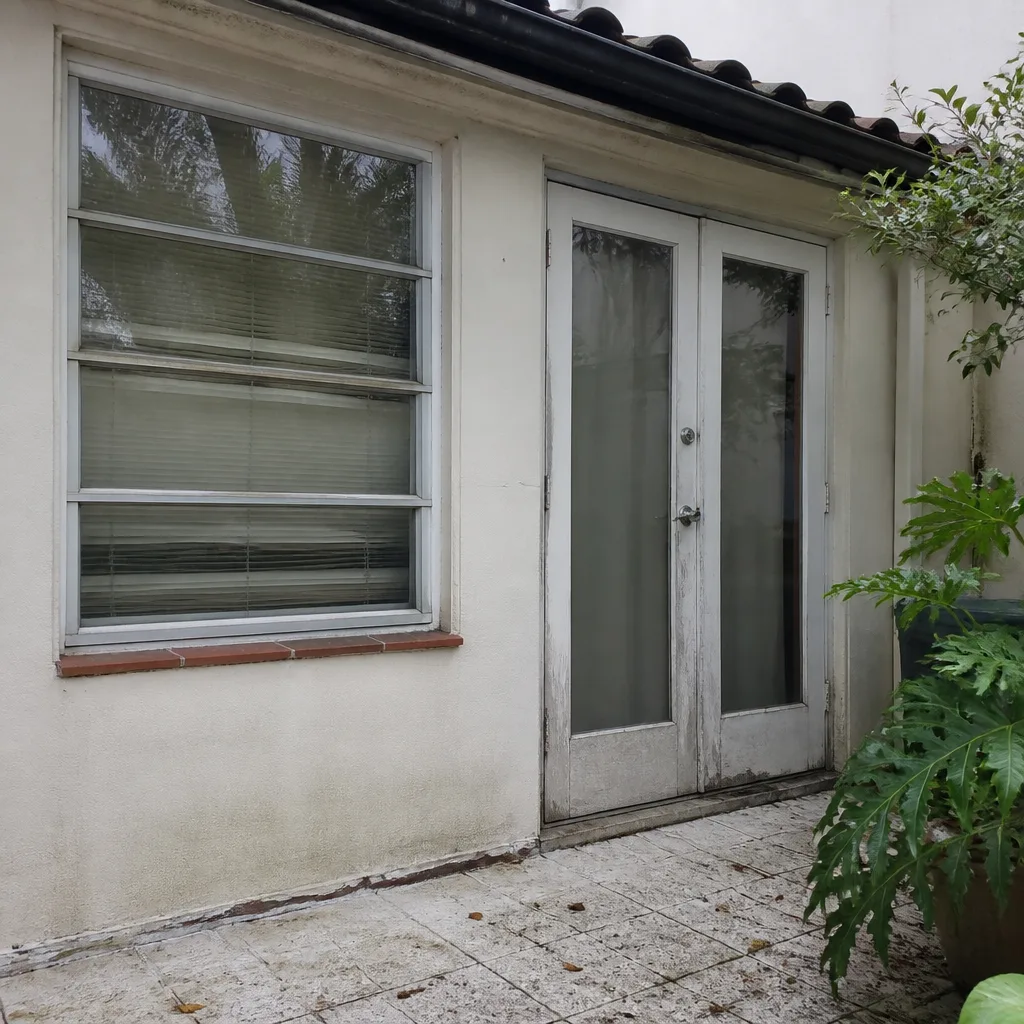 Before
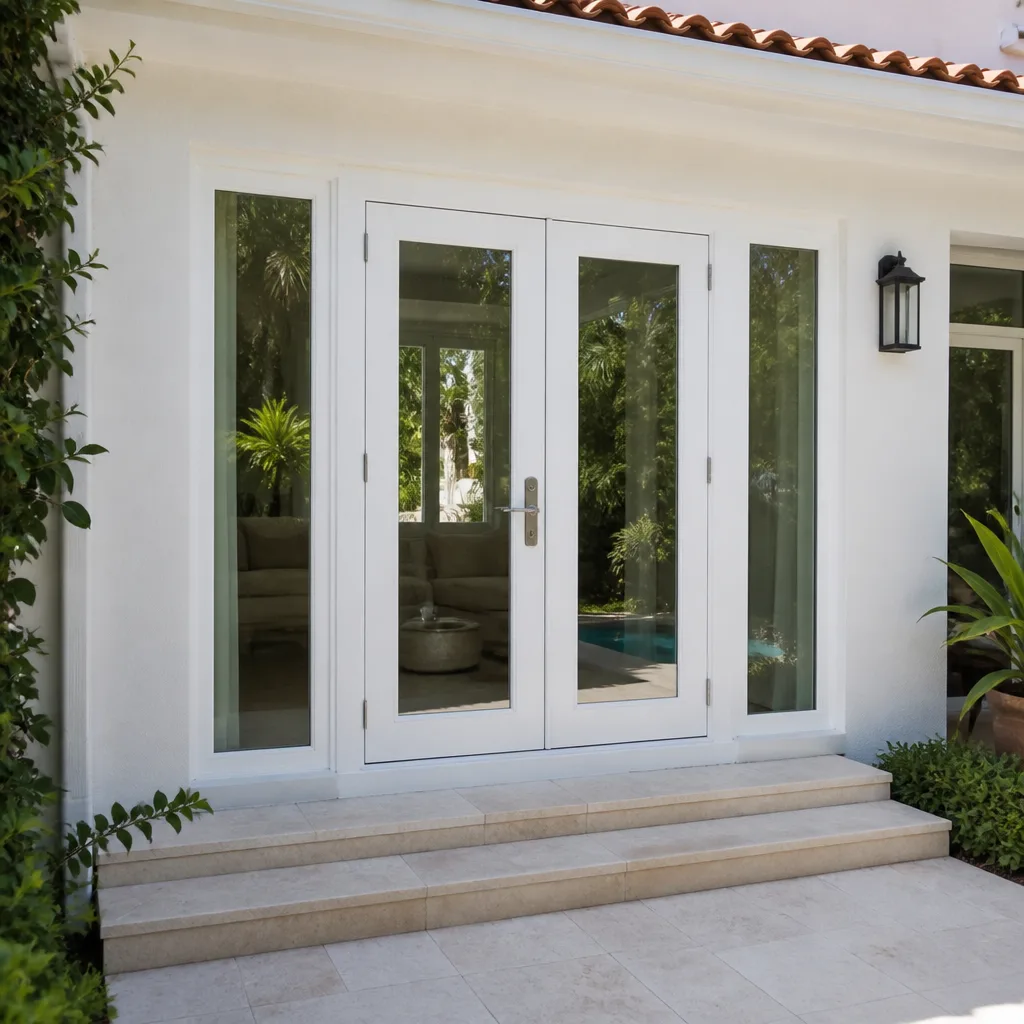 After
Windows & Doors Cost Breakdown: The Miami Beach Homeowner’s Reference for 2026
Most Miami Beach homeowners replace windows exactly once in the life of their house, and the deciding factor is rarely the sticker price. It’s the fear of paying twice: a sealed unit that fogs in eighteen months, a sliding door that binds in July humidity, a contractor whose warranty turns out to be a phone number that no longer rings. This guide breaks down what windows and doors actually cost in Miami Beach in 2026, where the money goes, what the Florida Building Code demands, and which decisions protect the value of a coastal home. By the end, you’ll know the real price range for your project and what questions separate a thirty-year install from a five-year regret.
Quick Answer
A full window and door replacement in Miami Beach runs $18,000 to $55,000 for the average single-family home, with mid-range impact-rated vinyl windows at $650 to $1,100 per opening installed and hurricane-rated sliding glass doors at $3,500 to $8,500 each. Material cost is roughly 55 to 65 percent of the total; installation, permitting, and code compliance carry the rest. The single biggest variable is whether the opening requires impact-rated glass, which Miami-Dade County building code mandates for most coastal properties, and that requirement alone adds 30 to 50 percent over standard insulated units. Get three quotes on the same manufacturer lines, in writing, and hold every installer to the same warranty registration standard.
Table of Contents
- Average Window & Door Costs in Miami Beach for 2026
- What Actually Drives the Price: Materials, Impact Rating, and Labor
- Impact Windows vs. Standard: The Real Cost Difference
- Frame Material Price Guide: Vinyl vs. Aluminum vs. Wood vs. Composite
- Door Costs: Entry, Sliding, French, and Impact-Rated
- Permits and Miami-Dade Code Compliance: What You Must Pay For
- Energy Efficiency and ROI: The Miami Beach Climate Math
- Installation Labor Costs: What Fair Pricing Looks Like
- Common Mistakes to Avoid
- When to Call a Professional
- Frequently Asked Questions
- The Bottom Line
Average Window & Door Costs in Miami Beach for 2026
Here’s the straight answer, because most contractors talk around it. The numbers below reflect what we see on real jobs in Miami Beach, from South Beach condos to single-family homes in North Beach and the Venetian Islands. Labor rates reflect local market conditions in spring 2026, not national averages.
Typical Window Replacement Costs, Installed
- Standard insulated vinyl window, single-hung: $450 to $750 per opening
- Impact-rated vinyl window, single-hung: $700 to $1,100 per opening
- Impact-rated aluminum window, fixed or casement: $800 to $1,400 per opening
- Impact-rated wood-clad window (Pella, Marvin): $1,200 to $2,200 per opening
- Custom architectural window, oversized or shaped: $1,800 to $4,500 per opening
Typical Door Costs, Installed
- Standard fiberglass entry door: $1,800 to $3,200
- Impact-rated entry door with frame: $3,000 to $5,500
- Sliding glass patio door, standard: $1,700 to $3,200
- Impact-rated sliding glass door: $3,500 to $8,500 depending on width and glass package
- French doors, impact-rated pair: $4,000 to $9,000 installed
For a 2,000-square-foot Miami Beach home with 12 to 15 window openings and two exterior doors, a complete impact-rated replacement typically lands between $22,000 and $45,000. Smaller condos with four to six openings run $6,000 to $12,000. These are honest ranges for 2026, before any seasonal promotions or senior discounts apply.
One factor unique to Miami Beach: many homes are older, with non-standard rough openings. A 1960s mid-century house on the water often has window frames sized before hurricane code existed, and retrofitting those openings to accept modern impact units adds $150 to $400 per window in reframing and stucco work. That’s not a markup. That’s what the substrate actually requires, and any quote that doesn’t mention it is either doing a shortcut or hasn’t looked at the wall yet.
What Actually Drives the Price: Materials, Impact Rating, and Labor
Window and door pricing looks opaque because three separate cost layers sit on top of each other, and each one moves independently. Once you know the layers, every quote you read starts making sense.
Layer one: the frame and glass package. This is the manufacturer price. It varies by frame material (vinyl, aluminum, wood, composite), glass type (single-pane, double-pane, low-E coated, impact-laminated), and gas fill (argon or krypton). Manufacturer lines vary widely: PGT impact units often price below similar Simonton or Jeld-Wen impact lines for comparable ratings, while Ply Gem sits in the mid-range and Marvin commands a premium because of its finish quality and hardware. The brand name on the sticker matters less than the performance ratings, but brand does influence long-term parts availability, and that matters on a coastal property where a broken sash five years from now needs a manufacturer that still supports the line.
Layer two: impact rating. In Miami Beach, the Florida Building Code requires impact-resistant glazing or shutters on most residential structures within one mile of the coast and on all new construction, period. Impact-rated glass uses a laminated interlayer, similar to a car windshield, sandwiched between two panes. That interlayer is the reason impact windows cost 30 to 50 percent more than standard insulated units. It is not optional, it is not a dealer markup, and it is the difference between a window that holds against windborne debris and one that fails when a roof tile comes through it at 130 miles per hour.
Layer three: labor and installation. This is where quotes diverge fastest. Setting a window properly in a concrete-block or CBS frame requires flashing, shimming, securing, and sealing every opening to Miami-Dade wind load requirements. Cutting corners on labor saves maybe $80 per window and voids the warranty with most manufacturers. The labor cost per window in Miami Beach in 2026 runs $180 to $350 for a straight replacement, $300 to $600 for a retrofit that requires new framing, and $500 to $900 for a full tear-out with interior trim and stucco restoration. When a quote looks too low, the labor is where the corners got cut.
Impact Windows vs. Standard: The Real Cost Difference
Here’s the number Miami Beach homeowners actually ask us about. A standard insulated vinyl double-hung runs $450 to $750 installed. The same window in an impact-rated version runs $700 to $1,100. That gap, roughly $250 to $350 per opening, buys a laminated glass interlayer and a heavier frame rated to hold it. It is not a premium feature. It is building code for most of Miami Beach.
The question isn’t whether impact windows cost more. They do. The question is what the alternative costs. Standard windows in a coastal home require shutters or panels to meet code, and shutters on a 15-window home run $6,000 to $15,000 installed, plus the annual ritual of hauling panels in and out of a garage. Impact windows do the same job passively: no installation before a storm, no storage, no insurance form listing shutter credits. Most Miami Beach homeowners we talk to recoup the difference through insurance premium reductions alone. Wind mitigation credits on the Florida insurance inspection form typically reduce annual premiums by $600 to $2,400 depending on the carrier and the home’s other features. Over a 10-year window, that’s real money back.
One more consideration specific to Miami Beach. The salt air on barrier island properties attacks hardware faster than inland homes. Impact-rated windows and doors come with stainless steel or marine-grade hardware as standard on better lines. Standard windows often come with zinc-plated hardware that corrodes within five years of salt exposure. On a home within a quarter mile of the ocean, the durability argument for impact units is as strong as the code argument.
Frame Material Price Guide: Vinyl vs. Aluminum vs. Wood vs. Composite
Frame material is the first decision most homeowners make, and it’s the easiest one to get wrong when a salesperson frames the discussion as budget vs. premium. The reality in Miami Beach is more specific: the right frame depends on building structure, exposure, and the window’s function.
Vinyl (PVC)
Vinyl frames account for roughly 60 percent of the replacement windows we install in Miami Beach. They’re thermally efficient, they never need painting, and they resist salt corrosion better than aluminum. Cost runs $450 to $1,100 installed per window depending on impact rating. The weakness of vinyl is structural: in wide openings, vinyl frames flex, which is why you rarely see vinyl in sliding door openings wider than 72 inches without steel reinforcement. For most single-hung, casement, and fixed openings, vinyl delivers the best performance per dollar.
Aluminum
Aluminum frames dominate high-rise and mid-rise condo work in Miami Beach because they are structurally rigid and hold large glass panels without deflection. Cost runs $800 to $1,400 per opening for impact-rated units. The trade-off is thermal transfer: aluminum conducts heat, which means a bare aluminum frame in direct sun will sweat on the interior in our humidity. Quality aluminum lines include a thermal break to reduce this, and that thermal break is worth paying for. In our experience, unbroken aluminum on a west-facing South Beach wall is the most common cause of interior condensation complaints we see.
Wood and Wood-Clad
Wood windows, typically wood-clad with aluminum or vinyl on the exterior, carry the highest material cost: $1,100 to $2,500 installed per opening. They exist for one reason in Miami Beach: historic character. The Art Deco and Mediterranean Revival homes that define parts of the city have window proportions and mullion profiles that vinyl and aluminum don’t recreate faithfully. Marvin and Pella both make impact-rated wood-clad lines that pass Miami-Dade code. They cost twice what vinyl costs and they require maintenance, but for a historic district property, they are sometimes the only option that clears the design review board.
Composite and Fiberglass
Composite frames, made from blended wood fiber and polymer, sit between vinyl and wood in price, roughly $800 to $1,600 installed per opening. They offer better rigidity than vinyl and better thermal performance than aluminum. They’re a smaller share of the Miami Beach market, mostly because the installer base is thinner and parts availability is more limited than for the major vinyl and aluminum lines. When we do recommend composite, it’s for specific problem openings: large fixed picture windows, second-story applications where heat and wind load both run high, or replacement of rotted wood frames where the owner wants the look of painted wood without the maintenance.
Door Costs: Entry, Sliding, French, and Impact-Rated
Doors carry more cost pressure per square foot than windows because they move. A door is a mechanical system with hinges, rollers, locks, weatherstripping, and a threshold, and every moving part is a potential failure point in salt air. Here’s what Miami Beach homeowners should expect to pay in 2026.
Entry doors. A basic steel or fiberglass entry door runs $900 to $1,800 for the slab alone. Installed with a new frame, threshold, and hardware, expect $1,800 to $3,200. An impact-rated entry door, which Miami Beach code requires on most exterior openings, runs $3,000 to $5,500 installed. The jump comes from the reinforced frame, the laminated glass or solid-core construction, and the multi-point locking hardware rated for wind pressure. On the water, we strongly recommend stainless hardware. Zinc hardware on an ocean-facing entry door lasts about three years before the latch corrodes and the deadbolt starts binding.
Sliding glass doors. Sliding doors are the single most common replacement door type in Miami Beach, and the price range is wider than most homeowners expect. A standard two-panel, 6-foot slider runs $1,700 to $3,200 installed. The impact-rated version runs $3,500 to $5,500 for a 6-foot unit, $5,000 to $8,500 for an 8-foot or wider unit, and $7,000 to $12,000 for a corner or multi-slide configuration. The rollers, track, and frame on impact sliders are rated to carry the laminated glass weight, which is roughly double the weight of standard tempered glass. Undersized rollers on an impact slider are a failure we see on cut-rate installs: the door works on day one and starts grinding by month nine.
French doors. Impact-rated French door pairs run $4,000 to $9,000 installed. The cost driver is the hardware: active and passive leaf multi-point locks, flush bolts, and astragal seals rated to Miami-Dade wind pressure. French doors on a water-facing elevation should be specified with stainless hardware and an operable impact-rated transom or side lite assembly if these are part of the opening. A common cost surprise is the header retrofit: older French door openings often lack a reinforced lintel, and bringing the opening into code adds $800 to $2,000 in structural work before the door ever arrives.
Permits and Miami-Dade Code Compliance: What You Must Pay For
Permitting is the part of the estimate that frustrates homeowners most, so let’s be clear about why it exists and what it costs. Miami-Dade County has the strictest wind load requirements in the United States, and the City of Miami Beach enforces them through a permit and inspection process that no reputable installer skips. Any contractor who offers to install windows or doors without a permit is telling you something important about how they run a job.
Here’s what a legitimate permit package adds to a window and door project in Miami Beach:
- Permit fees: $300 to $800 for a typical single-family window and door package, based on job valuation. The city reviews the package for compliance with the Florida Building Code and local zoning requirements.
- Product approvals: Every window and door installed in Miami Beach must carry a Notice of Acceptance (NOA) from Miami-Dade County. This is a product-specific engineering certification. Not every product sold in Florida carries a Miami-Dade NOA, and non-approved products will fail permitting. Legitimate installers pull product approvals before quoting so there are no surprises.
- Inspection fees: $150 to $400, built into the permit cost in most cases. The city sends an inspector to verify proper installation and anchoring after the rough stage and again at final.
- Engineering, when required: $500 to $2,000 for openings where structural modification is needed, such as widening a rough opening, replacing a lintel, or adding a mullion for a larger window.
The total compliance line on a Miami Beach window and door project runs $1,000 to $3,000 depending on scope. It is not optional. It is the legal minimum for work that withstands a Category 4 storm, and skipping it puts the homeowner’s insurance policy on the line. A permitted job with passed inspections is a defensible claim; an unpermitted job is grounds for denial after a storm.
Energy Efficiency and ROI: The Miami Beach Climate Math
Miami Beach sits in the tropics, and the energy math here is different from the rest of the country. We do not pay for heating. We pay for cooling, and we pay for it nine months out of the year. The U.S. Department of Energy national average says windows account for 25 to 30 percent of residential heating and cooling energy use. In Miami Beach, where air conditioning runs 3,000 to 4,000 hours annually, the cooling share is proportionally higher.
What does that mean in dollars? A 2,000-square-foot Miami Beach home with single-pane or early double-pane windows from the 1980s or 1990s typically spends $4,200 to $6,000 per year on electricity. Replacing those windows with modern impact-rated, low-E, argon-filled units typically reduces the cooling load by 18 to 28 percent, which translates to $800 to $1,700 per year in lower electric bills depending on the home’s insulation, shading, and AC system age.
Low-E coating choice matters specifically in our climate. There are two common types: hard-coat low-E, which blocks less solar heat but allows more natural light and is common in northern climates, and soft-coat low-E, which reflects more infrared heat and is the correct choice for Miami Beach’s south-facing and west-facing elevations. The wrong low-E on a west-facing wall in Miami Beach means a room that never cools below 78 degrees in August. The right glass package means a room that holds 74 on the same day.
Beyond energy, the ROI conversation in Miami Beach includes two other line items. First, insurance premium reduction through wind mitigation credits, which we addressed above. Second, resale value: impact-rated windows and doors are now a standard expectation for coastal buyers, and listings that mention “full impact glass” consistently sell faster and command higher per-square-foot prices in Miami Beach’s market. The return on replacement windows is not a single number. It’s the sum of energy savings, insurance credits, and the avoided cost of replacing a failed cut-rate install in year eight.
Installation Labor Costs: What Fair Pricing Looks Like
Labor is the line item where honest installers and opportunists separate. Here’s what fair labor pricing looks like on Miami Beach window and door work in 2026, and what it buys.
A straight replacement window, where the rough opening is sound, the frame is intact, and the new unit drops into the existing hole with standard shims and flashing, should carry $180 to $350 in labor per opening. That price includes removal of the old unit, debris hauling, installation, waterproofing, interior and exterior trim where standard, and a site cleanup pass. A good crew does four to six of these in a day.
A retrofit installation, where the rough opening needs reframing, repair, or resizing, carries $300 to $600 per opening in labor. On older Miami Beach homes, this is the more honest starting assumption. Water intrusion around old window frames is common, and a rotted sill or buck needs replacement before the new unit goes in. A contractor who quotes straight-replacement labor on a 60-year-old opening either hasn’t looked at it or plans to discover the extra work mid-job.
A full tear-out installation, common on stucco-finished concrete block walls where the old window must be removed to the masonry and the flashing system rebuilt, runs $500 to $900 per opening. This is the correct method for most Miami Beach water-facing elevations, where wind-driven rain finds every shortcut. We recommend full tear-outs on oceanfront and bayfront elevations as standard practice. The upgrade cost is modest compared to the cost of interior water damage repairs later.
For doors, labor runs $400 to $900 for a straight slider replacement and $900 to $2,000 for an entry door that requires frame replacement, threshold work, and exterior trim restoration. Impact-rated doors add weight and require more care in setting, so the higher end of these ranges applies.
- Get the labor rate in writing as a separate line. If a quote only shows one combined number, ask for the breakdown. Legitimate installers provide it.
- Verify the crew is installing to manufacturer specs. Most window manufacturers publish installation instructions. The warranty is only valid if installation follows them.
- Ask who handles the permit inspection. If the answer is anything other than “we do,” look elsewhere.
TruePane writes side-by-side quotes with manufacturer lines, material costs, labor, and permitting all separated. A square deal means the homeowner sees exactly what they’re buying. For more on how we approach this, see the TruePane Windows & Doors home page.
Common Mistakes to Avoid
- Buying on price-per-window alone. A $450 installed vinyl window with no impact rating and no permit is not the same product as a $950 impact-rated unit with a Miami-Dade NOA and a passed inspection. The lower price becomes the most expensive decision on the block when the first hurricane watch comes.
- Agreeing to work without a written permit commitment. In Miami Beach, unpermitted window work voids manufacturer warranties on most impact lines and gives the insurance carrier a written reason to deny claims. Get the permit number on the contract.
- Choosing hardware by look rather than material. Ocean air rots zinc-plated hardware in about three years. Stainless steel or marine-grade is not an upgrade on a barrier island; it’s the floor.
- Ignoring the west-facing elevation on glass selection. A standard low-E package on a west wall in Miami Beach means glare and heat through the afternoon. Soft-coat low-E and a lower solar heat gain coefficient are the correct spec for that exposure.
- Replacing windows without addressing the rough openings. Old Miami Beach homes hide water damage behind stucco. A new window set into a rotted buck fails within five years no matter how good the window is.
- Treating the sliding door as an afterthought. The sliding glass door is the largest single opening in a Miami Beach home and the one that fails most often in wind events. It deserves the same attention as every window combined, and its impact rating matters most.
- Skipping the wind mitigation insurance inspection after the job. A new impact-rated window package does nothing for your premium until a certified inspector verifies it and files the form. Many insurers will not apply the credits retroactively. Schedule the inspection before the final check clears.
When to Call a Professional
Window and door replacement is not a DIY project, and in Miami Beach it isn’t even a legitimate weekend-warrior project because the code and inspection requirements make an amateur installation a legal liability to the homeowner. The moment a window shows fog between panes, the seal has failed, and the unit cannot be repaired in place. When a slider sticks, grinds, or resists the lock in summer, the frame or track has shifted or corroded. When a door binds in July humidity, the frame has absorbed moisture or the slab was hung wrong. When stucco cracks radiate from a window corner, water has found a path behind the wall. Any one of these is a call for a professional assessment, not a YouTube tutorial. TruePane Windows & Doors offers free estimates in Miami Beach: call (386) 406-9359, and a live person answers, any hour, any day.
Frequently Asked Questions
A single impact-rated vinyl window in Miami Beach costs $700 to $1,100 installed, and an impact-rated aluminum window runs $800 to $1,400 installed. The price depends on the opening size, the manufacturer line, and whether the rough opening needs reframing. Call (386) 406-9359 for a written, line-item quote on your specific openings; estimates are free.
Yes. Miami-Dade County code requires impact-rated glazing or equivalent protection (shutters or panels) on most residential structures within one mile of the coast, and the City of Miami Beach enforces that code through permitting and inspection. Impact windows also qualify for wind mitigation insurance credits that standard windows do not.
The average single-family home in Miami Beach pays $18,000 to $55,000 for a complete impact-rated window and door package, with most homes landing in the $22,000 to $45,000 range. Condos with four to six openings typically run $6,000 to $12,000. The range is wide because home size, existing conditions, and elevation all move the number.
A straight replacement of ten to fifteen windows and two doors in a Miami Beach home takes one to three working days for installation after the products arrive. Custom orders take four to ten weeks for manufacturing depending on the line. Permitting typically runs one to three weeks before installation begins.
It should not, provided the contractor measured correctly and documented the rough opening conditions before quoting. At TruePane, we measure every opening twice, write the scope in the contract, and hold the price. The only legitimate reason for a change order is hidden structural damage discovered after the old window comes out, something no one can see behind stucco until the opening is exposed. If that happens, we show the homeowner the condition before any additional work is done. No surprise line items.
It depends on the failure. Fogged sealed units, cracked glass, failed hardware, and rotted frames are repairable in many cases without replacing the entire window. But where the frame is compromised, the rough opening is water-damaged, or the original window is not impact-rated, repair becomes a stopgap and replacement is the right long-term call. An honest assessment tells you which one you need rather than selling you the bigger job. We do both, so the answer never depends on what we’d rather sell.
The Bottom Line
Miami Beach window and door prices in 2026 are set by code, coastal conditions, and craft, in that order. Impact-rated replacements on a single-family home run $18,000 to $55,000, with material, labor, and permitting each claiming a predictable share. The cheapest bid is almost always cheap because it skips a layer, and the skipped layer is never the one the homeowners wanted to lose. Get the product approvals on paper, register both warranty layers in writing, pull the permit, and hold the installer to the standard that the work stays done. If the pane is not true, the job is not done. We stand behind it.
Written by the team at TruePane Windows & Doors.
Six Reasons Homeowners Choose TruePane Windows & Doors
Impact systems engineered to design pressures up to +/-100, matched to your wind zone - your openings hold when the storm arrives.
Low-E insulated impact glass from our manufacturer lines commonly cuts monthly cooling bills 20-30%.
Laminated impact glass shuts out up to 40% of outside noise - traffic, neighbors, weather.
Monitoring services run $30-90 a month. Laminated impact glass resists forced entry around the clock, with no subscription.
Florida homeowners average around 25% savings on the windstorm portion of their policy after protecting every opening - some homes qualify for more.
A full impact package upgrades curb appeal, buyer confidence and appraised value in one project.