
Last updated August 27, 2026
Free in-home measure and quote - PGT, CGI and CWS impact lines compared on your actual openings, style by style
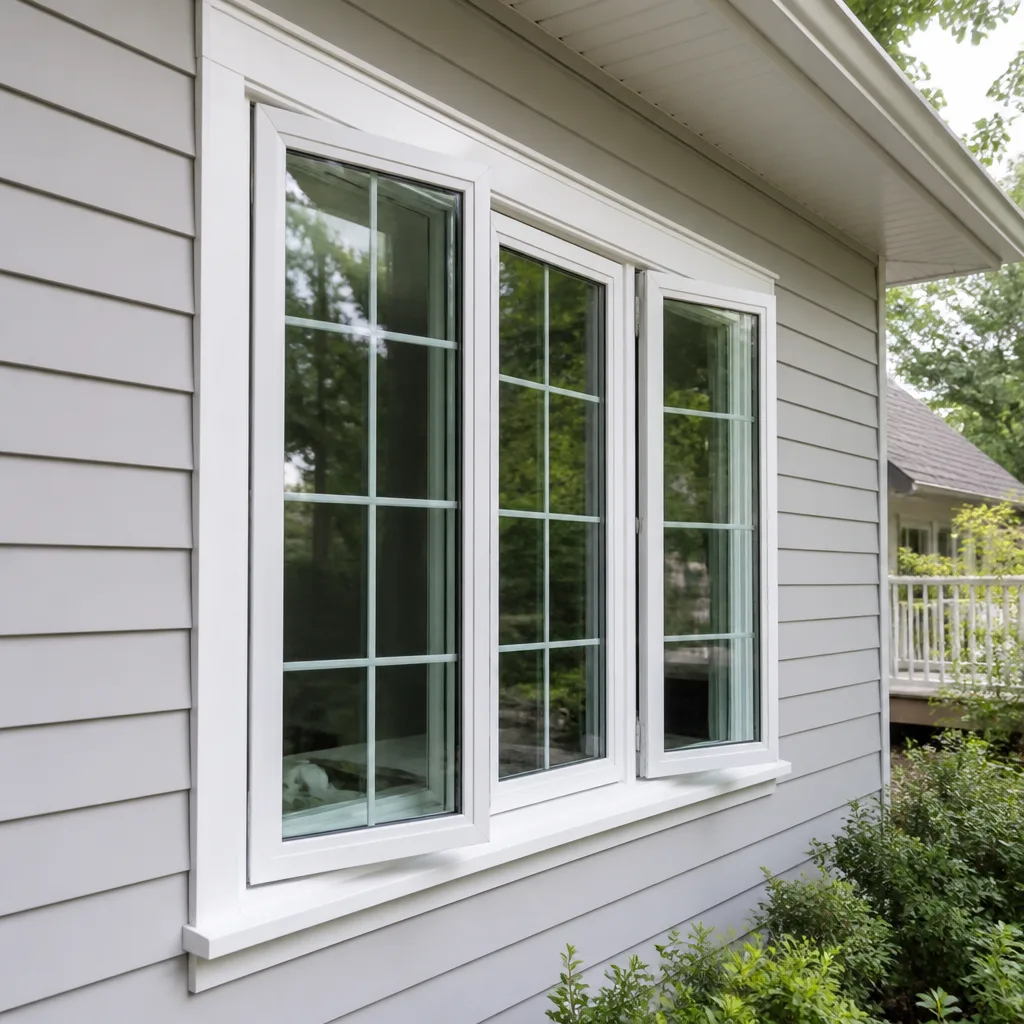
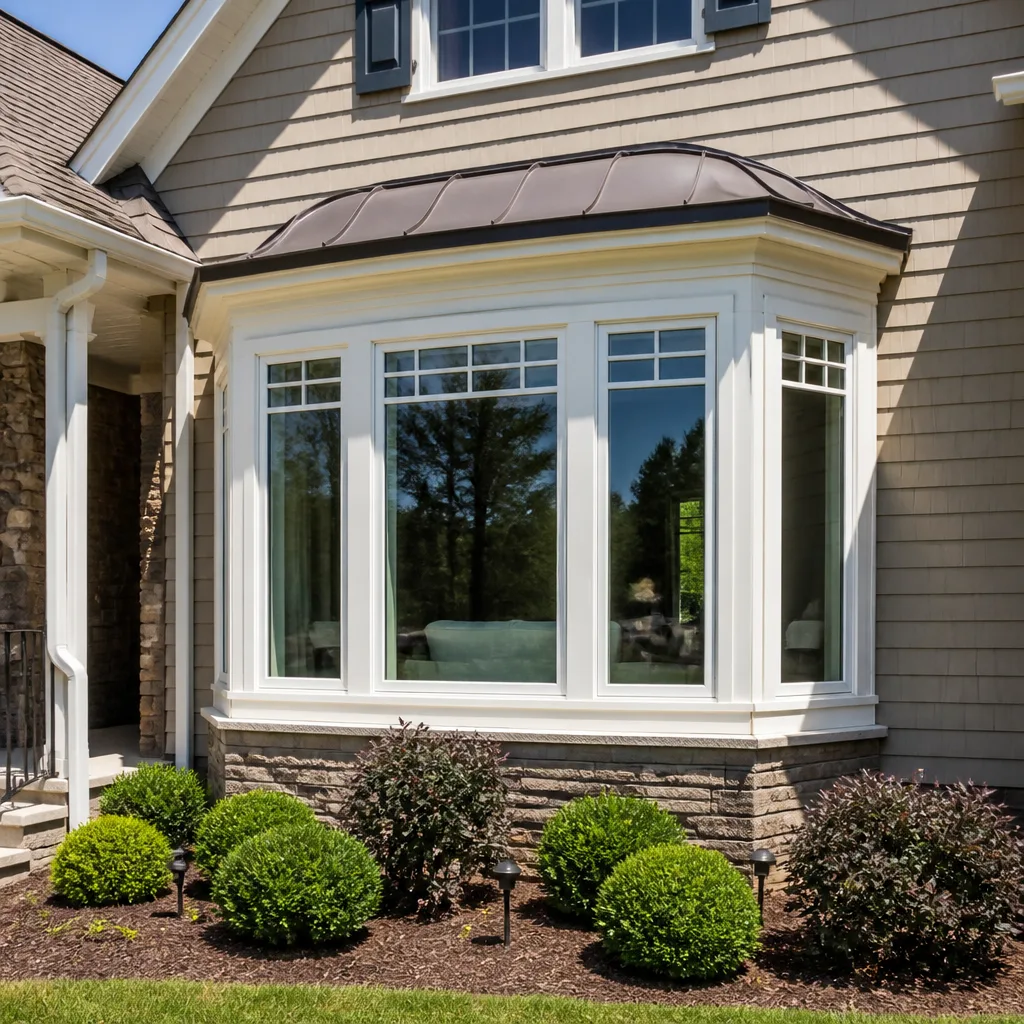
Sliding glass doors
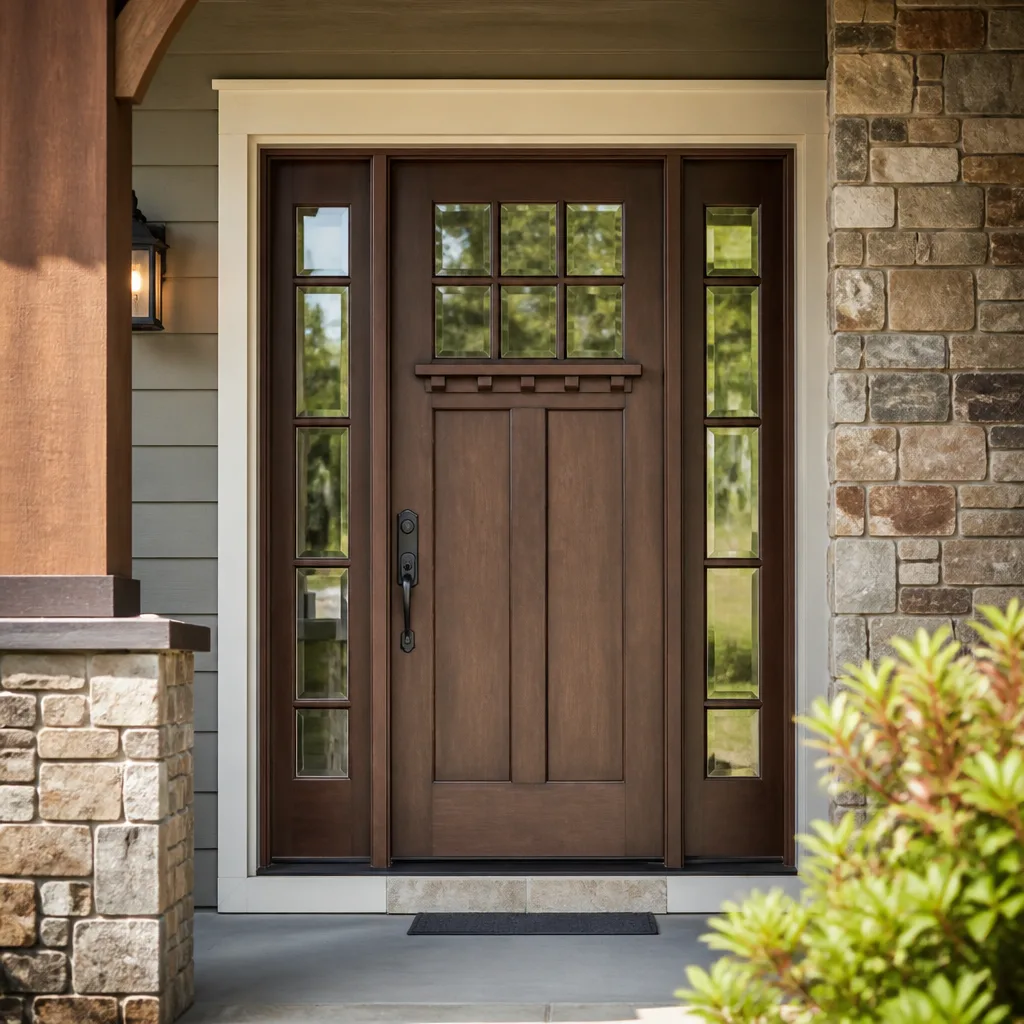
Impact garage doorsPGTCGI
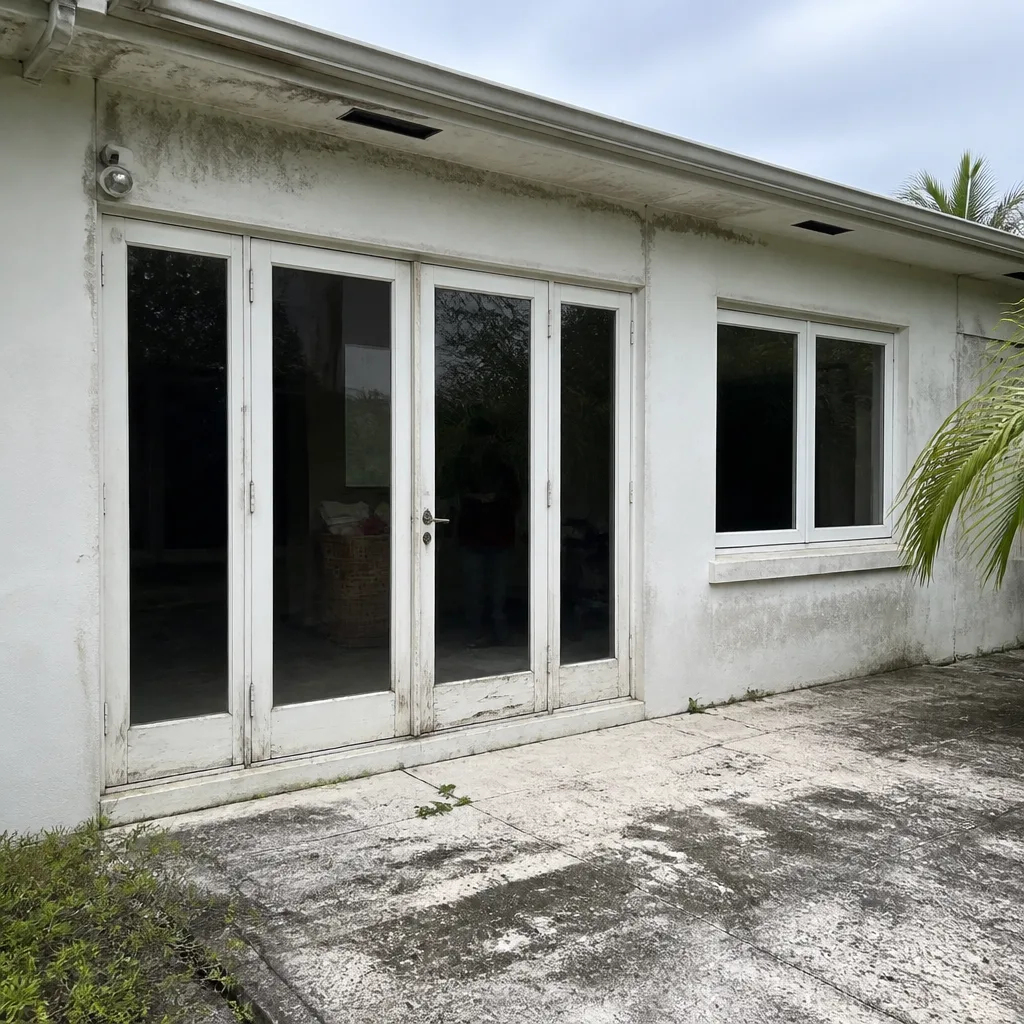 Before
 After
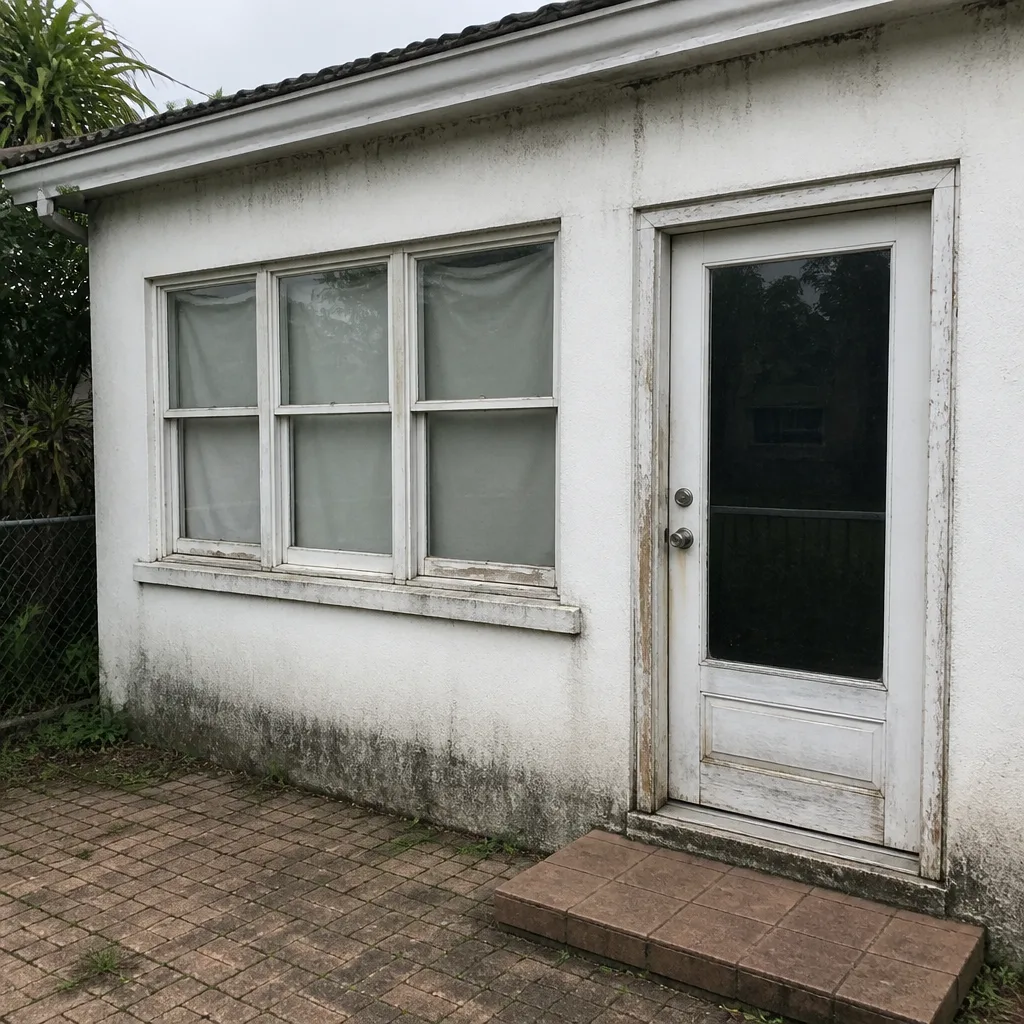 Before
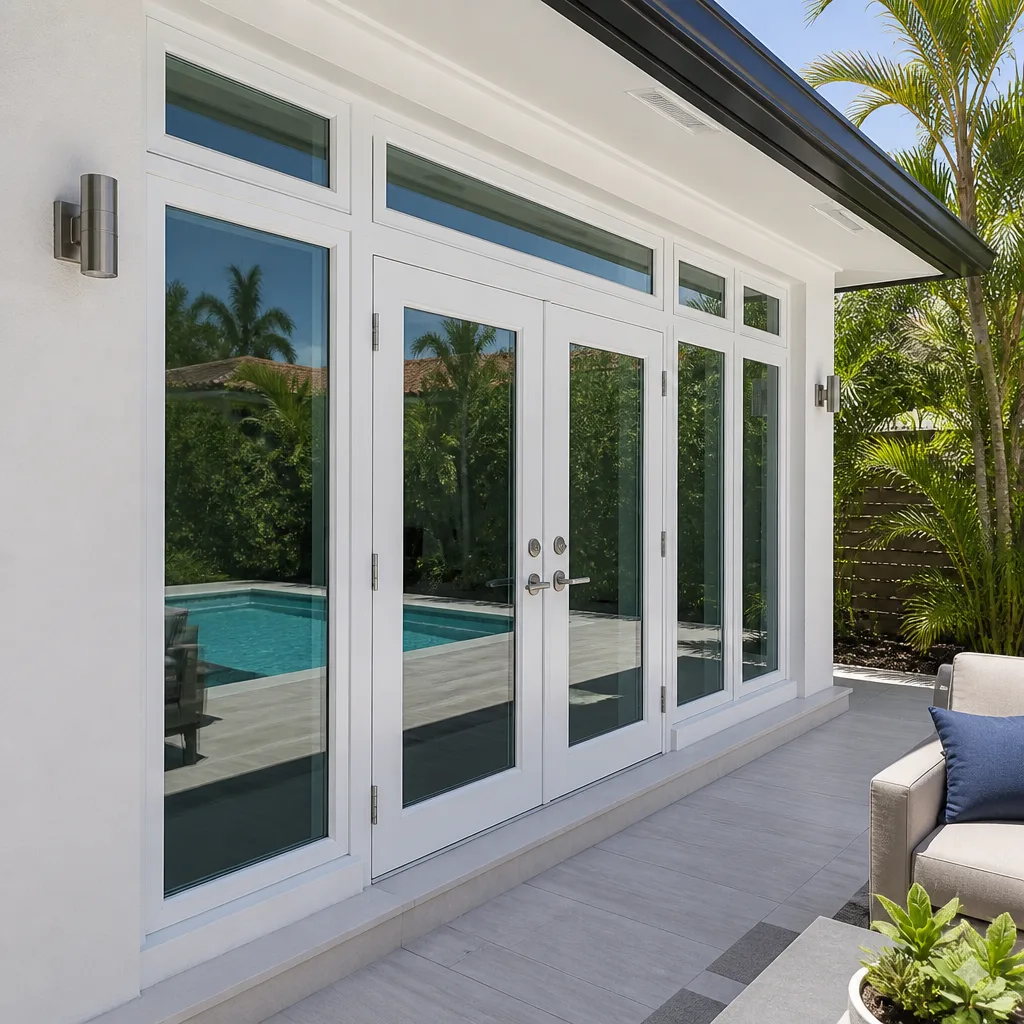 After
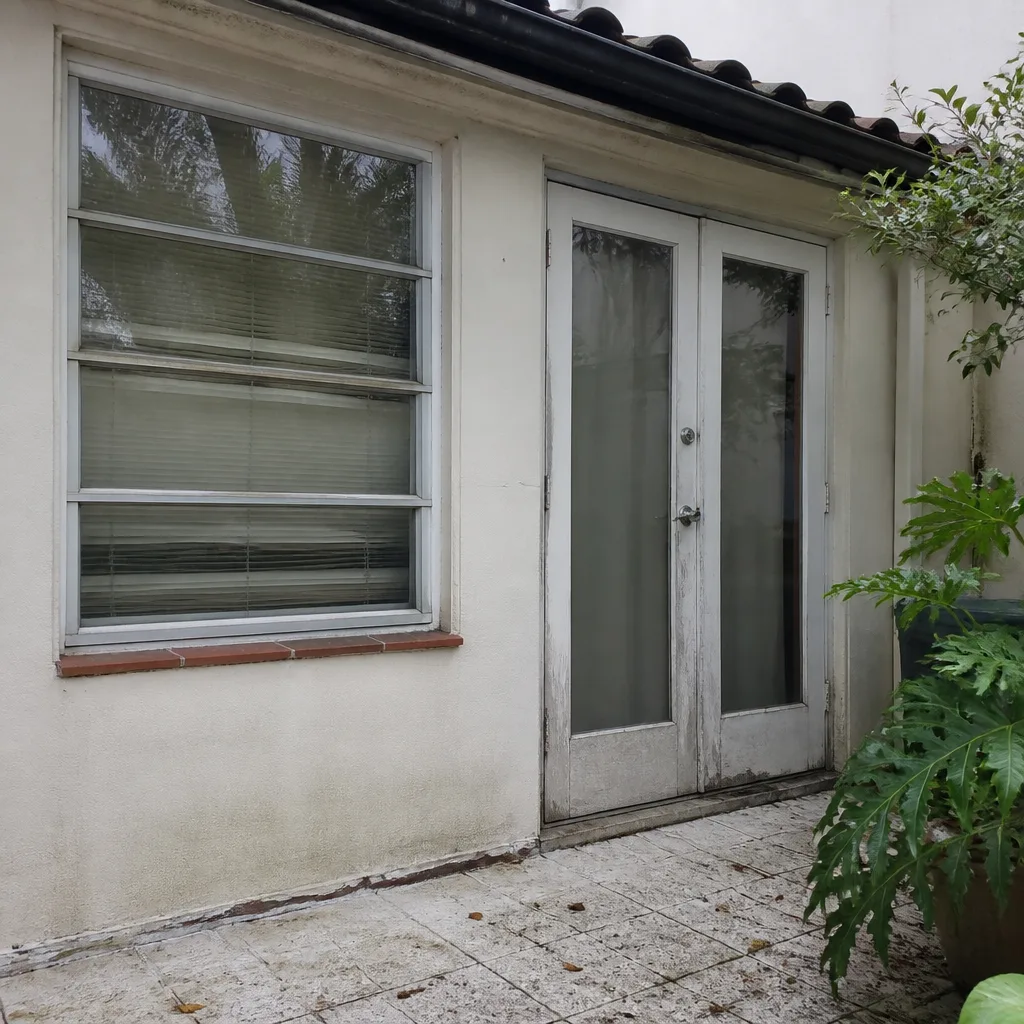 Before
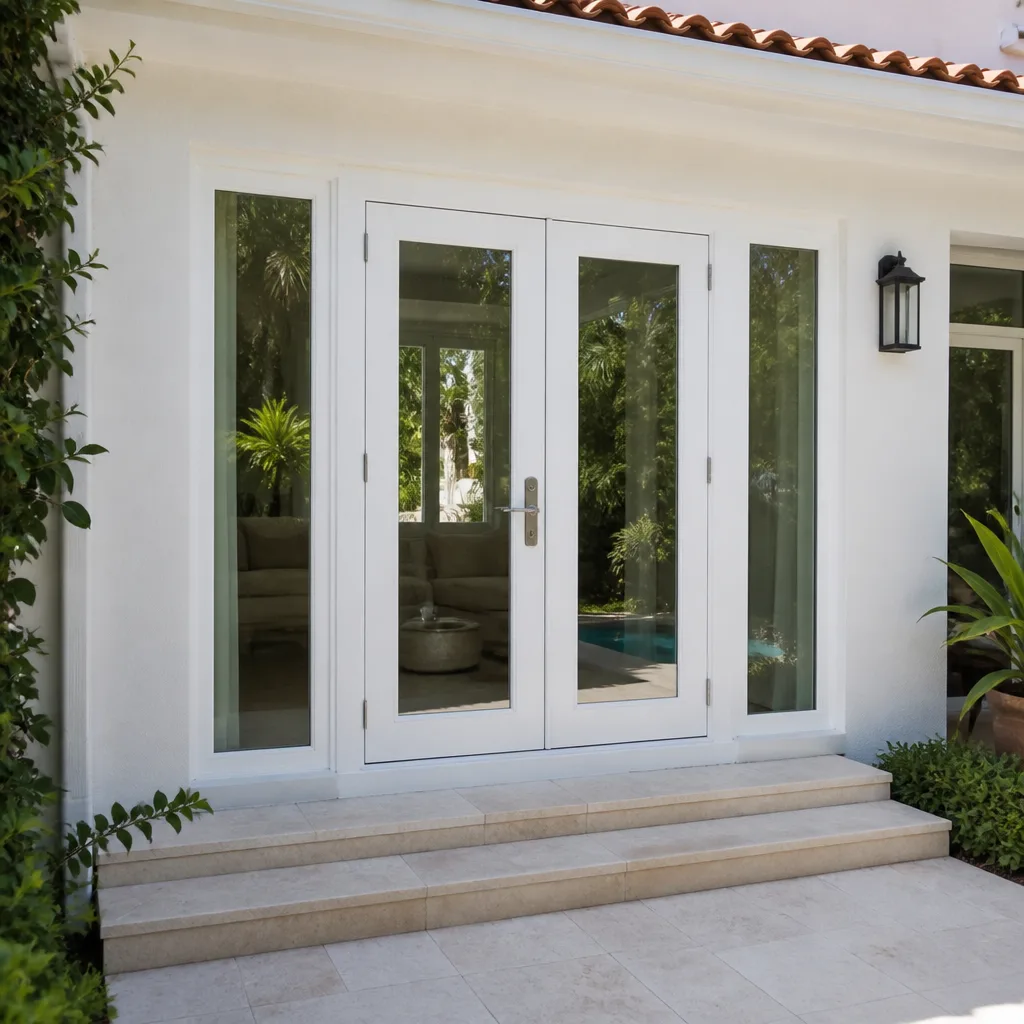 After
Seasonal Windows & Doors Care for Miami Beach: Year-Round Homeowner’s Guide
Most Miami Beach homeowners assume salt air is the enemy of windows and doors. It is not. The real enemy is the combination of salt, UV exposure, and the building movement caused by Miami Beach’s limate shifting between wet and dry seasons. A window that seals fine in February swells and binds by August. A door that closes square in November scrapes the jamb in June. This guide explains what actually happens to windows and doors in Miami Beach through the year, what to check each season, what you can handle yourself, and where a trained glazier saves you from an expensive mistake. You will also learn why most window failures here start with installation, not age.
Quick Answer
Windows and doors in Miami Beach need seasonal attention because humidity swings, salt deposition, and intense UV exposure stress seals, tracks, and finishes year-round. The core maintenance is simple: clean tracks and weep holes quarterly, inspect caulking and weatherstripping in spring and fall, lubricate rollers and hinges twice a year, and check for fogged glass or binding doors monthly during the wet season. Budget roughly $150 to $300 per year in maintenance materials and minor tune-ups, and expect properly maintained impact-rated windows on Miami Beach to last 20 to 30 years before replacement.
Table of Contents
- Why Miami Beach Is Harder on Windows and Doors Than Almost Anywhere Else
- Spring: Post-Dry-Season Inspection and Salt Removal
- Summer: Humidity, Swelling, and Hurricane Prep
- Fall: Pre-Dry-Season Sealing and Track Service
- Winter: The Best Window-Repair Season on Miami Beach
- What Seasonal Window and Door Care Costs in Miami Beach
- A Year-Round Monthly and Seasonal Checklist
- Common Mistakes to Avoid
- When to Call a Professional
- Frequently Asked Questions
- The Bottom Line
Why Miami Beach Is Harder on Windows and Doors Than Almost Anywhere Else
Miami Beach sits on a barrier island between Biscayne Bay and the Atlantic. That geography means three things for every window and door in your home: airborne salt, persistent humidity above 70 percent for most of the year, and a building code shaped by hurricane wind loads rather than temperature swings. No other major Florida city combines all three at this intensity.
Salt is the quiet one. It settles on aluminum frames, steel hinges, and window tracks as a fine film. Left alone, it pits anodized finishes, corrodes exposed fasteners, and works into the tiny channels where rollers sit. We have pulled rollers out of PGT sliders in Miami Beach’s mid-century condos that looked like they had been soaking in seawater. They had not. They had simply never been cleaned in fifteen years.
Humidity is the loud one. Wooden doors and window sashes in Miami Beach absorb moisture from the air, expand, and bind against their jambs. Then the dry season arrives, the wood shrinks, and gaps open. Aluminum and vinyl do not swell the same way, but their seals still work harder in constant moisture. A fogged double-pane is evidence that the seal failed, and in Miami Beach that failure typically traces back to a combination of solar heat cycling the glass during the day and humid air getting pulled into the air gap at night.
UV is the third factor. Miami Beach gets roughly 3,000 hours of sunshine a year. Clear anodized frames fade. Vinyl gets brittle if it is a cheaper grade. Weatherstripping cracks and loses its rebound. Glazing compound dries out on older wood windows in neighborhoods like Normandy Isle and North Shore. None of this happens overnight, and none of it is a mystery to a glazier who has worked this island for years. It is predictable, which means it is preventable.
Newer impact-rated windows built to Miami-Dade County product approval standards, including lines from Simonton and Jeld-Wen, are designed for this climate. But design is not protection. Even the best window on Miami Beach degrades faster without seasonal care than a mid-grade window with it.
Spring: Post-Dry-Season Inspection and Salt Removal
Spring on Miami Beach, roughly March through May, is when the dry season ends and the first heavy rains return. It is also when you will see the accumulated salt from winter winds most clearly on east-facing windows. The work in spring is inspection and cleaning, not repair. Catch problems now and they stay small.
Start with a walk-around. Look at every window from the outside. What you are checking for is simple: rust stains below frame corners, caulk pulling away from stucco, and any glass that looks cloudy at the edges. Cloudy edges on an insulated unit mean the seal has failed and the window is starting to lose its thermal and acoustic performance. On Miami Beach, where humidity is high, a failed seal will eventually turn into visible condensation between the panes. It does not fix itself.
The spring cleaning sequence we recommend to homeowners on Miami Beach is:
- Rinse frames with fresh water first. Use a garden hose on low pressure. You are washing off salt, not blasting it. Avoid pressure washers, which force water past gaskets and into wall cavities.
- Wipe tracks with a damp microfiber cloth. Wet the cloth with a mix of warm water and a few drops of mild dish soap. Salt dissolves in water. The point is to lift it out, not push it deeper into the corners.
- Clear the weep holes. Every sliding window and door on Miami Beach has weep holes along the bottom track. These are the drains that let rainwater escape. When they clog with salt, sand, and insect debris, water backs up and overflows into the house. A pipe cleaner or a small, soft brush clears them.
- Lubricate rollers and hinges with a dry silicone spray. Do not use WD-40 or oil-based products. Oil holds salt and dirt and turns into a grinding paste. Silicone dries clean and repels moisture.
- Inspect weatherstripping around doors. Run your hand along the seal. If it feels stiff, cracked, or flattened in places, it is done. Replacement weatherstripping is inexpensive and makes an immediate difference in air conditioning efficiency and pest entry.
If your home faces the ocean or sits within a few blocks of the water, the salt loading is heavier and you should do the rinse-and-wipe step monthly during spring. In our experience on Miami Beach’s beachfront high-rises, east-facing windows accumulate visible salt film within three weeks during windy stretches.
Summer: Humidity, Swelling, and Hurricane Prep
Summer on Miami Beach runs roughly June through September, and it is the most demanding season for windows and doors. Humidity stays above 75 percent. Afternoon thunderstorms arrive daily. Door wood swells. Tracks fill with grit. And June 1 marks the start of the Atlantic hurricane season, which changes how every homeowner should think about their windows and doors from that date forward.
The summer issue most homeowners call us about is a door that will not close or latch. It is almost always swelling. A wood door jambs up in July and works fine again in December. The fix is not to plane the door. Planing solves the symptom and ruins the door for the dry season, when it will shrink and leave gaps. The correct approach is to check the hinges first, since a loose top hinge will cause the same binding and is fixed in ten minutes with a screwdriver. If hinges are tight and the door still binds, it is a humidity issue. A glazier can adjust the reveal, but the real long-term fix is often a properly sealed solid-core door or a fiberglass door rated for high-humidity coastal environments.
Hurricane prep begins with an honest assessment of what your windows and doors are. Homes built under the modern Miami-Dade County code have impact-rated windows or shutters as standard. Homes in older Miami Beach neighborhoods, including parts of South Beach and the mid-century buildings along Collins Avenue, may still have unprotected openings that predate the stricter requirements. If you have shutters, check them now, not when a storm is three days out. Rust-locked tracks, missing wing nuts, and warped panels turn a manageable prep job into a panic. If you have impact-rated windows, inspect the glass for chips and the frames for cracks. An impact window with a compromised frame will not perform as rated.
Summer is also when we see the most window leaks during rain events. The cause is rarely the window itself. It is almost always failed caulking at the exterior perimeter, a clogged weep system, or an improperly flashed opening. On Miami Beach, where wind-driven rain hits windows horizontally, the flashing detail matters more than anywhere in Florida. A window can look perfect from the inside and still leak during a summer squall.
Fall: Post-Storm Assessment, Sealing, and Track Service
Fall on Miami Beach, October through November, is the season for tightening up and getting ready for the dry, cooler months. It is also when leaks and damage from summer storms become visible, because the building has had time to dry and stains show clearly on interior drywall and window surrounds.
Do a water test. Not with a garden hose from the outside, which simulates nothing useful. Instead, after any significant rain, run your fingers along the interior sill and the corner where the window meets the wall. Any dampness, any staining, any peeling paint means water is getting in somewhere. The most common entry points on Miami Beach homes are the head flashing above the window and the caulking joint at the bottom corners of the frame. Fixing a leak before the dry season seems premature to some homeowners. It is not. A leak that is active in October is still active in March, and the longer water rides in the wall cavity, the worse the damage behind the stucco becomes.
Track service is a fall essential. The summer has loaded your sliding door tracks with sand, salt, and the fine grit that blows off the beach. When a door stops rolling smoothly, owners force it harder. That bends the rollers, then the door drags, then the track gets scored. The fix sequence is:
- Vacuum the track with a shop vac and a crevice tool.
- Wipe it clean with warm water and a cloth.
- Flush the weep holes with water and confirm it drains freely to the outside.
- Lubricate the rollers with dry silicone spray.
- Roll the door back and forth a few times. If it does not move easily, the rollers are worn and need replacement.
While you are working, check the door’s weatherstripping again. The dry season brings cooler nights and, for many Miami Beach residents, the first time the air conditioning is off and the windows are open. Gaps that did not matter during summer become real in November, when your cooled air leaks out around doors and the outside noise level goes up with the return of winter residents. Replacing a door’s weatherstripping costs under $30 in materials at any hardware store in Miami Beach and takes about twenty minutes.
Winter: The Best Window-Repair Season on Miami Beach
Winter on Miami Beach, December through February, is the dry season. Humidity drops, temperatures settle into the mid-60s and 70s, and the relentless summer rain pauses. For a glazier, this is the best working weather of the year. For a homeowner, it is the best time to schedule repairs and replacements that have been deferred.
The reason is simple: materials behave better in the dry season. Caulks cure properly. Sealants bond fully. Wood has shrunk back to its true dimensions, so a door hung or adjusted in January fits in July. A window replaced in January is installed when the rough opening is dry and stable, which matters enormously in Miami Beach’s high-humidity months, when installing into a damp opening means trapping moisture in the wall. The dry season is also when you can leave a window opening exposed during installation without fighting rain, which speeds the work and keeps the job cleaner.
Winter is the right time for the larger projects: replacing fogged glass units, upgrading to impact-rated windows, and service on sliding doors that have been binding or grinding for months. At TruePane, we tell Miami Beach homeowners the same thing we would tell a neighbor in Surfside or Bal Harbour: if the job can wait, do it when the weather is stable. A window installed in January is set in conditions a June install cannot match. That is not a sales line. It is concrete and it has worked this way for decades on this island.
One more winter note: this is when you will see condensation on single-pane windows in older Miami Beach buildings. Cool, dry outside air meets warm, humid interior air and the glass fogs on the inside. It is not a leak. It is physics. The fix is insulation or upgraded double-pane units with a low-E coating, which is why so many condo owners in Miami Beach replace their original single-pane windows during the winter months.
When Repair Makes Sense and When Replacement Does
The question every homeowner asks, eventually, is whether to repair or replace. The answer is not about age. It is about function and code. In Miami Beach, where building code requires impact-rated protection for new installations and replacements, that answer has a mandatory component: any full replacement must meet current Miami-Dade County product approval standards. That is non-negotiable, and any contractor who suggests skipping it in Miami Beach is not doing you a favor.
Repair is the right call when the problem is isolated. A broken latch. A worn roller. A fogged glass unit in an otherwise sound frame. These are component-level failures, and fixing them preserves the original opening and costs a fraction of replacement. A qualified glazier can replace the glass unit in most modern windows without pulling the frame. That matters in condos and landmark buildings on Miami Beach, where changing the frame changes the exterior appearance and can require association approvals.
Replacement is the right call when the frame is failing, the window is not impact-rated and you want protection, or the window is an old single-pane unit that is driving up cooling costs. On Miami Beach, the energy saving from modern double-pane, low-E, impact-rated windows is significant. The salt air and high humidity also mean that frames that are pitted, corroded, or delaminating will not stop at cosmetic damage. They will eventually compromise the seal and the structural connection to the building. In our experience, a window that has lived on Miami Beach for 25 years has given its owner full value.
Here is the decision framework, in plain terms:
- Fogged glass only, frame solid: repair the glass unit, keep the frame.
- Broken hardware, window operates poorly: repair the hardware. Component replacement is standard work.
- Frame corroded, cracked, or warped: replace the window.
- Not impact-rated, want hurricane protection: replace with impact-rated or install shutters, depending on budget and condition.
- High cooling bills, old single-pane windows: replace with energy-efficient, impact-rated units.
- Water leaks at the frame perimeter: fix the flashing and caulking first, which is not a window replacement issue.
When you do replace, work with a company that captures everything in writing. That is a rule that costs nothing to follow and protects the largest single purchase most Miami Beach homeowners make on their homes besides the roof and the air conditioning system.
Storm-Proofing: Impact Windows, Shutters, and What the Code Requires
Miami-Dade County has the strictest building code for wind resistance in the United States. The reason is straightforward: Miami Beach sits directly in the path of Atlantic hurricanes and has been hit hard more than once. Any window or door installed as a replacement in Miami Beach must meet Miami-Dade product approval standards for impact resistance. This applies to high-rise condos along Collins Avenue, single-family homes in the Flamingo Park and Bayshore neighborhoods, and everything in between.
Impact-rated windows and doors work through laminated glass. The glass is made of two panes bonded to an inner layer, typically polyvinyl butyral or a similar interlayer, that holds the glass together when it cracks. The frame is also engineered to hold the laminated glass under positive and negative wind pressures. The entire assembly, glass and frame, is then tested as a unit. That unit-level testing is the part most homeowners miss. A window with impact glass in a non-approved frame does not meet Miami-Dade code, regardless of how it is marketed.
Shutters are the alternative. Accordion shutters, roll-down shutters, and panel shutters all meet code if they are installed correctly and maintained. The maintenance piece matters more than most owners realize. A shutter that will not deploy because the tracks are corroded or the panels no longer align provides no protection. Shutter maintenance should be done each spring in Miami Beach, before hurricane season starts. Test every shutter. Deploy it fully. Check for binding, rust, missing fasteners, and any panel that does not seat correctly. A shutter that works in May works in September. A shutter that seizes in May will not fix itself by August.
For windows and doors that are impact-rated, storm-proofing is mostly inspection. Check the glass for chips and cracks. Check the frames for any cracking, especially at the corners where the fasteners go through. Check the sealant around the perimeter. Any of these failures compromises the rating. When in doubt, have a glazier assess the units before the season. On Miami Beach, the professionals who do this work every day are your best resource, and TruePane Windows & Doors home has deep experience with impact-rated installation and assessment across the island.
One more point that is often missed: storm-proofing includes the doors. Entry doors, sliding patio doors, and garage doors all need the same impact rating as windows. A patio door that is impact-rated but installed without proper anchoring will fail at the frame-to-wall connection. The product is only as good as the installation, regardless of what the brochure says.
What You Can DIY and What Needs a Glazier
Most seasonal window and door maintenance on Miami Beach is within a homeowner’s reach. Cleaning tracks, clearing weep holes, lubricating rollers, and replacing weatherstripping are straightforward jobs that require basic tools and about an hour on a weekend. Doing these on a schedule prevents the majority of the service calls we make. We would rather see a homeowner keep up with the small things than spend money on repairs caused by neglect.
Here is the honest line: anything involving glass, springs, or the frame-to-wall connection is professional work. Here is why.
Glass: A fogged double-pane unit weighs more than most people expect, and removing it from the frame without damaging the sash or the surrounding trim is not intuitive. It also involves working at height in many Miami Beach condos and homes, which introduces fall risk and makes a mistake more dangerous. A trained glazier has the right tools, the right lifting technique, and the right insurance.
Balance springs and tilt sashes: Window balance systems are under tension. The wrong move can release that tension suddenly and cause injury. Even when nothing goes wrong, a misinstalled balance makes the window fight you every time you open or close it. This is not a YouTube repair. This is a call to a professional.
Flashing and perimeter sealing: The caulk you see around a window frame is only the last defense. The real waterproofing sits behind the stucco, where flashing directs water away from the rough opening. Fixing a leak that originates at the flashing requires removing the exterior finish, which means matching stucco color and texture, and on Miami Beach, that stucco work needs to hold up against salt air. That is a professional scope, full stop.
Door realignment and hinge replacement: A slight adjustment on a hinge is DIY work. A full door replacement, or a door that has shifted enough that the frame needs to be reset, is not. The moment you touch the framing, you affect the door’s weather seal, security, and how it stands against wind pressure.
Common Mistakes to Avoid
- Using WD-40 or oil-based lubricants on tracks and rollers. Oil attracts salt and sand. On Miami Beach, where both are always in the air, an oiled track turns into a grinding channel within weeks. Use dry silicone spray only.
- Planing a swollen door in the summer. The door will shrink back in the dry season and leave gaps. Fix the hinges and the weather exposure first. If the door is still binding after that, there is a larger issue, and a glazier should look at it.
- Ignoring weep holes. These small drains are the only way water exits a sliding door track. When they clog, water runs into the house. Clearing them takes a pipe cleaner and two minutes. Not clearing them is the most common preventable leak on Miami Beach.
- Painting over window caulking or sealing over old, failed sealant. Fresh caulk will not bond to old, cracked, or salt-crusted sealant. The old bead has to be removed first. Painting over it just hides the failure until the wall behind it is damaged.
- Replacing a window just because the hardware broke. Hardware is replaceable. A worn roller or a broken latch does not mean the window has failed. On Miami Beach, where impact-rated windows cost thousands, a repair is almost always the better first move when the frame and glass are sound.
- Running a pressure washer along window frames and door thresholds. Pressure washers force water past gaskets, into wall cavities, and behind stucco. Low-pressure hose rinse only. You are cleaning, not demolition.
- Testing shutters in July and discovering they need work in August. Shutter maintenance is a spring job on Miami Beach, before hurricane season. A seized shutter three days before a storm is an emergency call that might not get answered because everyone else waited too.
When to Call a Professional
Some things are worth doing yourself, and some things carry a cost that looks small until the problem reappears. If you see water staining on interior drywall around a window, if a door jams shut in summer, if a window will not stay open, or if your impact-rated glass has a chip or a crack, call a professional. These are not maintenance issues. They are signs that something structural is failing, and in Miami Beach’s salt-and-humidity climate, failures compound quickly. TruePane Windows & Doors offers free estimates in Miami Beach, and our techs will tell you honestly if the job is too small for us to bother you with. Call (386) 406-9359.
Frequently Asked Questions
Clean your window and door tracks every three months, and monthly if you live within a few blocks of the ocean or on a high floor with direct salt exposure. The salt loading on Miami Beach is heavier than most of Florida, and salt left in a track acts like sandpaper on rollers and frames.
Summer humidity swells the wood in doors and causes them to bind against their frames. This is the most common seasonal complaint we hear on Miami Beach. Tighten the hinges first. If that does not solve it, the door may need a professional adjustment or the frame may be moving with the building.
Basic seasonal maintenance, meaning cleaning, lubrication, and weatherstripping replacement, runs about $150 to $300 per year in materials and time if you do it yourself. A professional tune-up with a full inspection starts around $150 to $250. At TruePane, a maintenance check covers the cleaning, lubrication, tightening, and a condition report on every window and door we can reach.
If you are replacing windows in an existing home on Miami Beach, the replacement must meet Miami-Dade County product approval standards for impact resistance. That is code. If you are not replacing but want hurricane protection, shutters are an acceptable alternative provided they are properly maintained.
You cannot repair a failed insulated glass unit from the outside, and the fix is to replace the glass unit, not to clean between the panes. The failed seal cannot be resealed. A qualified glazier can replace the unit while keeping the original frame in most cases, which saves money compared to replacing the entire window.
The dry season, roughly December through February, is the best time to replace windows on Miami Beach. The weather is stable, materials cure properly, and the rough opening is dry, which improves the long-term performance of the install. Summer replacements are possible but introduce humidity and rain complications that affect sealant curing and finish work.
The Bottom Line
Seasonal care for windows and doors on Miami Beach is not complicated, but it is non-negotiable if you want to avoid the slow, expensive decline that salt, humidity, and UV exposure bring. The schedule is simple: spring is for salt removal and inspection, summer is for hurricane prep and moisture management, fall is for leak checks and track service, and winter is for the bigger repairs and replacements. Most of the routine work you can do yourself with a hose, a cloth, and a can of dry silicone spray. When the work moves beyond cleaning and into glass, framing, or water intrusion, find a glazier who will put the warranty, the price, and the promise in writing. That is the standard we hold ourselves to, and it is the standard Miami Beach homeowners deserve. For a free estimate or a maintenance check, call (386) 406-9359.
Written by the team at TruePane Windows & Doors.
Six Reasons Homeowners Choose TruePane Windows & Doors
Impact systems engineered to design pressures up to +/-100, matched to your wind zone - your openings hold when the storm arrives.
Low-E insulated impact glass from our manufacturer lines commonly cuts monthly cooling bills 20-30%.
Laminated impact glass shuts out up to 40% of outside noise - traffic, neighbors, weather.
Monitoring services run $30-90 a month. Laminated impact glass resists forced entry around the clock, with no subscription.
Florida homeowners average around 25% savings on the windstorm portion of their policy after protecting every opening - some homes qualify for more.
A full impact package upgrades curb appeal, buyer confidence and appraised value in one project.