
Last updated August 27, 2026
Free in-home measure and quote - PGT, CGI and CWS impact lines compared on your actual openings, style by style
Sliding glass doors
Impact garage doorsPGTCGI
 Before
 After
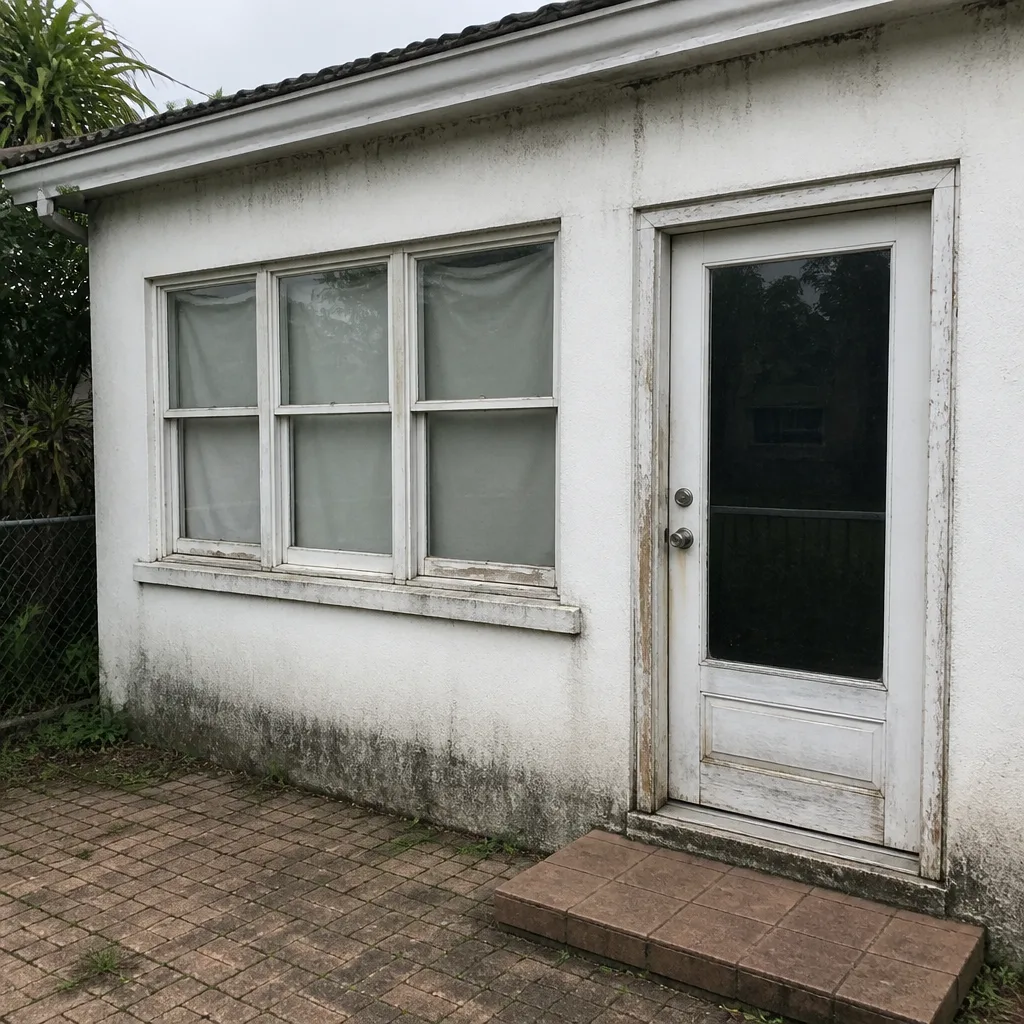 Before
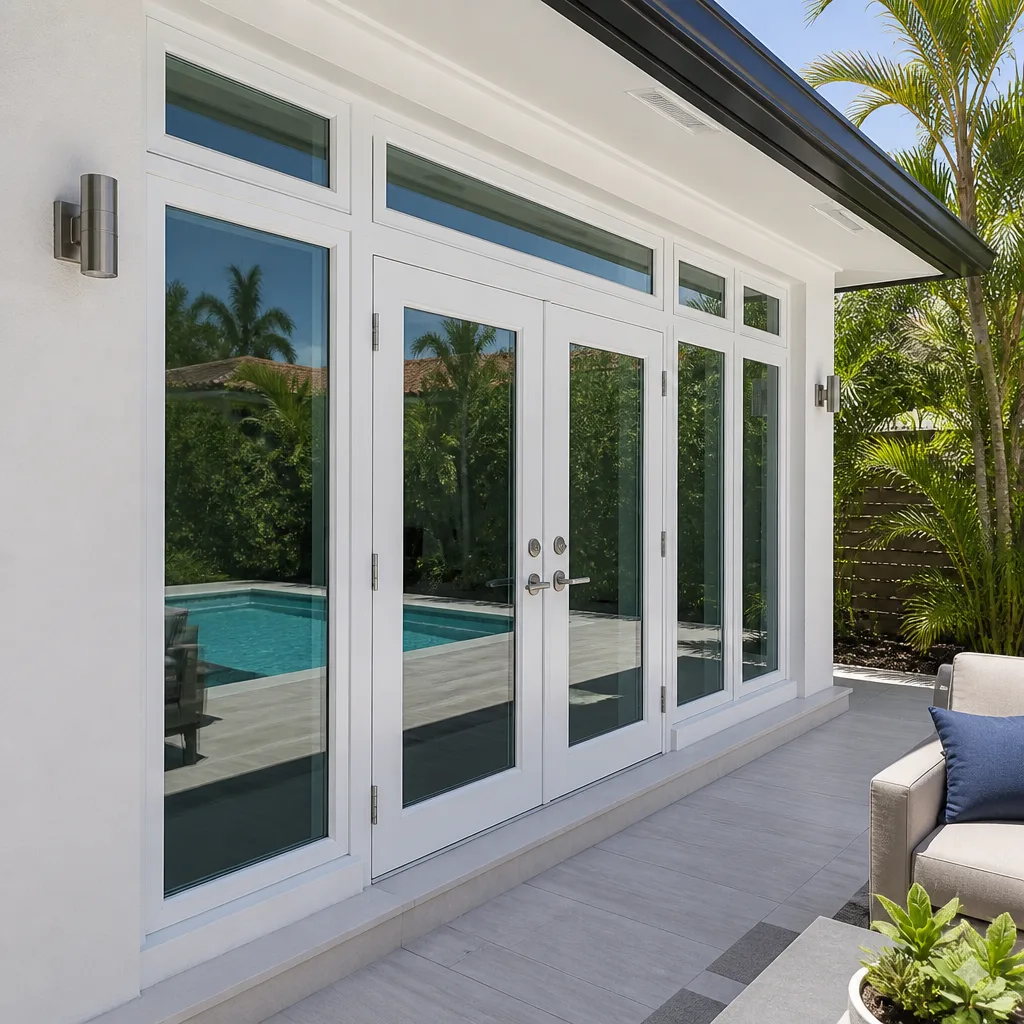 After
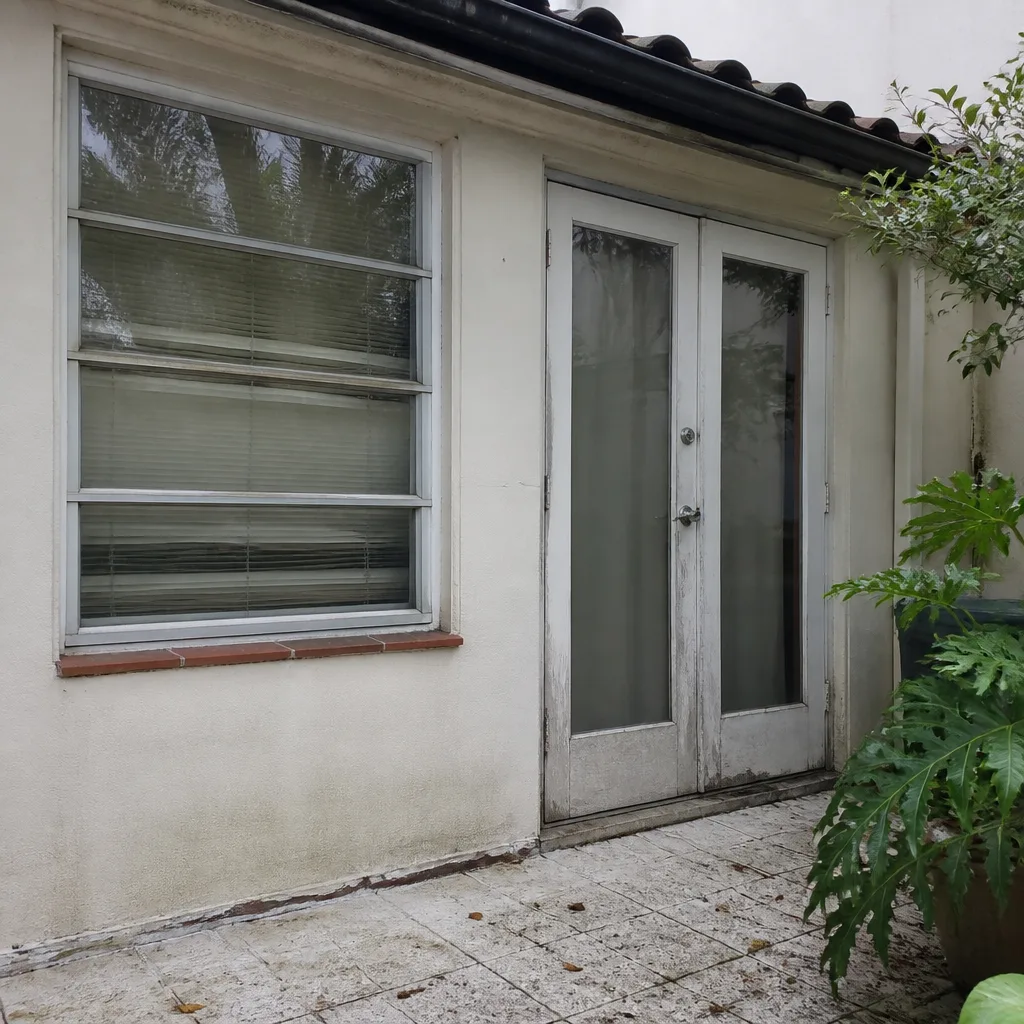 Before
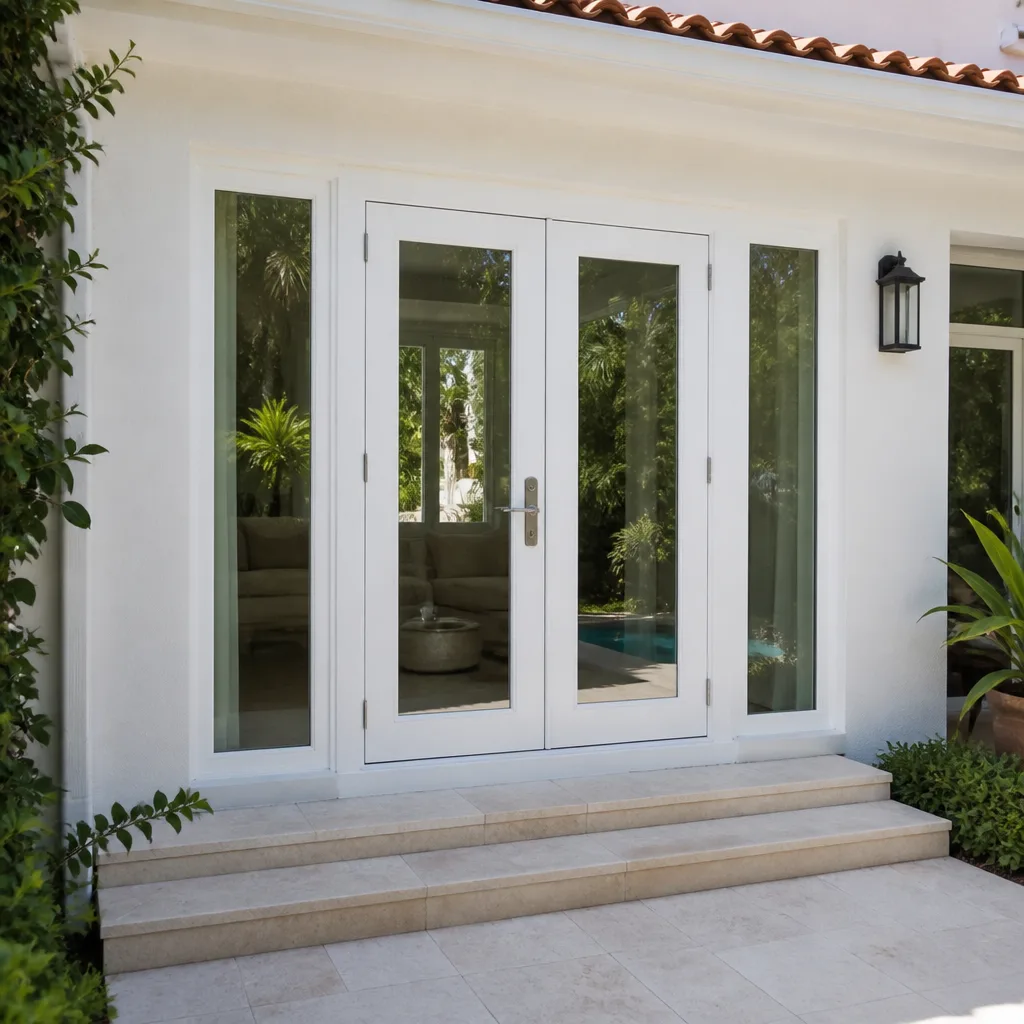 After
How to Hire a Windows & Doors Contractor in Miami Beach: A Step-by-Step Guide
Most homeowners in Miami Beach spend more time picking out a new faucet than they do vetting the person who will cut a hole in the side of their house. That single decision determines whether your new impact windows actually hold to their wind-load rating, whether your sliding door glides in August humidity, and whether the warranty means anything when something fails three years from now. This guide walks through the entire process of hiring a windows and doors contractor in Miami Beach, from the first phone call to the final walkthrough, so you know exactly what questions to ask, what paperwork to demand, and which red flags should send you looking elsewhere.
Quick Answer
To hire a windows and doors contractor in Miami Beach, confirm they carry a Florida state contractor’s license with the Miami Beach building department, ask for proof of insurance and workers’ compensation, request references from homes within five miles of the coast, get line-item quotes from at least three contractors using the same manufacturer lines, insist on written warranty registration for both the manufacturer and the installer, and never pay more than a 10% deposit before work begins. In our experience, the contractors worth hiring will answer these questions directly and put everything in writing without being asked twice.
Table of Contents
- Step 1: Start With the Building, Not the Brochure
- Step 2: Verify the License, Insurance, and Local Track Record
- Step 3: Understand Miami Beach’s Specific Window and Door Requirements
- Step 4: Get Apples-to-Apples Quotes on Paper
- Step 5: Ask the Warranty Questions Most Contractors Hope You Skip
- Step 6: Read the Contract Line by Line (Including Deposits and Timelines)
- Step 7: Prepare for Installation Day and the Final Walkthrough
- Common Mistakes to Avoid
- When to Call a Professional
- Frequently Asked Questions
Step 1: Start With the Building, Not the Brochure
Before you call a single contractor, walk the perimeter of your house and look at it like an inspector would. Which windows face the ocean, the intracoastal, or an open stretch of Biscayne Bay? Which ones fog between the panes? Which doors bind against the jamb when the humidity climbs in July? In Miami Beach, the salt air and tropical storms do not treat every elevation equally, and the contractor you hire needs to know the difference between a window that leaks because of a failed seal and one that leaks because the original installer never flashed the rough opening correctly.
Write down what you observe. Note the brand names etched in the corner of the glass, the general age of the units, and anything that looks like rust on the hardware or gaps in the caulk. You do not need to know the technical vocabulary. You just need a record of what you see, because the discovery process starts with you. A contractor who shows up, glances at the openings, and immediately reaches for a catalog is not diagnosing anything. A contractor who climbs a ladder, runs a hand along the frame, and asks when you first noticed the fog in the west-facing bedroom is doing the work.
One area where we have seen homeowners in Miami Beach make a costly mistake is with original mid-century homes in neighborhoods like North Shore and La Gorce, where the openings were framed for single-pane jalousie or awning windows and have since been retrofitted, sometimes badly, by previous owners. If your home has been through more than one window replacement, expect the opening dimensions to be irregular. A contractor who quotes over the phone without measuring is guessing. We measure every opening twice before any numbers go on paper, because the alternative is a change order once the drywall comes off and the real framing is exposed.
Step 2: Verify the License, Insurance, and Local Track Record
Florida requires a state contractor’s license for window and door installation that involves structural changes to the building envelope. You can verify a license through the Florida Department of Business and Professional Regulation, and you can check with the Miami Beach Building Department for any code violations, stop-work orders, or unresolved complaints tied to that license number. Do this before the contractor sets foot on your property. A legitimate operator expects it. An unlicensed operator will try to steer the conversation back to price.
Insurance matters just as much. Ask for a certificate of insurance that names the contractor’s general liability coverage and workers’ compensation policy, and call the carrier to confirm the policy is active. If a worker is injured on your property and the contractor does not carry workers’ compensation, the claim can land against your homeowner’s policy. That is not a theoretical concern. It happens in Miami Beach more often than it should, particularly with out-of-town crews that come down after a storm and leave before the paperwork catches up with them.
Beyond the state license, ask how long the company has been serving Miami Beach specifically. The building stock here is not like it is in Kendall or Weston. Older high-rise condos along Collins Avenue have different egress requirements than a 1950s ranch in Normandy Isle. A company that has worked in Miami Beach for years knows that some condo associations require board approval before any window replacement, and that the approval process can add weeks to the timeline. We have been doing this work in Miami Beach for years, and we have the paperwork to prove it when a board asks.
Step 3: Understand Miami Beach’s Specific Window and Door Requirements
Miami Beach sits inside Miami-Dade County’s high-velocity hurricane zone, which means the windows and doors you install must meet stricter wind-load requirements than almost anywhere else in the country. The product approvals come from Miami-Dade County, not just the state of Florida, and the difference matters. A window that passes Florida Building Code for the rest of the state may not be approved for use in Miami Beach. If a contractor tells you that any impact window will do, end the conversation.
There are two paths to code compliance for openings in Miami Beach: impact-resistant glass or a non-impact window paired with a separate storm shutter that carries its own product approval. Most homeowners in Miami Beach choose the impact glass route because it eliminates the shutter deployment ritual and meets the insurance discount requirements with fewer moving parts. Impact windows from manufacturers like PGT and Jeld-Wen are tested to withstand the projectile impacts and pressure cycling that Miami-Dade approval requires, and the approval numbers are printed on the product labels. Your contractor should be able to show you those labels and explain what the ratings mean for your elevation.
The permit process is the third piece. Miami Beach requires permits for window and door replacement when the opening size changes, when structural headers are modified, or when the work triggers the city’s 50 percent rule on substantial improvement. Your contractor should be the one pulling the permit and scheduling the inspections. If a contractor suggests skipping the permit to save time or money, that is a signal to hire someone else, because unpermitted work becomes a problem when you sell the home or file an insurance claim.
Step 4: Get Apples-to-Apples Quotes on Paper
We have seen quotes for the same house in Miami Beach range from $18,000 to $62,000 on paper, not because one company is greedy but because the quotes are describing different things entirely. One might include impact windows from Ply Gem in every opening, new interior trim, stucco repair, and permit fees. Another might price non-impact windows from Simonton, leave the existing trim, and quietly exclude the permit. You cannot compare those numbers side by side. You are not comparing bids at that point. You are comparing marketing documents.
The fix is to give every contractor the same specification before they quote. Pick your openings, decide between impact and non-impact glass with shutters, choose a rough price tier for the window line, and state whether you want the trim replaced. Then ask each contractor to quote that exact scope. TruePane Windows & Doors quotes manufacturer lines side by side on paper, so a homeowner can see the price difference between Andersen and PGT and decide what matters more, durability or budget, with real numbers in front of them.
A fair quote in Miami Beach includes these line items: product cost with the exact model numbers, installation labor, flashing and sealant materials, any structural repair discovered before install, permit fees, and haul-away of the old windows. If the line items are missing or lumped into a single number, ask for the breakdown. If the contractor will not provide it, you are looking at a change order waiting to happen.
Step 5: Ask the Warranty Questions Most Contractors Hope You Skip
Window warranties are confusing by design. The glass unit might carry a 20-year warranty while the frame carries 10, the moving hardware carries 5, and the exterior finish carries 2. The labor to remove a defective unit and install a replacement may not be covered at all. What most homeowners discover too late is that the manufacturer warranty is voided if the window was not installed according to the manufacturer’s published instructions. An out-of-true install voids the product warranty, and the installer who did the work has already cashed the check.
This is where the difference between a good contractor and a great one becomes obvious. A great contractor registers both warranty layers, manufacturer and installer workmanship, in writing, and gives you a copy before the technician leaves the driveway. TruePane calls this The Keystone Standard: both manufacturer warranty layers registered in writing, durations stated, no exceptions buried in the fine print. We also extend a Done Right Promise on every install. If it is not done right, we make it right, no paperwork fights and no arguing. Most installation defects show up within 90 days, and that is exactly the window where a homeowner should not have to fight to get a callback.
Ask every bidder two direct questions: one, will you register my manufacturer warranty in writing and give me the registration confirmation before final payment, and two, what does your own workmanship warranty cover, for how long, and in writing. A contractor who shifts in his chair is telling you something the brochure does not.
Step 6: Read the Contract Line by Line (Including Deposits and Timelines)
The contract is where good faith turns into obligation, and most homeowner disputes in Miami Beach trace back to a vague scope of work and a deposit that walked out the door. Florida law limits initial deposits on home improvement contracts, but many contractors push right up to the legal maximum. Some ask for materials paid in full before the order is placed. A reasonable deposit on a window replacement job should not exceed 10 percent of the total contract. If a company asks for 50 percent down, that is a red flag the size of a hurricane shutter.
The contract should spell out the exact products by model number or an equivalent upgrade clause, the installation method, the timeline including how many days the crew will be on site, the permit responsibility and who pays for missed inspections, and a payment schedule tied to milestones, not calendar dates. It should also state that any changes must be written and signed by both parties. Verbal change orders are how a $22,000 job becomes a $31,000 job.
We put our pricing in writing, line by line, before work begins, and the price on that paper is the price you pay at the end unless you ask for additional work in writing. That is a square deal, and it is the only kind we are interested in offering. If another contractor will not commit to the same standard, take your checkbook somewhere else.
Step 7: Prepare for Installation Day and the Final Walkthrough
A full window and door replacement in Miami Beach typically takes one to three days on site, depending on the number of openings and what the crew finds when the old units come out. Prepare the house like you would for a move: clear furniture away from the windows, take down window treatments, remove anything from sills and ledges, and block off the driveway for the installers. The crew will bring drop cloths, but the less you leave in the path, the faster the job goes.
During the install, do not hesitate to walk the site with the lead installer and ask questions. A professional will welcome the inspection. Ask about the flashing method, how they are sealing the rough opening, and what they are doing to keep water out of the wall cavity. In Miami Beach, water intrusion is the silent killer of window installs, and the difference between a good flashing job and a bad one is invisible once the trim goes back on.
The final walkthrough is your chance to hold the contractor to the standard on paper. Open every window. Close every door. Check the locks, the weatherstripping, and the gap between the sash and the frame. Run a hand over the caulk lines. Feel for drafts on a windy day. Before final payment, every opening gets checked against that rule, and you should not accept anything less from any company you hire.
For a fuller picture of what to expect from a professional install, see our guide to TruePane Windows & Doors home service standards and our approach to the craft.
Common Mistakes to Avoid
- Hiring the cheapest bid without comparing scope. In Miami Beach, a low bid often means non-impact glass where impact is required, which costs more when the city flags the permit and the work has to be redone.
- Skipping the permit. Unpermitted window work creates a title problem when you sell and an insurance problem when a storm reveals the shortcut.
- Not asking about the 50 percent rule. Miami Beach’s substantial improvement threshold can trigger a full elevation or structural review, and a contractor who does not flag this early is not serving you.
- Picking a product without seeing it side by side. Buying windows from a catalog photo is how homeowners end up with a frame color they hate for twenty years. Ask to see physical samples.
- Not getting the warranty registration in writing. A verbal promise does not survive the installer’s change of address or the retirement of the salesman. Paper survives.
- Paying a large deposit up front. A 50 percent deposit is a revolving credit line for the contractor and a risk you do not need to carry.
- Rushing to sign after a storm. Out-of-town crews descend on Miami Beach after every hurricane. Some do fine work. Many do not. Verify licenses and local references before you sign anything.
When to Call a Professional
Some window and door issues are worth watching. Others need a professional before they become structural problems. Call a contractor in Miami Beach if you see condensation trapped between panes, frames that feel soft or spongy when pressed, doors that no longer latch because the house has shifted, water staining on interior walls below windows, or any visible cracking around the rough opening. These are not cosmetic issues. They are early warnings that the building envelope is failing. Replacing a weather strip is a homeowner job. Replacing the flashing and resealing an opening is a glazier’s job, and it is not one to learn from a video. TruePane Windows & Doors offers free estimates in Miami Beach - call (386) 406-9359.
Frequently Asked Questions
Window replacement in Miami Beach typically runs $800 to $1,400 per opening for mid-range impact windows, including installation, with full-house projects landing between $18,000 and $45,000 depending on the number of openings, the product line, and whether any framing repair is required. High-end lines like PGT’s higher-end series or a full custom window package can push the cost beyond that. The only way to get a real number is a measured, line-item quote for your specific openings. Call (386) 406-9359 for an exact quote - estimates are free.
Miami Beach homes can meet Miami-Dade code with either impact-resistant glass or non-impact windows paired with approved storm shutters, but most homeowners choose impact windows because they work every time without anyone hauling panels in the rain. Impact windows from manufacturers like PGT and Jeld-Wen also qualify for insurance discounts and do not require you to be home to deploy them. If you are weighing the two paths, we can price both options side by side on paper. Call (386) 406-9359 for a written quote.
Most full-house window and door replacements in Miami Beach take one to three days on site once the products arrive, which is typically two to six weeks after the order is placed. Custom sizes, condominium board approvals, and unexpected framing repair can extend the timeline. A written contract should state the on-site duration and the product lead time separately. Call (386) 406-9359 to get a realistic timeline for your project.
The price should not change unless you ask for additional work in writing. If a contractor’s discovery process is honest, any potential framing or water damage issues get identified before the contract is signed, not after the windows come out. TruePane Windows & Doors uses line-item pricing in writing, and the number on the contract is the number on the final bill. Call (386) 406-9359 for a quote that holds.
Yes. We pull the permits, schedule the inspections, and make sure the work passes before we call the job done. We have worked with the Miami Beach Building Department long enough to know the paperwork inside out, and our installs are built to pass inspection the first time. Call (386) 406-9359 to talk through your project.
A fogged double-pane window in Miami Beach means the seal between the panes has failed, and the trapped humidity is condensing inside the insulated glass unit, and the fix is either replacing the glass unit or, depending on the age and condition of the frame, replacing the entire window. Continued exposure to salt air in Miami Beach will make the problem spread. Call (386) 406-9359 to have a technician assess the opening and give you a written quote for the repair.
The Bottom Line
Hiring a windows and doors contractor in Miami Beach comes down to verifying credentials, comparing identical scopes on paper, demanding written warranty registration, and refusing to hand over a big deposit on a handshake. The right contractor answers direct questions with direct answers, measures every opening twice, quotes manufacturer lines side by side, registers both warranty layers before the technician leaves, and stands behind the work in writing. The wrong contractor races past the details to get to the check. TruePane Windows & Doors has served Miami Beach for years under the standard that if the pane is not true, the job is not done. When you are ready to talk about your windows and doors, call (386) 406-9359 for a free estimate.
Written by the team at TruePane Windows & Doors.
Six Reasons Homeowners Choose TruePane Windows & Doors
Impact systems engineered to design pressures up to +/-100, matched to your wind zone - your openings hold when the storm arrives.
Low-E insulated impact glass from our manufacturer lines commonly cuts monthly cooling bills 20-30%.
Laminated impact glass shuts out up to 40% of outside noise - traffic, neighbors, weather.
Monitoring services run $30-90 a month. Laminated impact glass resists forced entry around the clock, with no subscription.
Florida homeowners average around 25% savings on the windstorm portion of their policy after protecting every opening - some homes qualify for more.
A full impact package upgrades curb appeal, buyer confidence and appraised value in one project.