
Last updated August 27, 2026
Free in-home measure and quote - PGT, CGI and CWS impact lines compared on your actual openings, style by style
Sliding glass doors
Impact garage doorsPGTCGI
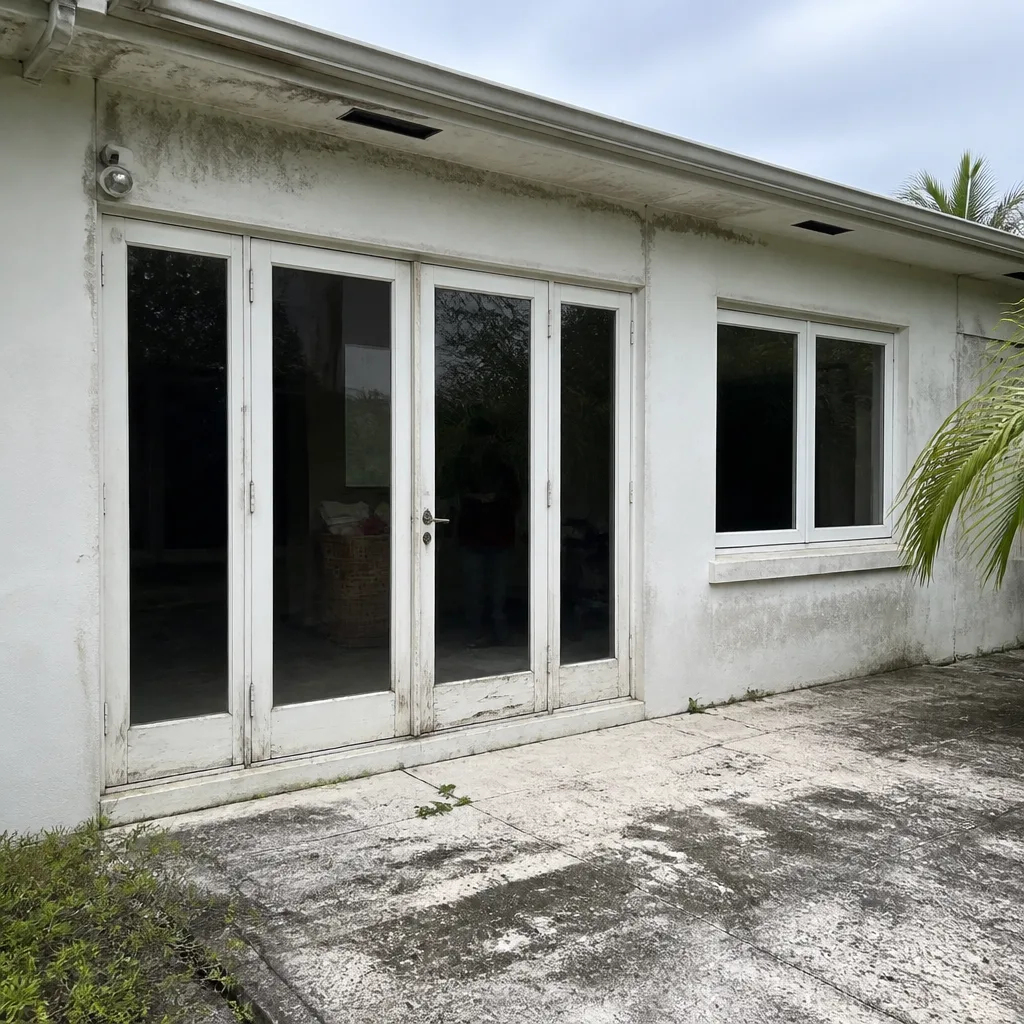 Before
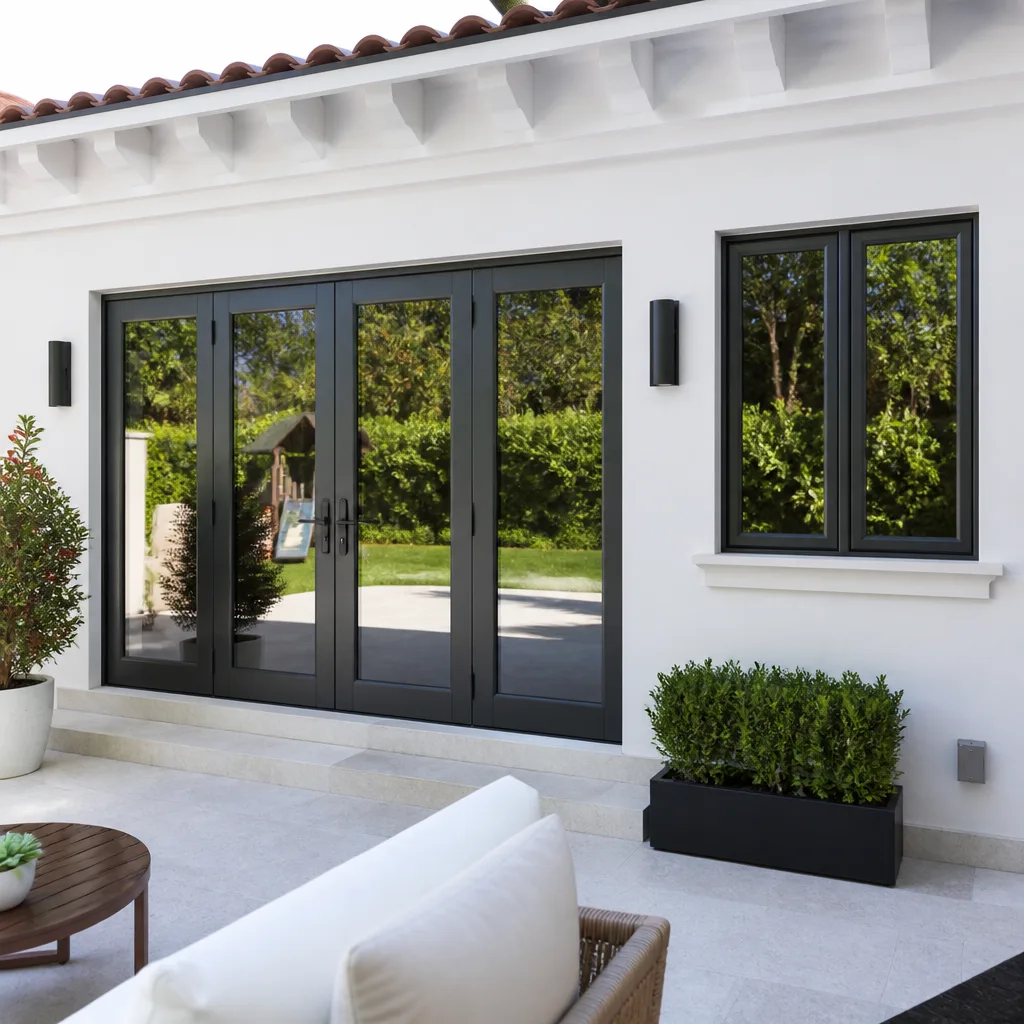 After
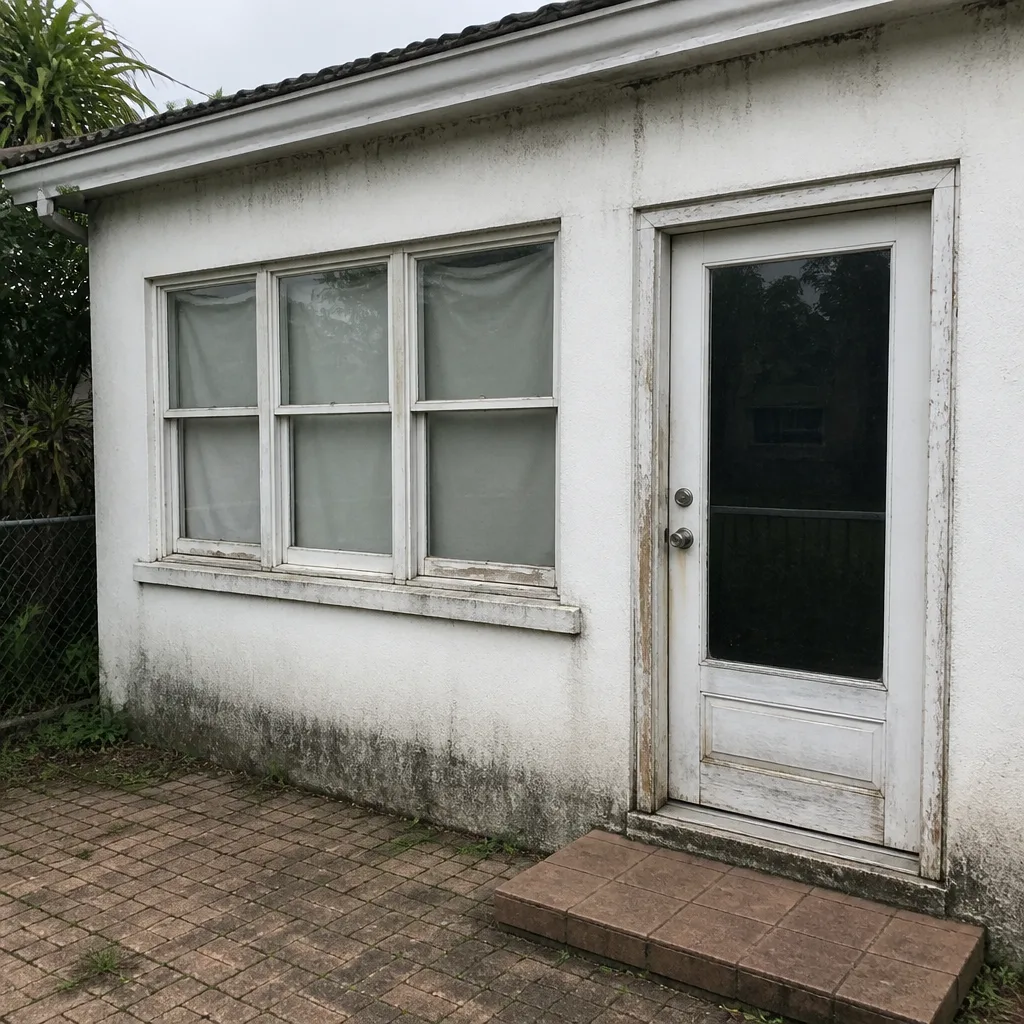 Before
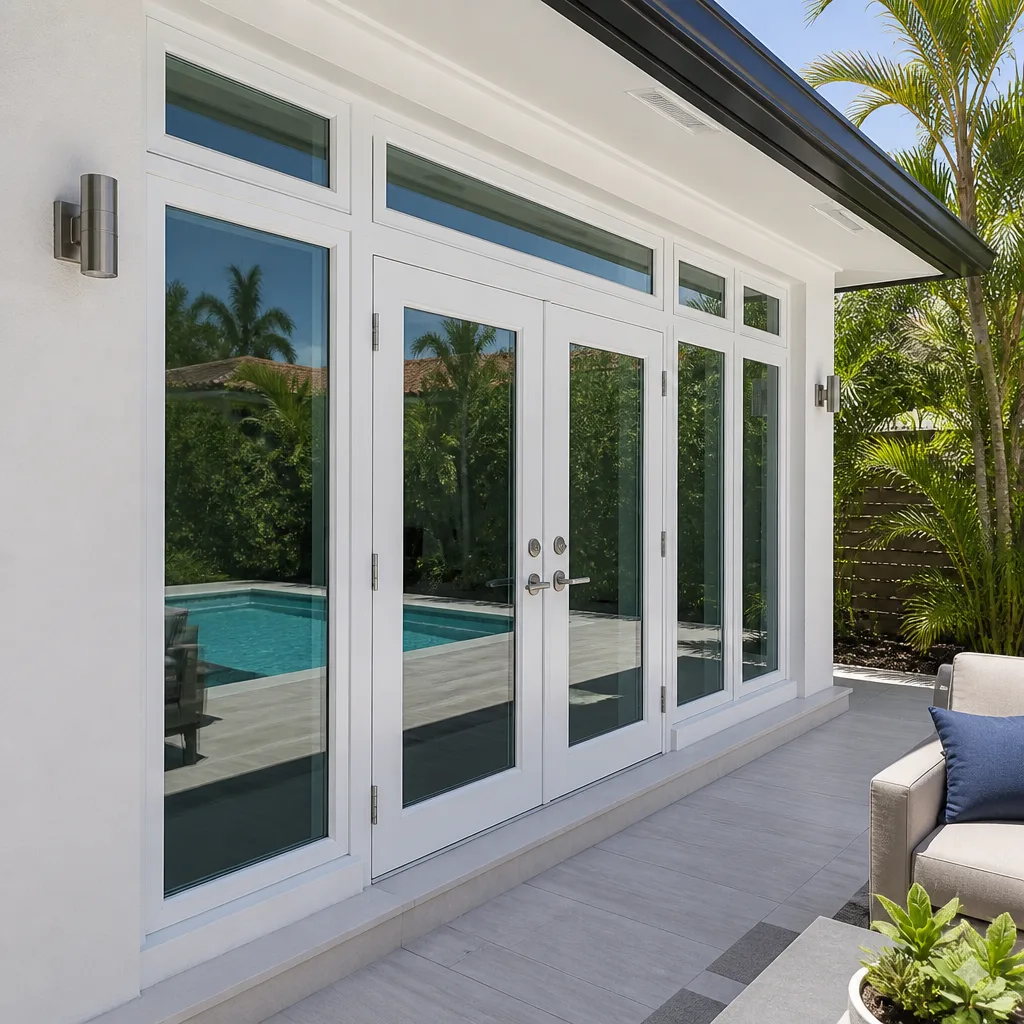 After
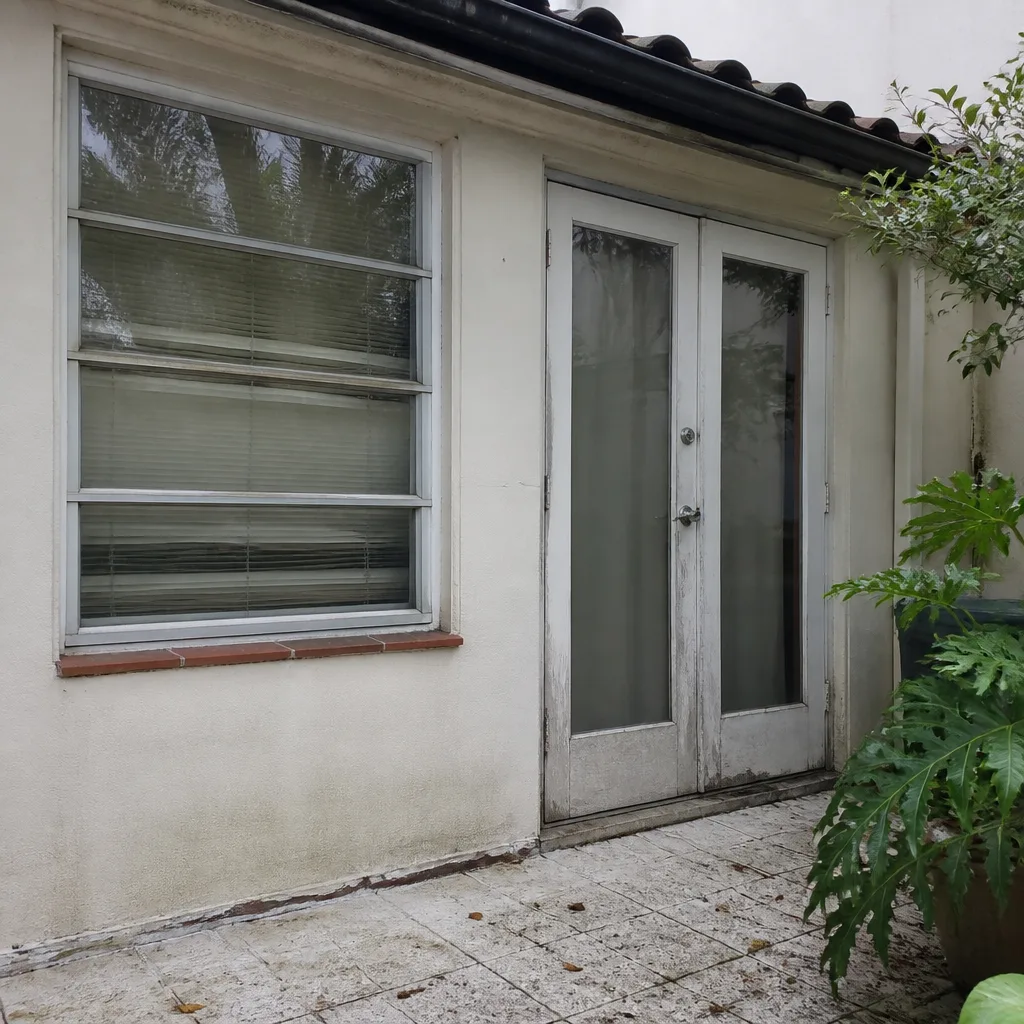 Before
 After
DIY vs Professional Windows & Doors: The Miami Beach Homeowner’s Decision Guide
In Miami Beach, the average homeowner replaces failing window seals twice before addressing the real problem: the original installation was never square to the opening. That’s not a guess. It’s what we see on service calls up and down West Avenue, North Beach, and the Venetian Islands every week. This guide walks you through what a window or door replacement actually involves, where DIY money gets wasted, and where a professional crew earns its keep. You’ll learn what you can safely handle yourself, what will cost more when it goes wrong, and how Miami Beach’s climate and building code shape every decision.
Quick Answer
DIY window and door work in Miami Beach makes sense only for cosmetic fixes: caulking, repainting, hardware adjustment, or weatherstripping. Full window or door replacement, impact glass installation, and anything touching the structural opening should be handled by a licensed professional. The Miami-Dade County product approval requirements alone eliminate most DIY replacement projects before the first screw comes out of the box. A failed DIY install in this climate means water intrusion, and water intrusion in Miami Beach means mold, rotted rough openings, and a repair bill two to three times the original job.
Table of Contents
- When DIY Makes Sense (And When It Doesn’t)
- What Miami Beach Code Actually Requires
- The Climate Reality: Salt, Humidity, and Hurricane Season
- The True Cost of a Botched Install
- Step-by-Step: How a Professional Replacement Actually Works
- Windows vs. Doors: Different Skills, Different Risks
- The Warranty Question Nobody Asks
- A Simple Decision Framework for Miami Beach Homeowners
When DIY Makes Sense (And When It Doesn’t)
The honest answer is narrower than the paint aisle at Home Depot suggests. DIY works when the fix is surface-level. It fails when the fix touches the rough opening, the waterproofing plane, or the safety glass assembly.
Here’s what to know, plain and simple. A window or door assembly is a system, not a slab of glass in a frame. The glass sits in a sash. The sash sits in a frame. The frame sits in a rough opening, tied to the studs with fasteners and sealed against water with flashing tape, sealant, and backer rod. The opening itself should be square, level, plumb, and properly shimmed. Miss any one of those things and the entire assembly works against itself. The sash binds. The seals fail early. The weep holes stop draining. The operator hardware strips. None of these are fixable with caulk from a tube.
What makes sense to do yourself:
- Replacing worn weatherstripping on a door that still closes square.
- Cleaning and lubricating sliding door tracks.
- Repainting exterior wood trim, keeping paint off the weatherstrip.
- Replacing a screen or a broken handle on a window that still operates correctly.
- Re-caulking a bathtub, not a window perimeter. We’ll get to that.
- Adjusting striker plates when winter humidity settles and a lock gets stubborn.
What does not make sense:
- Any window or door that requires Miami-Dade product approval documentation (most of them).
- Impact glass, laminated glass, or any assembly involving high-design-pressure ratings.
- Anything requiring a permit, a structural fastener, or a new rough opening.
- Any installation where you can’t see the existing flashing condition, because that’s where the real cost hides.
One more thing. Many Miami Beach homeowners tell us they’ll “just replace the glass” in a frame that’s fifteen years old. The frame counts as much as the glass. If the frame has rolled, racked, or shifted, a new lite of glass inherits the old frame’s problems. The savings exist only on paper.
What Miami Beach Code Actually Requires
Miami Beach sits in a High Velocity Hurricane Zone. That is a legal designation, not a weather description. It means the Florida Building Code applies differently here than it does in Orlando. Exterior windows and doors must meet specific design pressure ratings, and most must carry Miami-Dade County Notice of Acceptance documentation, commonly called an NOA. No NOA document, no permit. No permit, no inspection. No inspection, and when you sell the house, the title company finds out.
This single requirement eliminates the bulk of DIY replacement work. You cannot walk into a big-box store, buy a window off the floor, and install it in a Miami Beach house without verifying that the product carries the required approvals. Most off-the-shelf units do not. The ones that do are typically sold through authorized installers with manufacturer relationships.
We know this sounds bureaucratic. It is. But the code exists because Hurricane Andrew flattened Homestead in 1992 and the state changed the rules permanently. The building department in Miami Beach is not an inconvenience. It is the reason homes survive storm season with fewer failures.
What the code means for you, specifically:
- Any new window or exterior door must meet design pressure ratings for its location on the building. A window on the 12th floor of a South Beach condo faces different wind loads than one on a ground-floor bungalow in Bayshore.
- Impact-rated assemblies are required in most residential replacement scenarios. Shutters can satisfy the code in some cases, but they must meet current standards and be approved for the specific opening.
- Permits are not optional. A licensed contractor pulls them. The permit process triggers an inspection, and the inspection verifies the installation matches the approved engineering.
- Condominium buildings add another layer. The association may have its own engineering standards, unit owner responsibilities, and required product lines. North of 41st Street is a different world from the condo canyons south of Fifth.
The homeowner who skips this process to “save money” learns the hard way that a non-permitted, non-compliant window is a liability, not an asset. Resale becomes difficult. Insurance claims get denied. The savings evaporate in legal exposure.
The Climate Reality: Salt, Humidity, and Hurricane Season
Miami Beach is one of the harshest environments for windows and doors in the continental United States. Salt spray from the Atlantic sits in the air year-round. Humidity averages above 70 percent. Summer temperatures push thermal expansion and contraction through daily cycles. Then hurricane season arrives from June through November, and a wind event can test every weak point in a window’s sealing system in twenty minutes.
What this means in practice is straightforward. A window installed correctly in a dry climate can fail in Miami Beach within five years if installed incorrectly. It’s not the glass. Glass is inert, and a pane of float glass does not care how humid the air is. The failure points are the seals, the gaskets, the weep system, and the connection between the frame and the rough opening. Salt air attacks aluminum. Humidity rots wood that hasn’t been properly back-primed. UV radiation breaks down polyurethane sealant faster here than almost anywhere else.
The Miami Beach condo and single-family home stock skews toward two product ecosystems: the original aluminum frames from the 1960s and 70s and the high-end impact replacements from the last twenty years. Original windows in Miami Beach from the 1960s were often site-built, single-glazed, and leak air like a cheese grater. Homeowners sometimes think those walls of original jalousie windows are charming. That charm costs about $400 a month in electricity during summer.
For DIY projects, the climate adds risk to any work involving the building envelope. A bead of caulk is not waterproofing. Flashing is waterproofing. We see homeowners caulk the exterior perimeter of a leaky window, which only seals the water in behind the stucco where it rots the wood buck out of sight. By the time the drywall stain appears, the rough opening is compromised. That’s a $2,000 to $4,000 repair on a house where the “budget fix” was a $12 tube of caulk.
The True Cost of a Botched Install
Let’s put cash figures on it. The numbers are Miami Beach-specific, because our labor market and product availability are not Orlando’s.
What a typical Miami Beach replacement window installation costs, professionally, with permitting and compliant product, runs between $1,800 and $4,500 per opening depending on size, style, impact rating, and frame material. Larger openings, like sliding glass doors or custom picture windows, run $5,000 to $12,000 installed. A full house of replacement windows in a 2,500-square-foot Miami Beach home might total $35,000 to $80,000 depending on selections.
Now consider the cost of failure. A DIY leak that has been running unnoticed behind the stucco for two years:
- Rough opening replacement and wood buck restoration: $1,500 to $4,000 per opening.
- Mold remediation, if the leak reached drywall and insulation: $2,000 to $8,000 depending on spread.
- Stucco repair and repainting to match the existing finish: $800 to $2,500 per affected area.
- Replacing the DIY-installed window with a compliant product: the original $1,800 to $4,500 per opening, now on top of the remediation.
- Insurance claim denied because the installation was not performed by a licensed contractor with a permit: the entire loss out of pocket.
The math is not close. A DIY window replacement in Miami Beach that goes wrong is not a $200 repair. It is a five-figure problem. And the failure may take two or three years to become visible. By that point, the homeowner may not connect the water stain on the baseboard to the window they “saved money” on.
The most expensive job we ever repaired, a house on the Venetian Causeway, involved a homeowner who hired the cheapest labor he could find, which was not a licensed Miami Beach window contractor. The result was four openings that all leaked, two rotted buck frames, and a stucco remediation project that consumed the money he thought he was saving five times over.
Step-by-Step: How a Professional Replacement Actually Works
Here’s what a real replacement looks like to the final walkthrough. We’re walking through it so that any homeowner considering the DIY route can compare the two approaches honestly.
- Measurement and assessment. Every opening is measured twice. Width at the top, width at the bottom, height on both sides. The existing window is checked for square, plumb, and level. The rough opening condition is assessed, which means removing interior casing or exterior trim in some cases to see what’s behind the stucco.
- Product selection and approval. Homeowners see side-by-side quotes for manufacturer lines that carry Miami-Dade NOAs. The design pressure rating is matched to the building’s exposure and the opening’s location. Both manufacturer warranty layers get identified, and the paperwork is prepared before the install.
- Permit application. The contractor files the permit with the Miami Beach Building Department. This is not a formality; it triggers the inspection that verifies the code compliance that protects the resale value.
- Removal. The old window comes out. The rough opening receives full inspection: checking for hidden rot, termite damage, failed flashing, or compromised wood bucks. This is the step that separates professional work from amateur work, because it often reveals problems invisible behind the wall.
- Rough opening repair and preparation. Any damaged framing is replaced. The opening is re-flashed with the proper materials for the wall assembly. The sill is sloped to drain outward.
- Installation. The new window is set square, level, and plumb in the opening. It is shimmed at all anchor points. Fasteners are installed per the manufacturer’s approved method and spacing. The assembly is air-sealed and water-sealed at the interior and exterior.
- Interior finish and clean-up. The opening is insulated. Trim is restored. The site is cleaned, no glass shards, no debris, no dust piles. The old windows are hauled away.
- Inspection. A Miami Beach building inspector verifies the work against the permit and the approved engineering. This is the backstop that does not exist in a DIY install.
- Warranty registration. Both manufacturer warranty layers are registered in writing. At TruePane Windows & Doors, this is The Keystone Standard: durations stated, both layers documented, and the Done Right Promise set out in writing. The homeowner gets no paperwork fights, because there is nothing to argue about.
That is the full job. A DIY installation skips at least six of those steps, and the skipped steps are the ones that determine whether the window leaks or the frame rots. The glass going in is the easiest part. It’s everything around the glass that matters.
Windows vs. Doors: Different Skills, Different Risks
A sliding glass door is not a “big window” and a side-hinged entry door is not a “small wall.” They present different challenges. Understanding the difference helps a Miami Beach homeowner decide where the DIY line is.
Windows are primarily concerned with water management and wind resistance. They drain, they seal, they sit in the wall and do their job quietly. When a window fails, it leaks slowly, often hidden. The cost is water damage plus energy loss. It is serious, but it does not usually threaten the immediate security of the house.
Doors carry all the same water and wind requirements, plus a different burden: they are operable, they are used dozens of times a day, and they carry the security load of the home. An exterior door in Miami Beach must be impact-rated in most situations. It needs a threshold, a sweep, weatherstripping that compresses properly, hinges that align perfectly, and a strike plate that catches solidly. The tolerance for error on a door is tighter than on a window. It is off by an eighth of an inch, and it rubs. Off by a quarter inch, and the deadbolt will not seat. The energy loss is also different: a leaking window wastes air conditioning. A poorly hung door lets humid air pour in every time it opens, and closes badly a hundred times a week.
We can also tell you which brands hold up on Miami Beach better than others, and it isn’t a secret list. Jeld-Wen, Simonton, Ply Gem, and PGT all offer Miami-Dade approved lines with different strengths. PGT dominates the impact market for a reason: the company is serving Florida and builds specifically for this climate. Simonton has strong mid-range vinyl options with good thermal numbers. Jeld-Wen offers wide distribution for standard and custom projects. Ply Gem is a value player with a clean track record in multi-family work. There is no one “best” brand. There is the best brand for the specific opening, the specific condo association, and the specific budget.
The Warranty Question Nobody Asks
Most homeowners think about warranty only after something fails. By then, it’s often too late to fix the paperwork. The single most expensive mistake we see is not choosing the wrong product. It is choosing the right product and then voiding the warranty through an improper install, missing registration deadlines, or a lack of proof that the installation complied with local code.
At TruePane Windows & Doors, this is addressed by The Keystone Standard. Both manufacturer warranty layers are registered in writing, with durations stated, before the technician leaves the driveway. There is no fine print that covers neither. The Done Right Promise stands behind the work: if it is not done right, we make it right, no paperwork fights and no arguing. That is a protection a DIY install cannot offer, because there is no product warranty to register if the product is not installed through an authorized channel, and no workmanship warranty to invoke against yourself.
Here’s the specific failure pattern. Homeowner buys a brand of window that carries a 20-year seal warranty. The seal fails in year three. The homeowner contacts the manufacturer. The manufacturer asks for the installation documentation, the permit number, and proof of authorized installation. The DIY homeowner has none of these. The claim dies. The “savings” from the original install now has a second cost: a window that costs full price to replace, with no recourse.
There is a place this matters more than any other: a house on the water. Impact-rated windows on a waterfront property in Miami Beach are expensive. The warranty is part of that cost. A voided warranty on a $4,000 impact unit is a real loss. This is not something to discover during hurricane season.
A Simple Decision Framework for Miami Beach Homeowners
So how do you decide? Here is the framework we offer when a homeowner calls the office and asks whether they can handle a particular job.
Can the job be done without touching the rough opening, the waterproofing plane, the structural fasteners, or the safety glass assembly? If yes, it is likely within a capable DIY scope: weatherstripping, track cleaning, hardware tightening, exterior trim painting. If no, it is a professional job.
Does the job require a permit or Miami-Dade County product approval? If yes, the work should be performed by a licensed contractor. This includes nearly all replacement windows and exterior doors in Miami Beach.
Is the failure visible and contained, or could there be hidden damage? If the window is fogged, the seal is dead but the opening is likely fine. If the wall below the window shows stains, the leak may be larger than the window. A licensed contractor’s assessment catches hidden damage before it spreads.
Would the price of failure be higher than the price of professional installation? The answer in this climate is almost always yes. A small leak becomes a large repair if given time, and Miami Beach gives time to leaks year-round.
Is warranty coverage part of the value of the product? On impact windows, the answer is yes. Protect it with professional installation and documentation.
Common Mistakes to Avoid
- Skipping the permit. Miami Beach code requires permits for nearly every replacement window and exterior door. An unpermitted install becomes a resale problem, an insurance problem, and a safety problem, all at once.
- Using commodity sealant as a waterproofing system. A tube of caulk is not an installation method. Flashing, membrane, backer rod, and drainage plane work together to protect the opening. Caulk is the last line, not the first.
- Replacing glass but not the frame. A new lite in an old, racked frame inherits all the old problems. The frame, the seals, and the glass work as one system. Replace the system.
- Buying an off-the-shelf window that lacks Miami-Dade NOA. Many products sold in Florida hardware stores do not meet Miami Beach code. The box may say “hurricane rated.” The local building department will ask for the NOA document.
- Not registering the warranty. Manufacturer warranties have specific registration requirements and deadlines. A missed deadline is a voided warranty, and most homeowners do not discover this until a claim is denied.
- Using the cheapest bid as the comparison point. The cheapest installation is not the cheapest total cost when it leaks, when the warranty is voided, or when the inspector refuses to sign off. A square deal means upfront pricing and no surprises on the bill; it does not mean the bottom of the bid pile.
- Ignoring the hidden damage question. If a window has been leaking for years, the rough opening may need serious work. Amateurs are less likely to look for this and less able to fix it once found.
When to Call a Professional
Call a professional when the job involves replacing any window or exterior door in Miami Beach, when a leak appears around an opening, when a door starts to bind or rub in summer humidity, when an impact rating needs to be verified, or when a permit is required. Also when a home is being sold, because the buyer’s inspector will find non-compliant work, and the title company will refuse to close over unpermitted improvements. TruePane Windows & Doors offers free estimates in Miami Beach, not a sales pitch dressed up as an estimate. The number is (386) 406-9359. A live person answers, any hour, any day. If the pane is not true, the job is not done.
Frequently Asked Questions
A typical replacement window in Miami Beach costs $1,800 to $4,500 installed, including permitting and Miami-Dade compliant product. Larger openings and impact-rated units run higher. Sliding glass doors typically range from $5,000 to $12,000 depending on size and product selection. The price reflects the cost of code-compliant materials, licensed installation, and the documentation that protects the warranty. Call (386) 406-9359 for a written line-item estimate for your specific openings. Estimates are free, and there are no surprises on the bill.
Yes. Miami Beach requires permits for nearly all exterior window and door replacements. The city sits in a High Velocity Hurricane Zone, and the Florida Building Code enforces design pressure and impact requirements that must be verified through inspection. A licensed contractor pulls the permit and ensures the installation is inspected and signed off. Working without one creates liability, insurance, and resale problems.
The practical answer is no. Impact windows require Miami-Dade County Notice of Acceptance documentation, proper fastening per the manufacturer’s engineering, and a building permit. Most manufacturers will only honor warranties when installation is performed by an authorized installer. The structural and water-management requirements are beyond the scope of a typical DIY project, and a mistake in a hurricane zone carries severe consequences.
A properly installed, high-quality window in Miami Beach should last 20 to 30 years, though the salt air and humidity are hard on frames and seals. Cheaper products or improper installations can fail within five years. Maintenance matters: cleaning weep holes, checking weatherstripping, and keeping hardware lubricated extends service life. If a seal fogs, the unit needs replacement; the insulating gas has escaped and the energy performance is compromised.
The leak may go unnoticed behind the stucco for years. By the time water damage appears inside, the rough opening may be rotted and the repair bill can run $3,000 to $8,000 per affected opening, sometimes more. The homeowner is responsible for the full cost, because no warranty covers a DIY installation and the insurance policy may not cover damage resulting from non-permitted work. The cheapest install is rarely the cheapest total cost.
Yes. TruePane regularly works in Miami Beach condominium buildings, coordinating with associations on approved product lines and engineering requirements. The company is an authorized installer for more than a dozen manufacturer lines and provides side-by-side quotes on paper. The Keystone Standard applies to every job, including condo work, so both warranty layers are registered before the technician leaves the driveway. Call (386) 406-9359 to discuss the specific requirements of your building.
The Bottom Line
DIY window and door work in Miami Beach is a game of small true wins and much larger hidden losses. Weatherstripping, track cleaning, and hardware touches are valid homeowner tasks. Everything else, from replacement window installation to impact door fitting to leak repair, belongs with a licensed professional. The climate is harsh, the code is strict, and the warranty protection is worth real money. If you’re weighing the decision, call (386) 406-9359 for a free estimate. A live person will answer. We’ll be there when we say. And if the pane is not true, the job is not done. Learn more at the TruePane Windows & Doors home page.
Written by the team at TruePane Windows & Doors.
Six Reasons Homeowners Choose TruePane Windows & Doors
Impact systems engineered to design pressures up to +/-100, matched to your wind zone - your openings hold when the storm arrives.
Low-E insulated impact glass from our manufacturer lines commonly cuts monthly cooling bills 20-30%.
Laminated impact glass shuts out up to 40% of outside noise - traffic, neighbors, weather.
Monitoring services run $30-90 a month. Laminated impact glass resists forced entry around the clock, with no subscription.
Florida homeowners average around 25% savings on the windstorm portion of their policy after protecting every opening - some homes qualify for more.
A full impact package upgrades curb appeal, buyer confidence and appraised value in one project.