
Last updated August 27, 2026
Free in-home measure and quote - PGT, CGI and CWS impact lines compared on your actual openings, style by style
Sliding glass doors
Impact garage doorsPGTCGI
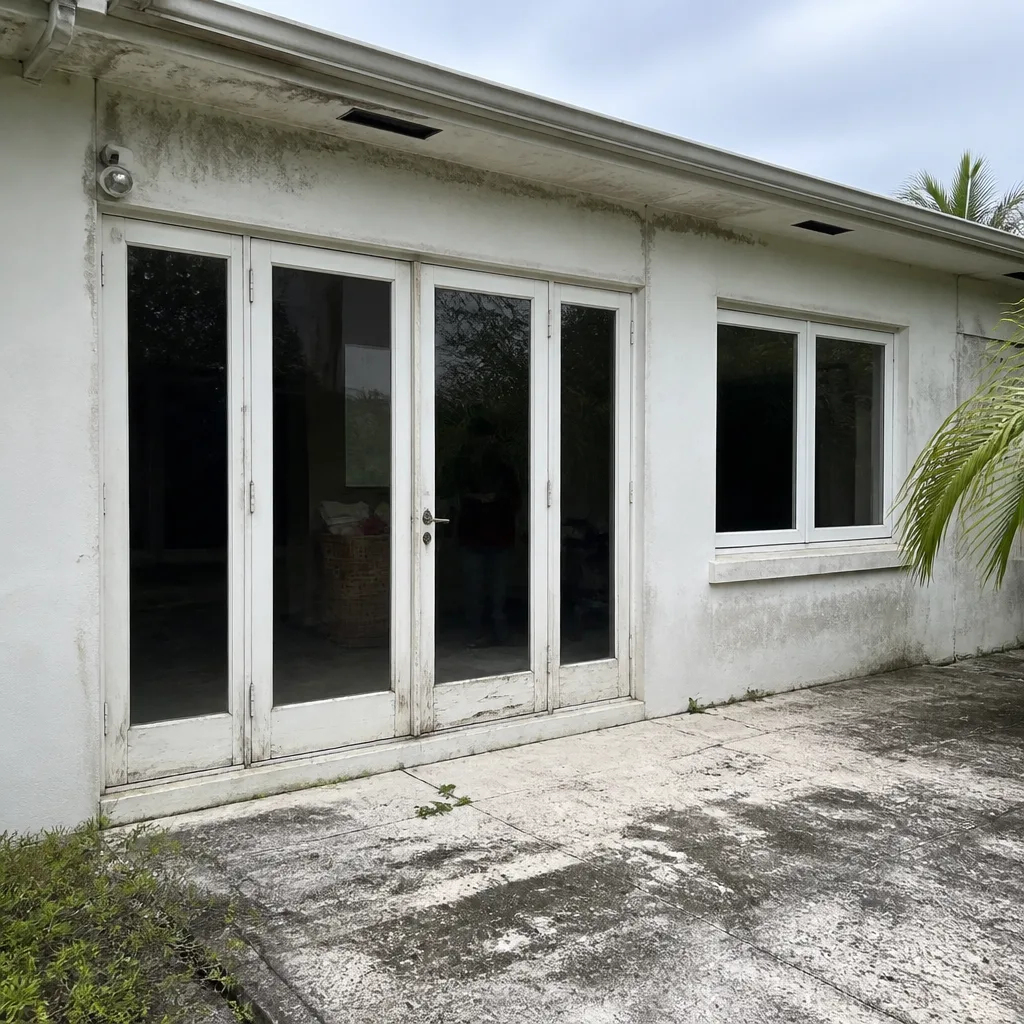 Before
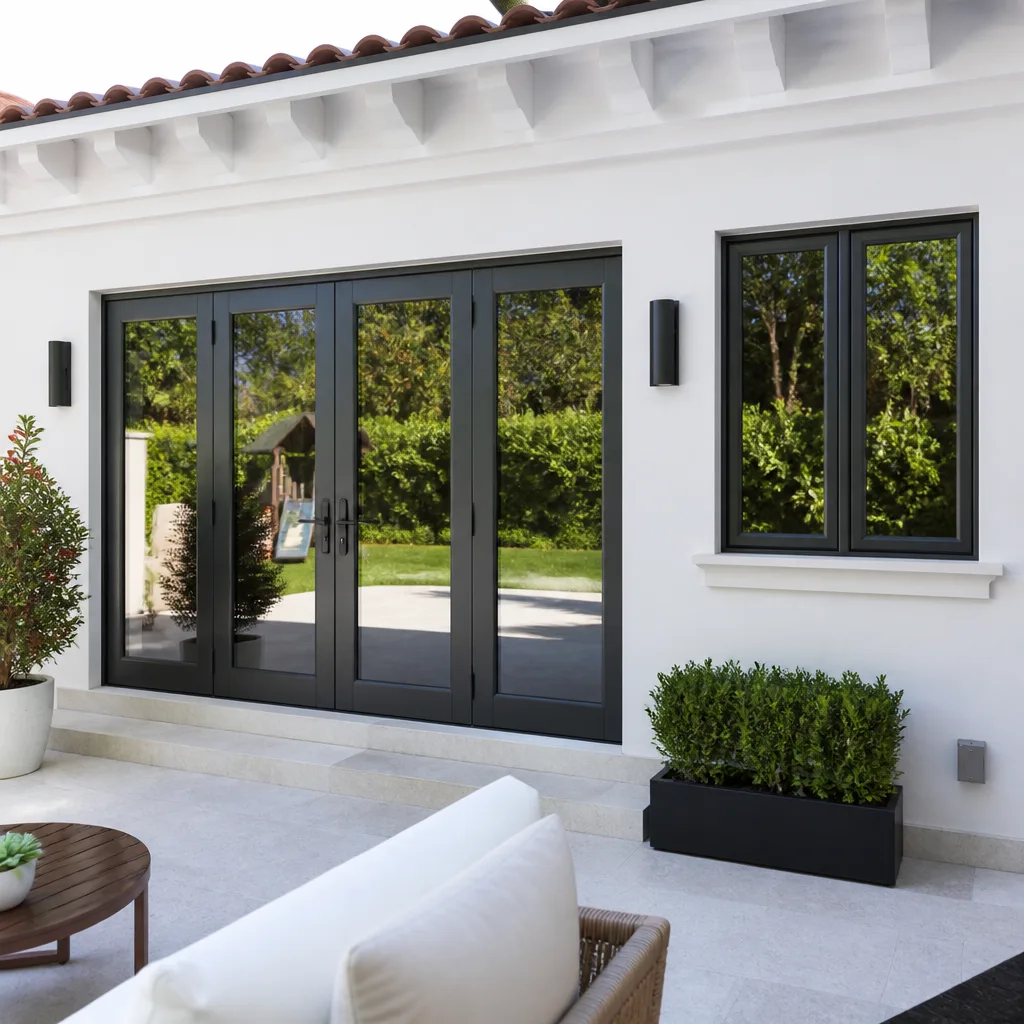 After
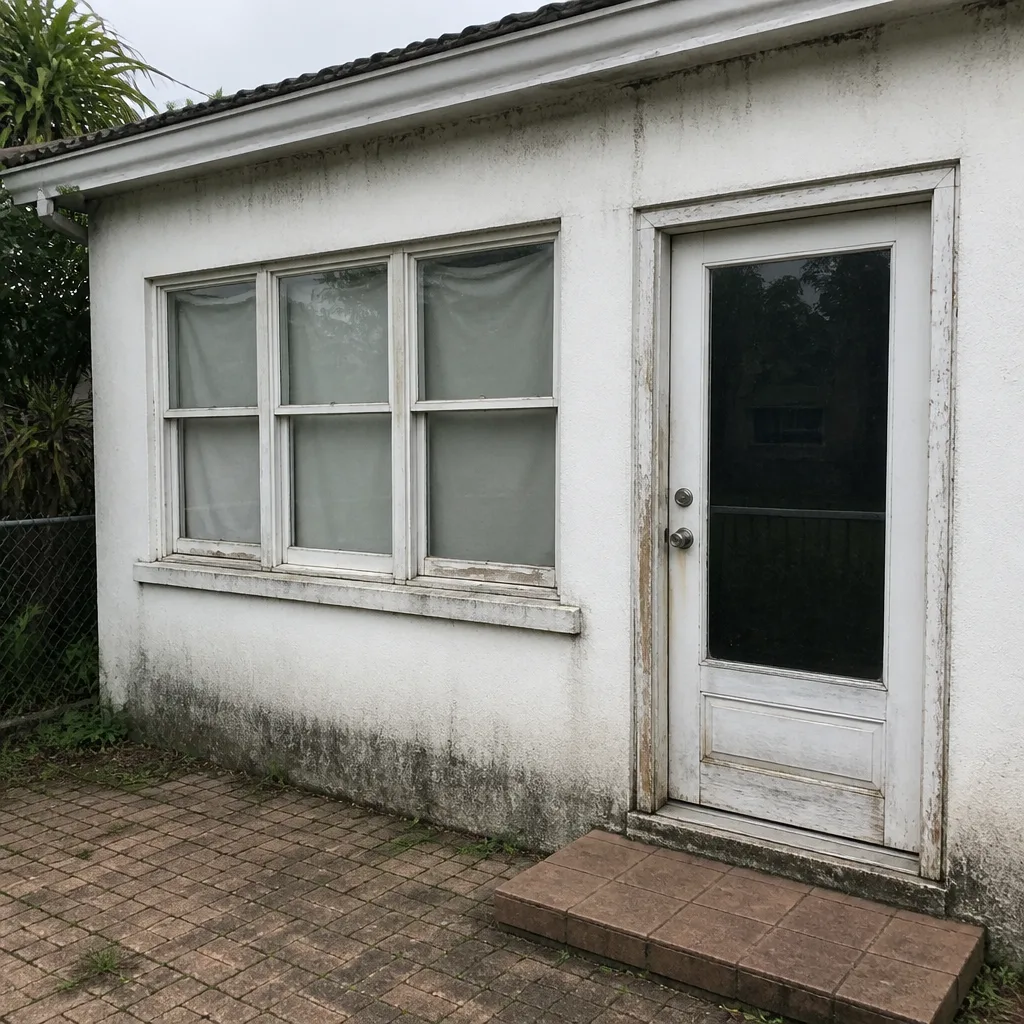 Before
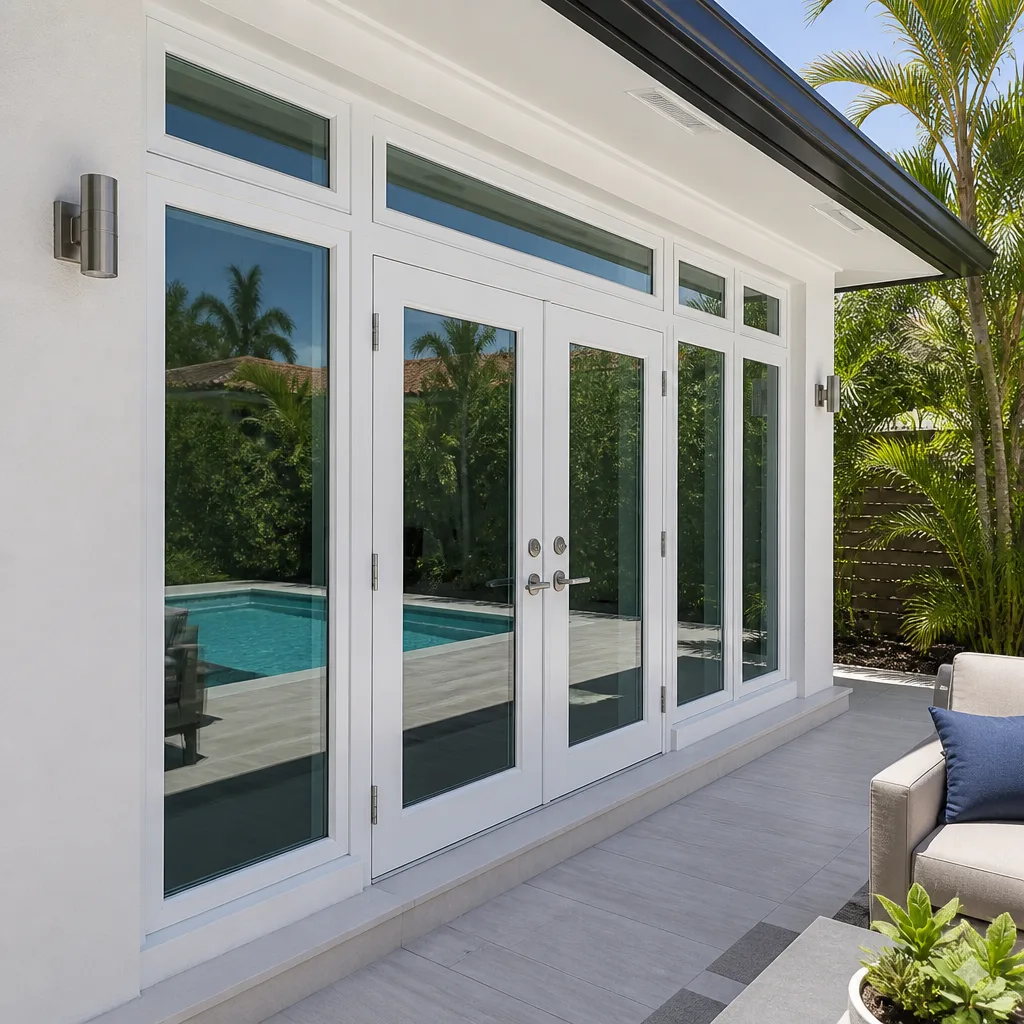 After
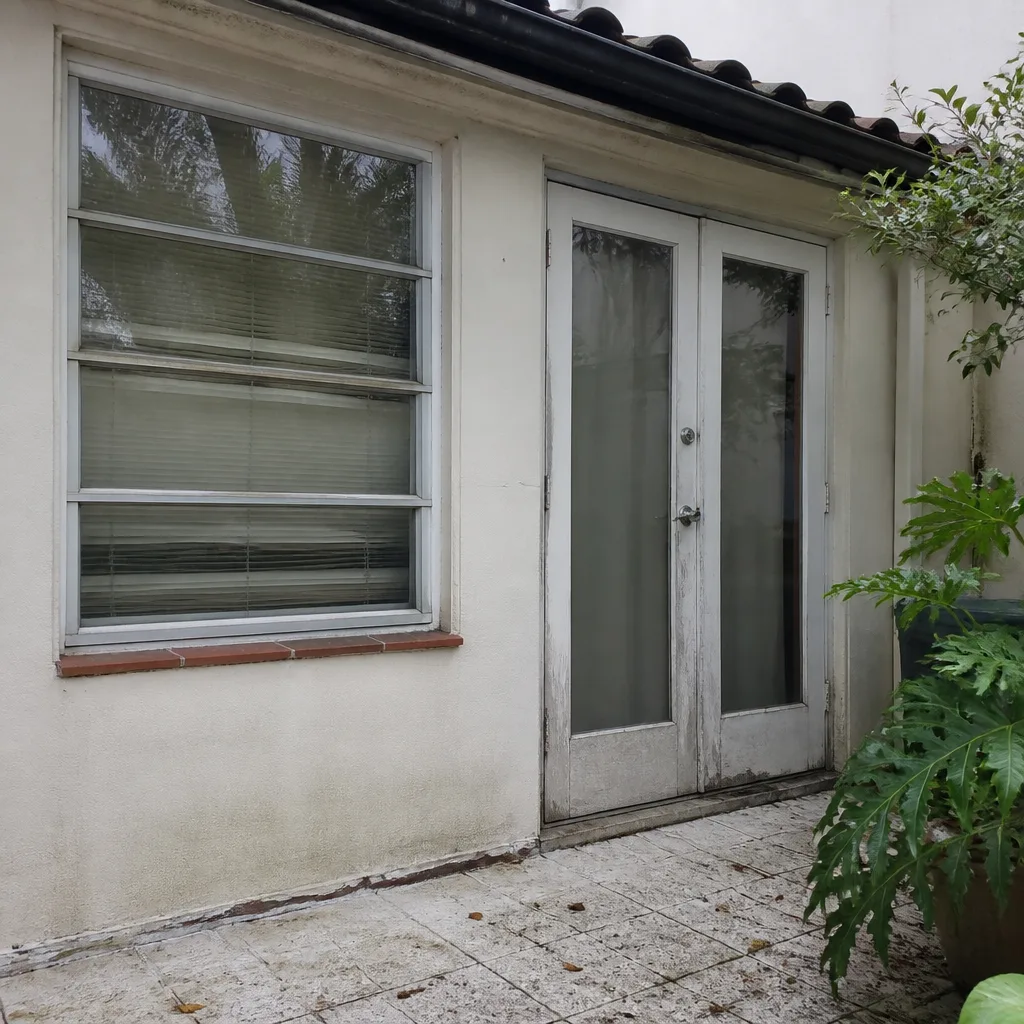 Before
 After
The Complete Guide to Windows & Doors in Miami Beach
Most homeowners in Miami Beach replace their windows and doors once, maybe twice, in a lifetime. That means every decision carries weight, and every mistake stays with the house. A fogged double-pane on a calm sunny day is one thing; a failed impact window during a hurricane warning is something else entirely. This guide walks through what actually matters when choosing, installing, and maintaining windows and doors in Miami Beach: Miami-Dade product approvals, impact ratings, energy codes, material choices, installation standards, and the cost realities homeowners face. We’ve spent years in this trade, and this is the information we wish every customer had before the first estimate.
Quick Answer
Windows and doors in Miami Beach must meet Miami-Dade County’s strict hurricane impact standards under the Florida Building Code, which is among the toughest in the country. Most homeowners spend between $900 and $2,400 per window opening for impact-rated replacement units installed, and $4,000 to $14,000 for a single impact door, depending on size, material, and manufacturer line. The best time to plan replacement is before a storm season rush, not during one, and the right installer registers both warranty layers in writing before leaving the driveway.
Table of Contents
- Understanding Miami Beach Impact Requirements
- Window Material Options for Coastal Homes
- Door Selection: Impact, Material, and Hardware
- What Windows and Doors Actually Cost in Miami Beach
- Installation Standards That Determine Longevity
- Energy Efficiency and the South Florida Climate
- Maintenance and Repair: Extending the Life of Your Investment
- Common Mistakes to Avoid
- When to Call a Professional
- Frequently Asked Questions
- The Bottom Line
Understanding Miami Beach Impact Requirements
If your home in Miami Beach is east of the Intracoastal Waterway, you are in a high-velocity hurricane zone (HVHZ). This is not a suggestion. It is a building code mandate that dates back to Hurricane Andrew in 1992, and it governs every window, door, skylight, and opening on your exterior walls. Miami Beach enforces the Florida Building Code with Miami-Dade County amendments, which requires that any new or replacement window or door carry a Notice of Acceptance (NOA) from Miami-Dade County or a Florida Product Approval from the state. A product approved in Texas or even in Broward County may not pass inspection here.
Impact-rated windows and doors are tested to withstand the impact of a 9-pound 2×4 fired at 50 feet per second, followed by thousands of positive and negative pressure cycles that simulate hurricane wind. The two most common certifications you’ll see are large-missile and small-missile ratings. Large-missile rated products are required for windows and doors lower than 30 feet above grade. That covers nearly every single-family home in Miami Beach. Small-missile ratings apply to upper floors of high-rise buildings. When a contractor tells you a product is “hurricane rated,” ask to see the NOA number. If they cannot produce it, the product will likely fail your permit inspection.
One mistake we see often in Miami Beach is homeowners assuming all impact glass is the same. It is not. There are impact-resistant laminated glass units, and there are systems that combine standard glass with a full-frame anchoring package. Both can be code-compliant if they carry the proper approval, but they perform differently in real storms. We recommend a sandwich of two layers of glass with a polyvinyl butyral (PVB) or SentryGlas interlayer for residential openings. When struck, the glass shatters into a spider web pattern but stays in the frame. The interlayer holds. Water and wind stay out. That is the point of an impact window in a place like Miami Beach, where storm surge and wind-driven rain are as dangerous as the glass itself.
Window Material Options for Coastal Homes
The salt air in Miami Beach punishes certain materials faster than inland Florida. Aluminum and vinyl are the two dominant frames you’ll see. Wood windows exist in some historic district homes, but wood requires constant maintenance against moisture, termites, and UV exposure. Aluminum is strong, structurally rigid, and holds very large impact glass units well. Its weakness is thermal conductivity. In summer, an unbroken aluminum frame radiates heat into the home. Modern thermally broken aluminum solves some of this, but it costs more. Vinyl is a poor conductor, which gives it a natural energy advantage. Vinyl also handles salt spray far better than aluminum, which can pit and corrode over time if not properly finished. For Miami Beach specifically, we lean toward vinyl for most single-family homes and thermally broken aluminum for high-end modern builds where larger glass panels are in play.
Manufacturer lines matter here. Andersen, Pella, and Marvin build reputable products, but not every line within a manufacturer’s catalog is approved for Miami-Dade HVHZ. We’ve installed PGT impact windows in neighborhoods from North Beach to South of Fifth, and their WinGuard line carries the Miami-Dade NOA consistently. Simonton provides a solid mid-range vinyl option with good energy numbers. Jeld-Wen offers impact-rated sliding doors that have held up well in coastal condominium replacements. As an authorized installer for more than a dozen manufacturer lines, we quote side by side on paper so a homeowner can compare glass packages, air infiltration ratings, and design pressure numbers without the marketing language.
What matters most in a coastal window is the design pressure rating, expressed as DP. A DP-50 window is the minimum for most residential openings in Miami Beach under current code. Higher DP ratings mean the window tested to higher wind pressures. A window with a DP-60 or DP-70 rating is not overkill here; it is prudent. The second factor is the air infiltration rating, which affects how much wind-driven rain and humidity seeps through the frame. Lower numbers are better. A third factor is the U-factor and solar heat gain coefficient (SHGC), which we’ll cover in the energy section below.
Door Selection: Impact, Material, and Hardware
Doors in Miami Beach fail in predictable ways. The most common we see is a beautiful solid-core wood door installed without an impact rating, which is not only against code for any door opening on an exterior wall but dangerous. The second is a door rated for impact that was hung out of square, so it binds in the humidity of July and gaps at the corners in January. The third is hardware that wasn’t rated for coastal salt exposure, so hinges begin pitting and handles lose their finish within three years.
When selecting an exterior door, the frame matters as much as the slab. An impact door is only as strong as its anchoring system. In Miami Beach, a properly installed impact door uses a reinforced jamb with heavy-gauge screws that tie the jamb into the structural framing, not just the trim. The threshold must be rated for water, because wind-driven rain will find any opening at the bottom. The glass panel, if present, must carry the same large-missile rating as your windows. For side-lite panels and transom windows, the same rule applies: if it is glass and it is exposed, it is tested.
Sliding glass doors and French doors present different challenges. Sliding doors are popular in Miami Beach condos and mid-century homes because they open interior spaces to water views. But a sliding door’s weakness is the interlocking rail in the middle. On a cheap slider, wind pressure bows the panels and water blows through the meeting stile. On a quality impact slider from a line like PGT or Jeld-Wen, the interlock is engineered to resist that flex. French doors have the opposite issue: the double-door opening concentrates water intrusion at the astragal, the vertical piece where the two doors meet. A proper astragal with dual compression seals resolves most of this. We replace hardware, rollers, and tracks far more often in Miami Beach than inland because the salt air works on moving parts relentlessly.
What Windows and Doors Actually Cost in Miami Beach
Pricing transparency is rare in this industry, so we’ll be direct. Impact-rated windows in Miami Beach run between $900 and $2,400 per opening installed, depending on size, frame material, glass package, and access conditions. A standard single-hung vinyl impact window in a 3-foot by 5-foot opening typically falls in the $900 to $1,400 range. A large fixed picture window with impact glass and a thermally broken aluminum frame can push toward $2,400. Bay windows, specialty shapes, and second-story installations add labor and engineering.
Doors are more variable. A single impact-rated entry door with a standard sidelight starts around $4,000 and runs to $8,000 installed. Impact sliding glass doors start around $6,000 for a two-panel setup and climb to $14,000 or more for larger multi-panel configurations. Custom wood doors with impact glass and premium hardware can exceed $20,000. These are not manufactured numbers for the cheapest bid. They represent the real cost of code-compliant product, permit, professional installation, and warranty registration in Miami Beach.
Here’s what you’re paying for, line by line:
- Product: The window or door unit itself, including glass package, frame, and hardware. Impact glass typically adds 30-50% over non-impact of the same size.
- Permit and inspections: Miami Beach requires a building permit for window and door replacement. Permit fees vary by job scope, but expect $200 to $800 depending on the number of openings. An inspection after installation is mandatory.
- Labor and disposal: Removal of old units, hauling, installation, flashing, caulking, and interior trim repair. This is where quality differences show. A two-person crew taking one day on three windows is not the same as a one-person crew doing the same in a morning.
- Warranty registration: Both manufacturer warranty layers need registration. A contractor who does not register the manufacturer warranty means the homeowner has no standing to claim if the glass fails in year three. We register both layers in writing before we leave the driveway. That is the Keystone Standard.
- Finish materials: Caulk, flashing tape, fasteners, shims. In a salt-air environment, using the proper exterior-grade materials prevents water intrusion and frame rot. Cheap caulk fails in two Miami Beach summers.
For homeowners weighing costs, remember that wood window replacements without impact certification are not allowed in most Miami Beach homes. Painting old single-pane windows may be cheaper this year, but when a storm comes, untested windows are the first openings to fail. Insurance companies also look at your windows. Many homeowners in Miami Beach have seen wind mitigation credits for impact-rated windows and doors that reduce annual premiums. The savings accumulate.
Installation Standards That Determine Longevity
A window is only as good as the hole it’s set in. We measure every opening twice, and we do not trim the numbers to fit a stock unit when the rough opening is out of square. In Miami Beach, concrete block walls are common in mid-century construction. Wood framing appears in newer builds and in certain historic districts. Each material requires different anchoring and flashing. A contractor who installs the same way on concrete block as on wood framing is a contractor who has already told you everything you need to know.
The critical steps for a code-compliant, long-lasting installation:
- Remove and inspect: Take out the old window or door and inspect the rough opening for rot, termite damage, or compromised masonry before setting anything new.
- Correct the opening: Repair, square, or rebuild the rough opening as needed. A window set into a rotted opening will fail from the frame out, no matter how good the product is.
- Flash the sill: Install a pan flashing at the base of the opening that directs any water that gets behind the wall toward the exterior weep system, not into the house.
- Set the unit and shim correctly: Shims go behind hinges and at anchor points, never kicked in to force a panel square that isn’t.
- Anchor per NOA requirements: Use the fastener pattern specified by the product approval, not whatever screw is on hand. In concrete, that means tapcons or sleeve anchors at specified intervals.
- Seal and finish: Apply exterior-grade sealant at the perimeter, replace interior trim, and leave the opening clean. If sealant is smeared or missing, water finds it within two years.
We also coordinate the permit and inspection. In Miami Beach, a failed inspection stalls the entire project and leaves a home exposed. We pull permits, schedule the inspection, and make sure the inspector can see the approved tags on every unit. If something is not right, we address it before the inspector flags it. That is the difference between a job done once and a job done twice.
Energy Efficiency and the South Florida Climate
Miami Beach homes fight humidity more than cold. The cooling load dominates the year, and windows are the largest source of solar heat gain in most rooms. The right glass package can cut that gain substantially. Two measurements matter: U-factor and solar heat gain coefficient (SHGC). U-factor measures how well the whole window resists heat flow; lower is better. In south Florida, you want a U-factor of 0.50 or lower. SHGC measures how much solar radiation passes through the glass; lower is better for cooling-dominated climates. A SHGC of 0.25 or below is the number to target for unobstructed west-facing windows in Miami Beach.
Low-E coatings are standard on quality impact glass. The “E” stands for emissivity, and the coating reflects infrared heat while allowing visible light through. This is not a tint. A good low-E impact window on a North Beach home with east-facing exposure will cut solar heat gain noticeably compared to clear glass from the 1980s. The cost difference on the front end is modest. The energy savings over ten to fifteen years, combined with reduced condensation, makes it the right call in a climate where the air conditioner runs nine months out of the year.
Doors matter too. A sliding glass door facing the water lets in light and heat together. The same low-E coatings available in windows are available in sliding door glass. We’ve replaced enough original 1960s sliders in Miami Beach to know that modern impact sliders with low-E glass change the temperature of an entire room. Homeowners also underestimate the role of weatherstripping and threshold seals. A door that leaks air leaks cooled air, and the gap at the bottom of an old door is effectively a small window that never closes.
Maintenance and Repair: Extending the Life of Your Investment
Windows and doors in a salt-air environment require regular attention. The good news is that the maintenance is simple. The bad news is that skipping it for five years creates repair bills that could have been avoided. We recommend two inspections per year in Miami Beach: once before hurricane season starts in June, and once after the season ends in November. Look for signs of corrosion on hardware, fogging between glass panes from a failed seal, water staining around interior trim, and cracked or peeling perimeter caulk.
For moving parts, a small amount of marine-grade lubricant on rollers, tracks, and hinges once a year goes a long way. Do not use WD-40 on sliding door tracks; it attracts dirt and salt. Use a silicone-based spray. For vinyl or aluminum frames, wash with mild soap and water twice a year to remove salt film. Salt film is not just cosmetic. It retains moisture against hardware and can accelerate corrosion on aluminum over time. In Miami Beach, rust on exposed metal hardware is not a question of if, but when. The intention is to push the when far enough out that the door wears out mechanically before the hardware fails.
Seal failures are the most common repair performed on impact windows in Miami Beach. A failed seal shows up as fog between the glass panes that will not wipe away. In most cases, the insulated glass unit (IGU) can be replaced without replacing the frame. The cost runs between $250 and $700 per IGU, depending on size and glass type. If the frame is still square and the hardware still functions, replacing the IGU restores clarity and energy performance. We offer a maintenance check for windows and doors in Miami Beach, and a free written repair estimate. The work is done right on the first visit, which matters when the problem is a door that is already binding or a window that leaked during the last storm.
Common Mistakes to Avoid
- Buying non-impact windows in Miami Beach. It is against code for most exterior openings, and when a permit inspector catches it, the homeowner pays to do the job twice. More important, non-impact windows offer no protection in a storm.
- Hiring an installer who doesn’t handle permits. Window and door replacement requires a permit in Miami Beach. A contractor who tells you to pull it yourself or skip it is asking you to accept liability for their work.
- Choosing the lowest bid without comparing product specs. Two windows can look identical and carry very different design pressure ratings, glass packages, and warranty coverage. Ask for the NOA number on every unit.
- Skipping warranty registration. Manufacturer warranties are not automatic. If the installing company does not register the product with the manufacturer in writing, the homeowner has no claim when something fails. We register both warranty layers before the technician leaves the driveway.
- Replacing a window into a rotted opening. Patching the opening is not a shortcut; it is the foundation of the job. Setting a new unit into a compromised frame means paying twice when the wall rots further.
- Using interior-grade caulk on exterior seals. Miami Beach sun and salt degrade cheap sealants quickly. Exterior-grade, UV-resistant caulk is the only material that belongs on a window or door perimeter.
- Waiting until a storm warning to schedule installation. Product lead times stretch during hurricane season, and installation slots fill quickly. The time to replace windows and doors in Miami Beach is before the season, not during it.
When to Call a Professional
Some window and door issues are obvious. A crack in impact glass means the unit’s structural integrity is compromised and it needs replacement. A door that binds in summer, air that moves around the edges, or a window that fogs permanently are all signs the opening has failed. Other signs are subtler: a caulk line pulling away from the frame, water staining on interior drywall below a window, or a latch that requires force to engage. If you see any of these, the problem is likely worse behind the wall than in front of it. Replacing a window or door in Miami Beach involves weather barriers, structural fastening, and code compliance. The work should be done by someone who has done it hundreds of times, on the same block styles, under the same wind loads. TruePane Windows & Doors offers free estimates in Miami Beach. Call (386) 406-9359 and we’ll put a number in front of you that means something.
Frequently Asked Questions
Impact-rated windows in Miami Beach typically cost $900 to $2,400 per opening installed, depending on size, frame material, and glass package. A standard single-hung vinyl impact window in a 3-foot by 5-foot opening usually falls between $900 and $1,400 installed. A large picture window or specialty shape pushes toward the top of the range. Call (386) 406-9359 for an exact quote on your home, and we’ll provide a written line-item estimate.
Yes, replacement windows and doors in Miami Beach must carry a Miami-Dade County Notice of Acceptance (NOA) or Florida Product Approval for impact resistance. This applies to homes east of the Intracoastal Waterway in the high-velocity hurricane zone, which covers nearly all of Miami Beach. A product from outside Florida may not meet the standard, so verify the NOA number before you buy.
Quality impact windows in Miami Beach typically last 25 to 35 years, though the insulated glass seal can fail earlier in salt-air conditions. Frames from reputable manufacturers like PGT, Simonton, and Jeld-Wen hold up well when installed correctly. The most common repair before full replacement is an IGU swap, which restores clarity and energy performance for a fraction of the cost of a new window.
Large-missile rated products are tested to withstand a 9-pound 2×4 fired at 50 feet per second, simulating wind-borne debris in a hurricane. They are required for windows and doors under 30 feet above grade, which covers nearly every home in Miami Beach. Small-missile rated products are tested against smaller projectiles and are generally only permitted on upper floors of high-rise buildings.
Yes, if the frame is in good shape and the only issue is a failed seal or cracked outer pane, the insulated glass unit can be replaced without removing the frame. Replacement IGU costs in Miami Beach run between $250 and $700 per unit depending on size and glass type. TruePane offers a free written repair estimate. Call (386) 406-9359 to schedule a look at the window.
Many homeowners in Miami Beach qualify for wind mitigation credits on their insurance when they install impact-rated windows and doors. The savings vary by carrier and policy, but over time, impact windows can reduce premiums enough to offset a meaningful portion of the installation cost. Your insurance agent can provide the exact credit details after the installation with the NOA documentation.
The Bottom Line
Windows and doors in Miami Beach are a structural investment, not a cosmetic one. The product must carry Miami-Dade approval. The installation must follow the approved anchoring pattern and pass inspection. The warranty must be registered in writing. And the company behind the work should still be there in ten years if something goes wrong. TruePane Windows & Doors home is built for exactly that. If you’re in Miami Beach and thinking about windows or doors, call (386) 406-9359 for a free estimate. We’ll measure twice, quote side by side, and stand behind the work in writing.
Written by the team at TruePane Windows & Doors.
Six Reasons Homeowners Choose TruePane Windows & Doors
Impact systems engineered to design pressures up to +/-100, matched to your wind zone - your openings hold when the storm arrives.
Low-E insulated impact glass from our manufacturer lines commonly cuts monthly cooling bills 20-30%.
Laminated impact glass shuts out up to 40% of outside noise - traffic, neighbors, weather.
Monitoring services run $30-90 a month. Laminated impact glass resists forced entry around the clock, with no subscription.
Florida homeowners average around 25% savings on the windstorm portion of their policy after protecting every opening - some homes qualify for more.
A full impact package upgrades curb appeal, buyer confidence and appraised value in one project.