
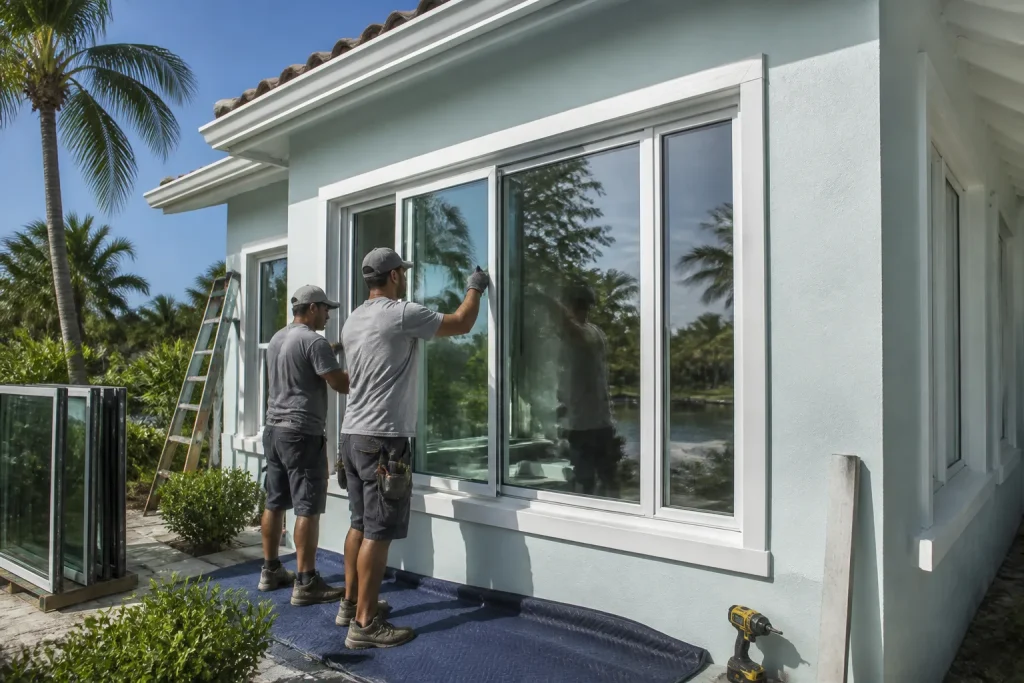
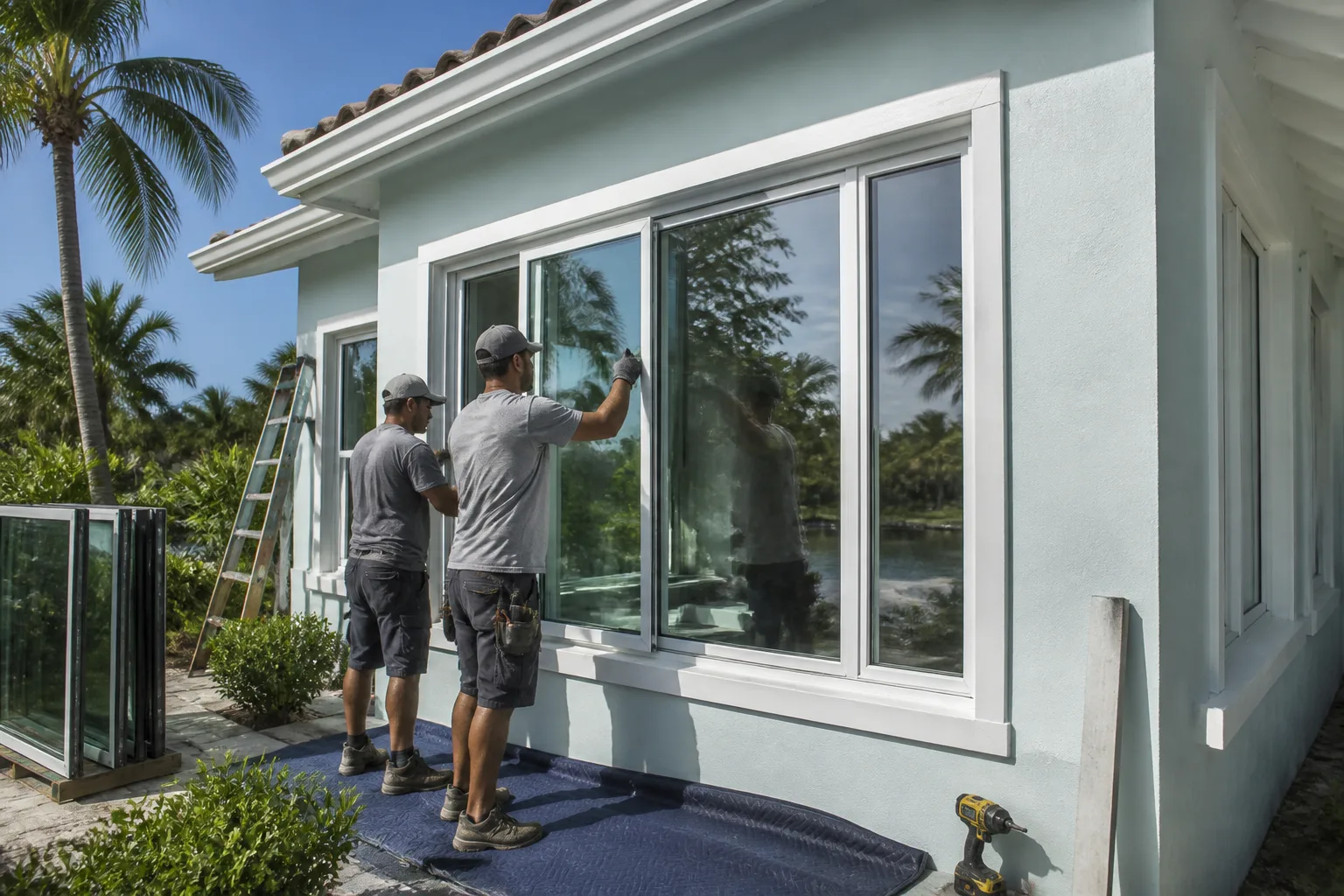
Andersen Window Installation in Miami Beach: A Homeowner’s Guide
Andersen window installation in Miami Beach typically runs $180 to $400 per window for labor alone, depending on whether the opening is wood-frame or CBS block. The bigger cost driver is rarely the window itself - it’s whether the installer understands Miami-Dade NOA requirements and salt-air flashing specifications before the first screw goes in. Most failed Andersen installs we see on this barrier island are not product failures; they’re installation failures that voided the manufacturer warranty before the first storm season ended. If you’d rather not sort through the details on your own, call (386) 406-9359 and we’ll walk you through it.
The Warranty Clause Most Miami Beach Homeowners Never Read
Andersen’s limited warranty is a solid document, but it contains language that matters more on this island than in Minneapolis. The warranty excludes coverage for corrosion, seal failure, and hardware degradation caused by “improper installation in high-salt environments.” Miami Beach is, by definition, a high-salt environment. What that means in practical terms: if the installer uses the wrong flashing tape, the wrong sealant chemistry, or skips a step that Andersen’s generic guide treats as optional, you own the problem, not Andersen. We’ve pulled failed Andersen sashes out of oceanfront condos where the mullion seal had disintegrated within eighteen months because the installer used a standard polyurethane sealant instead of a marine-grade hybrid formula. The window was fine. The installation was not. And the homeowner learned the difference at replacement cost.
This is why we register both warranty layers in writing on every Andersen job before the truck leaves the driveway. The manufacturer product warranty covers defects in the unit. The installer workmanship warranty covers what happens at the rough opening. If either one exists only as a verbal assurance, you do not have a warranty. You have a hope.
Why Miami-Dade NOA Changes Which Andersen Series You Can Actually Install
Miami Beach sits inside the High Velocity Hurricane Zone, which means every window installed here must carry a Miami-Dade County Notice of Acceptance, or NOA. Here’s what the product brochures don’t tell you: not every Andersen series qualifies for coastal hurricane zone compliance without specific hardware upgrades. The Andersen 100 Series and 200 Series are excellent windows, but they are not automatically NOA-approved for Miami Beach exposure categories. The Andersen 400 Series and E-Series lines can meet Miami-Dade requirements, but only with specified impact glazing, reinforced frames, and the correct anchoring schedule.
In our experience, this is where a lot of homeowners get burned by a low bid. The installer quotes an Andersen unit that does not carry an NOA for the home’s wind-load zone, installs it anyway, and then the owner fails a re-roof inspection or an insurance wind mitigation survey. The fix is not a tune-up. The fix is pulling the window out and starting over with the correct product line. We’ve also worked with homeowners who specifically want alternatives like window installation in Miami Beach using PGT or CGI units, which are engineered from the start for the HVHZ and often carry cleaner NOA paths than retrofit Andersen solutions. The point is not that one brand is better than another. The point is that the brand must match the code path, and the installer should show you the NOA number in writing before you sign anything.
Salt-Air Flashing and Sealant Specs: What Actually Holds at Oceanfront Exposure
Andersen’s standard installation guide calls for quality flashing tape and a continuous bead of exterior sealant. That generic guidance is not wrong, but it is incomplete for Miami Beach. The salt aerosol load on the east side of this island will attack standard flashing materials within two to three years. The sealant joint that works in Tampa will fail here much faster. What holds up at oceanfront exposure is a marine-grade butyl flashing tape with a minimum 20-mil thickness, a stainless steel or PVD-coated fastening schedule, and an exterior sealant that is either a high-performance hybrid polymer or a neutral-cure silicone rated for continuous salt immersion.
We’ve learned this the slow way over 42 years of working coastal South Florida, and we apply it to every Andersen install we do east of Alton Road. The caulk chemistry matters as much as the window itself. Ask any installer who quotes you an Andersen job in Miami Beach one question: what sealant are you using, and is it rated for continuous salt exposure within 500 yards of the ocean? If the answer is a blank stare, keep looking.
The Rough Opening Inspection: What Older Miami Beach Construction Requires
Miami Beach housing stock splits into two rough-opening realities, and each one demands a different installation approach. Pre-1960 wood-frame construction moves. The framing expands and contracts with humidity, and the rough openings are rarely square after sixty years of settling. Post-1960 CBS block construction is rigid, which sounds easier, but block openings introduce their own problem: the anchoring substrate is brittle, and over-torqued fasteners crack the block and compromise the very seal you are trying to create.
The correct pre-installation inspection for an Andersen unit in Miami Beach starts with measuring every opening twice - diagonal both ways, not just width and height - to catch out-of-square conditions before the window arrives. On wood-frame openings, it checks the sill for rot and the king studs for termite damage before any flashing goes in. On CBS block, it checks for spalling, checks the depth of the block face, and confirms the anchor schedule that matches the NOA. We pulled one Andersen picture window out of a 1950s ranch over in Normandy Isle last month where the previous installer had shimmed a half-inch out-of-square opening with cedar shims and called it good. The sash bound within a year, the seal failed in two, and the homeowner had been fighting fogged glass ever since. A proper rough opening inspection would have caught that in fifteen minutes.
This inspection is also the moment to address any window replacement in Miami Beach scope questions: is the existing framing sound enough to receive the new unit, or does the opening need reframing before the Andersen goes in? That answer changes the bid, and it is better to hear it before demolition than after.
Post-Installation Paperwork: Confirming You Actually Have What You Paid For
After the installers clean up and the truck pulls away, you should hold three documents in your hand. First, the Miami-Dade inspection record showing the unit passed the final inspection under the correct NOA. Second, the manufacturer warranty registration from Andersen, with the unit serial numbers listed and the coverage duration stated in writing. Third, the installer workmanship warranty, also in writing, with the term stated plainly. If any of those three is missing, you do not have a completed job - you have a liability waiting for the next hurricane season.
We register both warranty layers on every Andersen job under The Keystone Standard before the truck leaves the driveway. The manufacturer warranty gets filed with Andersen. The workmanship warranty gets handed to the homeowner on paper. There is no “we’ll email it later.” Later is how warranties get lost. If a homeowner calls us three years from now with a fogged seal and no paperwork, we still stand behind the work - but with the paperwork, there is no conversation to have at all. The document says what it says, and we honor it. That is the whole point of TruePane Windows & Doors home service: put it in writing, register it, and stand behind it.
When to call a pro: the moment the rough opening inspection turns up anything structural, the moment an NOA number cannot be produced, or the moment the installer talks vaguely about “using the right stuff” without naming materials. Andersen makes a window worth installing correctly, but the installer owns the details in Miami Beach. That’s the honest truth.
Related services in Miami Beach: if your project involves an entry or patio door adjacent to the window scope, door installation in Miami Beach carries the same NOA and flashing requirements, and it is worth coordinating both scopes at once so the envelope details match.
Key Takeaways
- Andersen installation labor in Miami Beach runs roughly $180 to $400 per window, but the real risk is warranty voidance from salt-air or NOA mistakes, not the unit cost.
- Not every Andersen series meets Miami-Dade NOA requirements. Confirm the specific model, glazing, and hardware package against the home’s wind-load zone in writing.
- Oceanfront exposure demands marine-grade flashing tape and hybrid polymer or neutral-cure silicone sealant, not standard builder-grade materials.
- The rough opening inspection must be done twice-measure diagonal both ways, and check for rot, termite damage, or block spalling before install.
- Both warranty layers - manufacturer product coverage and installer workmanship coverage - must be registered in writing before the installer leaves the driveway.
The Bottom Line
Andersen makes a quality window, but Miami Beach installs it on hard mode: salt air, hurricane code, and older construction that does not forgive shortcuts. The difference between a window that lasts twenty years and a window that fogs in two is whether the installer knows the local rules and writes everything down. If you’re in Miami Beach and want the job done right, TruePane Windows & Doors offers free estimates. Call (386) 406-9359 and we’ll walk you through the options with both warranty layers in writing before any work begins.
Frequently Asked Questions
Labor for Andersen window installation in Miami Beach typically runs $180 to $400 per window, with impact-rated and NOA-approved units pushing the total installed price higher. Salt-air flashing upgrades and CBS block anchoring add to the scope. The full installed cost depends on the window series, opening condition, and whether the opening needs reframing. Call (386) 406-9359 for an exact quote - estimates are free.
No. Miami Beach sits in the High Velocity Hurricane Zone, and the unit must carry a Miami-Dade NOA that matches the home’s wind-load zone and exposure category. Some Andersen series require specific impact glazing and reinforced frame packages to qualify. Confirm the NOA number in writing before the install begins.
Not if the installation is deemed improper for a high-salt environment. Andersen’s warranty excludes corrosion and seal failure caused by improper installation in high-salt conditions. The installer’s workmanship warranty is what covers installation errors, and that warranty must be in writing with the duration stated. Call (386) 406-9359 to have us review what you’re being offered.
Most single-window Andersen installs in Miami Beach take one day, including the rough opening inspection, flashing work, unit set, interior trim, and cleanup. Multi-window or CBS block retrofit jobs can run longer, especially if inspection scheduling or reframing comes into play. We’ll give you a written timeline at the estimate so there’s no guessing.
Written by Dale Kessler, Owner at TruePane Windows & Doors, serving Miami Beach since 2008.
Need Windows & Doors Help?
Call TruePane Windows & Doors - licensed & insured, here with fast after-hours help in Miami Beach.
(386) 406-9359