
Last updated August 25, 2026
Free in-home measure and quote - PGT, CGI and CWS impact lines compared on your actual openings, style by style
Sliding glass doors
Impact garage doorsPGTCGI
 Before
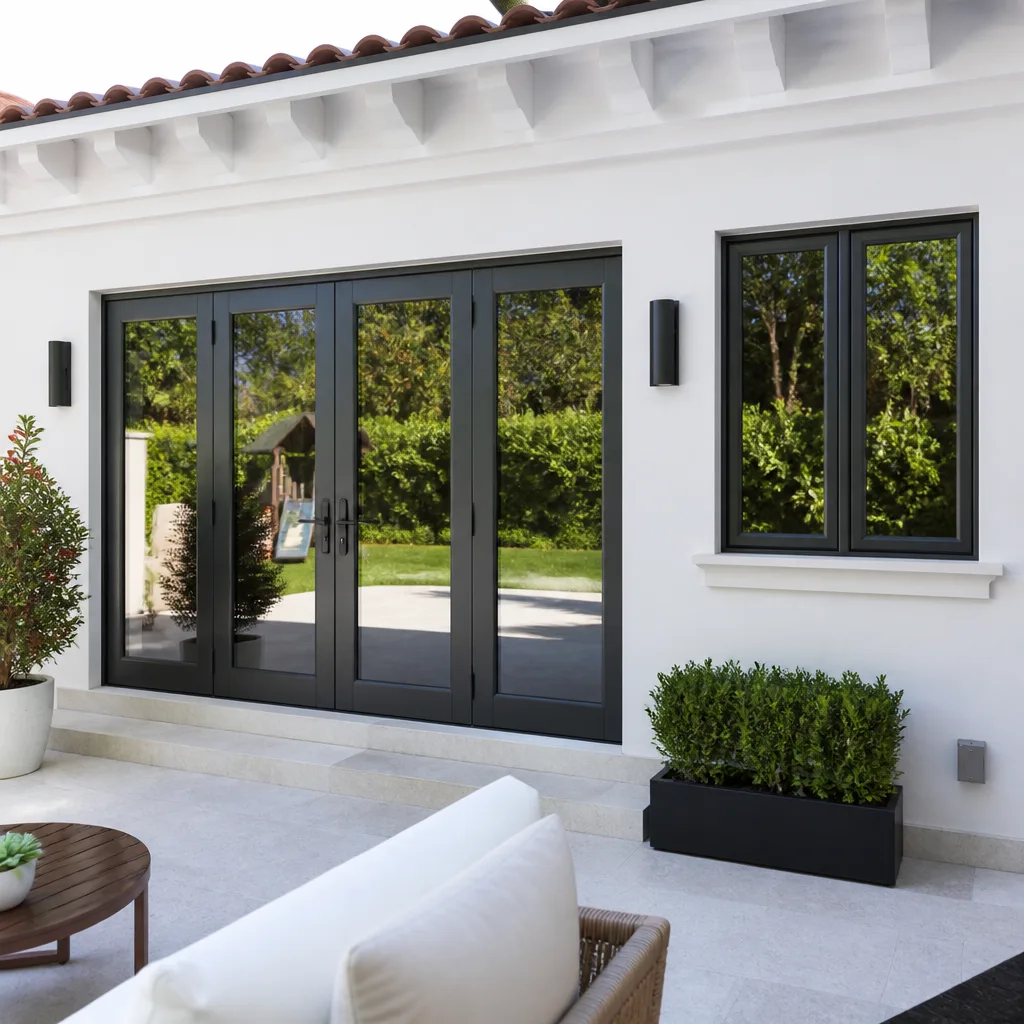 After
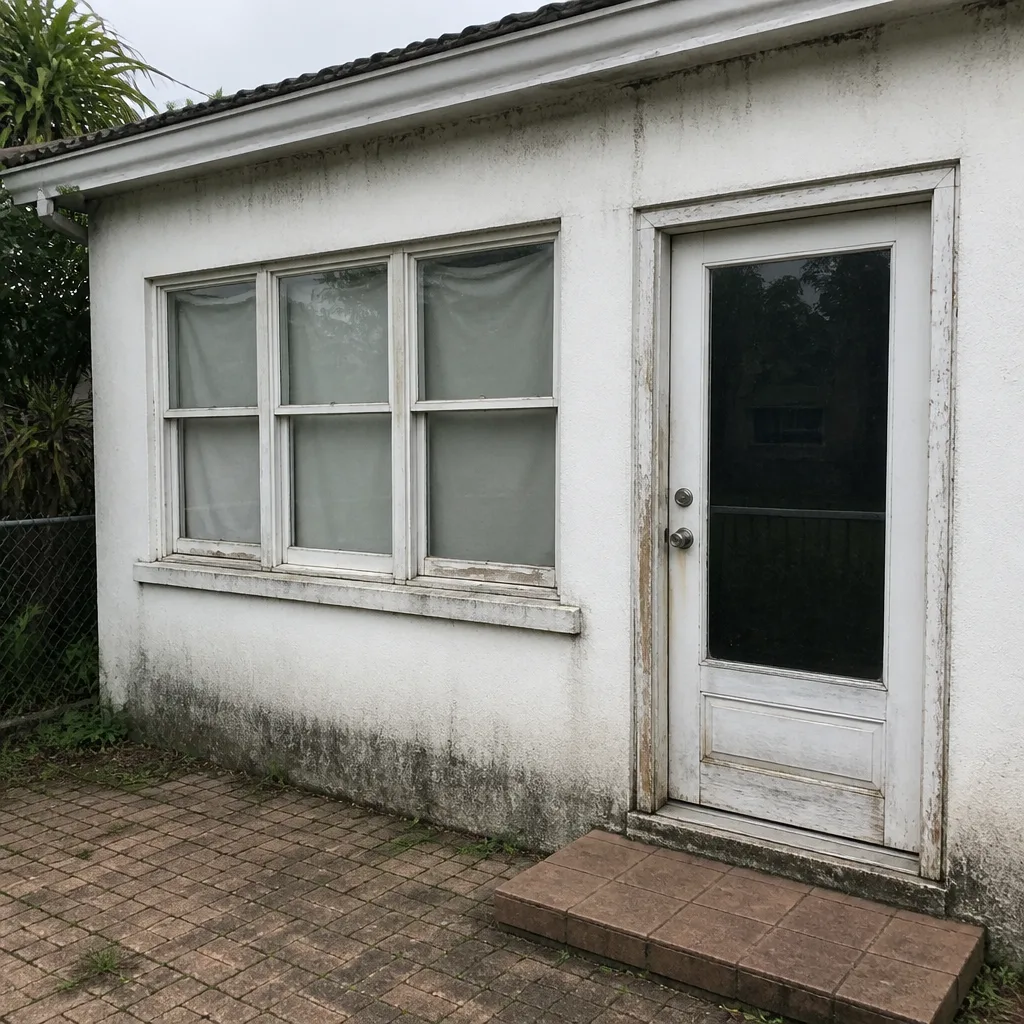 Before
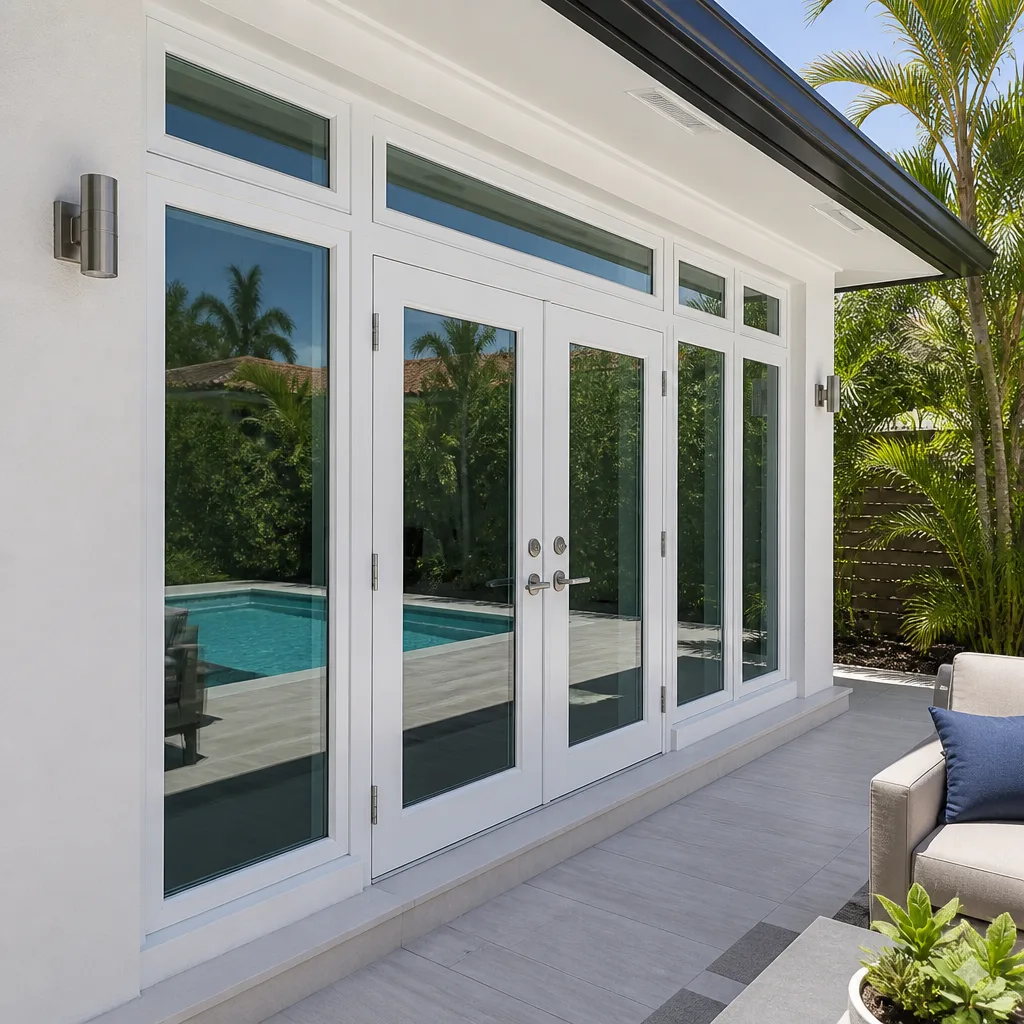 After
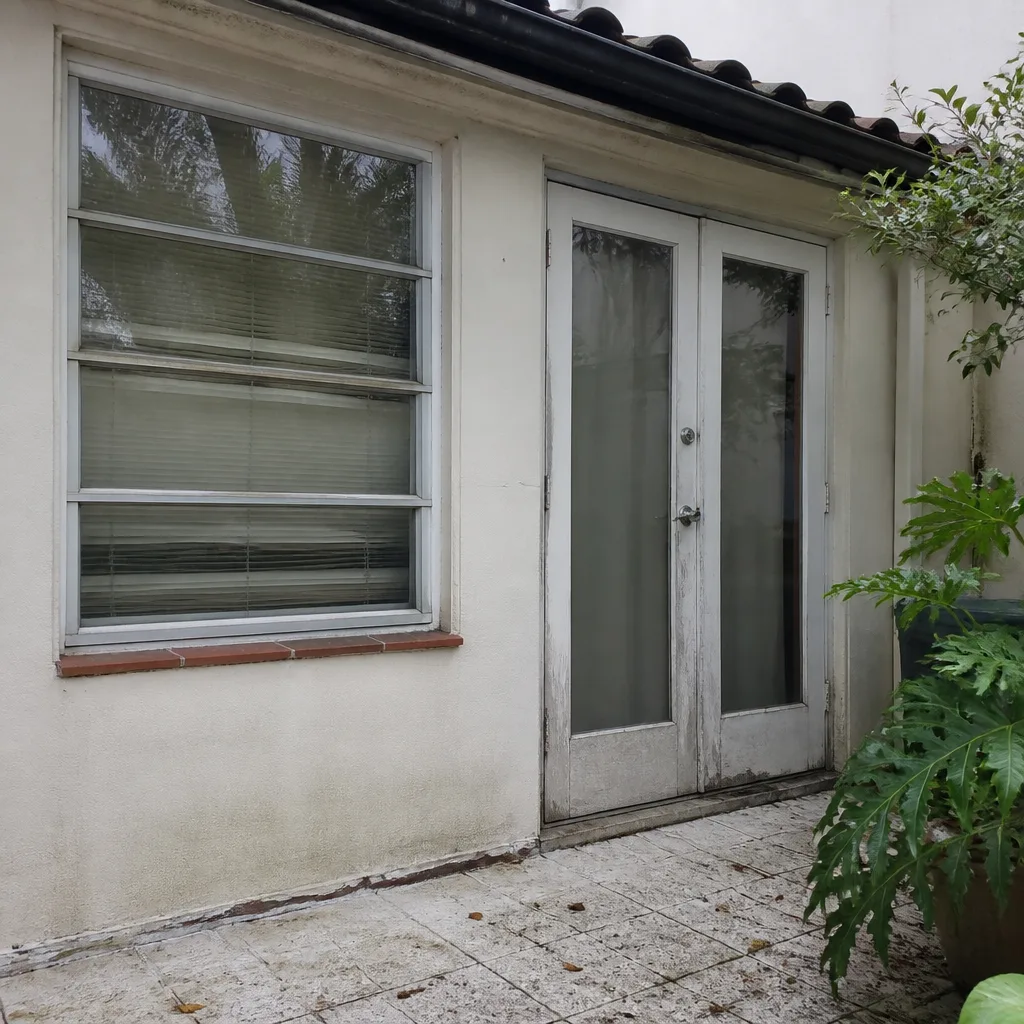 Before
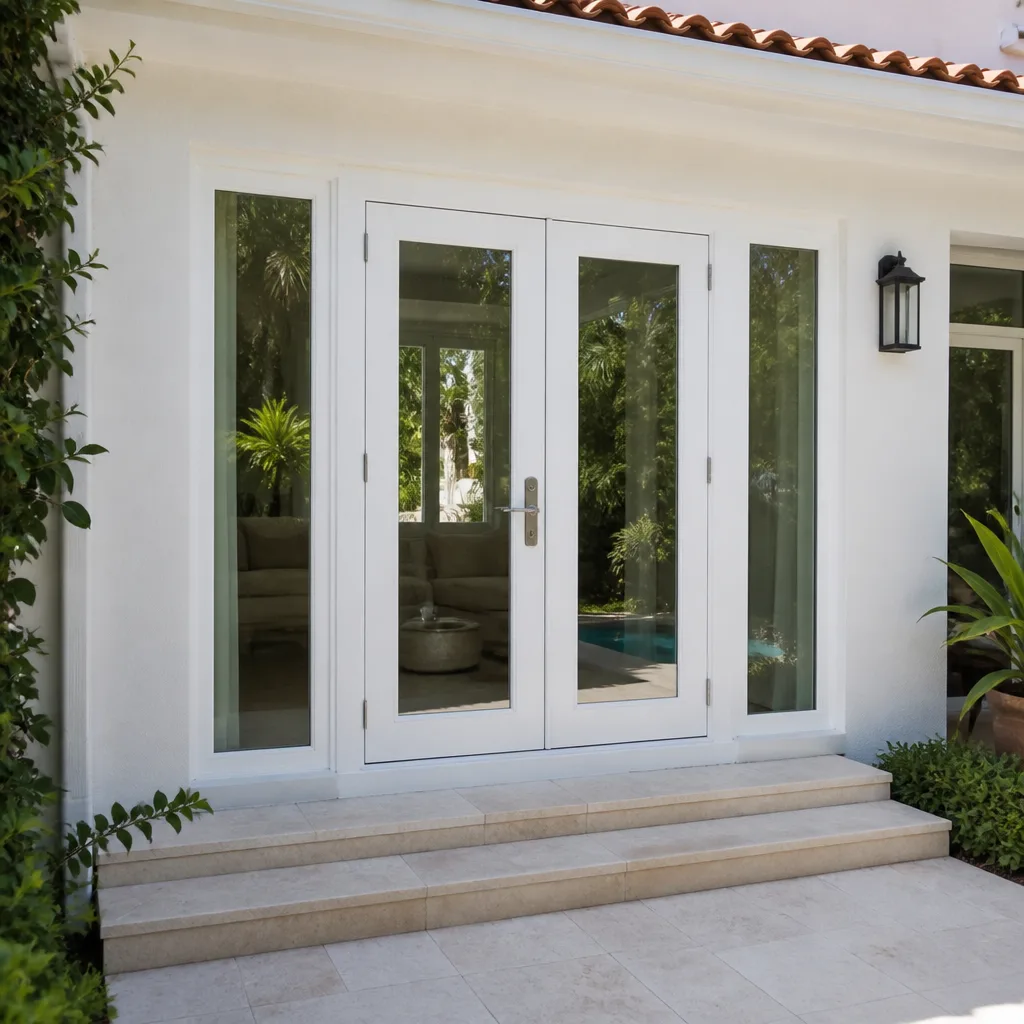 After
Windows & Doors Permits, Codes & Inspections in FL: What You Need to Know
Most Florida homeowners don’t realize their window replacement could be illegal until the inspector shows up and red-tags the job. Roughly one in four window and door replacements in Miami Beach and surrounding coastal communities was permitted incorrectly at some point, and the fix is rarely as simple as signing a form. This guide covers Florida’s building code requirements for windows and doors, when you need a permit, what inspectors look for, what it costs, and what happens when the work isn’t done right. You’ll finish with a clear understanding of how to protect your home, your insurance rate, and your resale value.
Quick Answer
In Florida, replacing windows and doors requires a building permit in nearly every municipality, including Miami Beach. The work must meet the Florida Building Code (FBC), with high-velocity hurricane zone (HVHZ) requirements applying to Miami-Dade and Broward counties, and inspections are mandatory before the job is closed out. Skipping the permit can void your homeowner’s insurance, block a future sale, and leave you paying to redo the work.
Table of Contents
- When Permits Are Required for Windows and Doors
- Florida Building Code Requirements for Windows and Doors
- Impact Windows and HVHZ Requirements
- The Permit Process Step by Step
- What Inspectors Look For
- Permit and Inspection Costs in Florida
- Common Mistakes to Avoid
- When to Call a Professional
- Frequently Asked Questions
- The Bottom Line
When Permits Are Required for Windows and Doors
If you’re swapping an existing window or door for a new unit the same size, in the same opening, Florida law still requires a building permit in virtually every jurisdiction. The state’s building code treats window and door replacement as structural work, not cosmetic work. That means Miami Beach, Surfside, North Beach, and every other municipality in the state will ask for a permit before the first pane comes out.
The logic is straightforward. Windows and doors are part of the building envelope. They keep water out, they resist wind pressure, and in a hurricane zone, they’re your first line of defense against flying debris. A window that’s not anchored correctly can pull out of the wall at 120 mph. A door that’s not flashed correctly rots the subfloor in three years. The permit process exists so a second set of eyes verifies the work.
Here’s what triggers a permit in Florida:
- Replacing any window or door, even a like-for-like swap
- Enlarging or cutting a new opening
- Converting a window to a door or a door to a window
- Installing impact glass or hurricane shutters as a retrofit
- Repairing structural framing around an opening
- Replacing a sliding glass door with French doors or vice versa
The only common exception is replacing glass only, without removing the frame. If the sash is broken but the frame stays, that’s usually a repair, not a replacement. But once the frame comes out, the permit is triggered. In our experience, homeowners who try to argue this with the building department lose every time.
Miami Beach has its own building department and its own inspectors. The city follows the Florida Building Code but adds local amendments. For example, Miami Beach requires product approvals for every window and door installed, with the approval number listed on the permit application. If the product approval doesn’t match the unit being installed, the permit gets rejected before the work ever starts.
Florida Building Code Requirements for Windows and Doors
The Florida Building Code (FBC) sets minimum standards for every window and door installed in the state. The current edition is the 8th Edition (2023), which took effect December 31, 2023. If your permit was pulled before that date, the 7th Edition (2020) applies. The edition that governs your project is the one in effect on the date your permit application is submitted.
For windows and doors, the code focuses on four things:
Design Pressure Rating
Every window and door in Florida must carry a design pressure (DP) rating, which measures how much wind force the unit can withstand before failing. Miami Beach sits in a high-velocity hurricane zone, so the minimum DP rating here is higher than in Orlando or Tampa. A window that’s legal in Gainesville can be illegal in Miami Beach. The specific rating depends on your building’s height, exposure, and location relative to the coast. A single-family home in North Beach needs a different rating than a condo tower on Collins Avenue.
Impact Resistance or Shutter Protection
In the HVHZ, every exterior opening must either be impact-resistant glass or be protected by an approved shutter system. Impact-resistant units are tested to withstand a 9-pound 2×4 fired at 34 mph without penetration. If you’re not using impact glass, the shutters must meet the same standard. This isn’t optional. It’s state law, and insurance companies verify it before they’ll write or renew a policy.
Energy Performance
The FBC sets minimum thermal performance standards for windows and doors. This is measured by U-factor and solar heat gain coefficient (SHGC). Miami Beach falls in Climate Zone 1, so the standards are strict. Low-E glass is effectively mandatory for new installations, and single-pane aluminum frames, the old standard in 1960s-era Miami Beach condos, no longer meet code for new work.
Structural Anchorage
The code specifies how windows and doors must be anchored to the building structure. In concrete block and concrete construction, which dominates Miami Beach, that means specific fasteners at specific intervals. The manufacturer’s installation instructions are part of the code. If the manufacturer says a specific anchor pattern, that’s what the inspector will check.
Impact Windows and HVHZ Requirements
Miami-Dade County and Broward County sit inside the High-Velocity Hurricane Zone, the strictest building code enforcement area in the United States. Miami Beach is fully inside that zone. The rules here go well beyond what the rest of Florida requires.
HVHZ requirements were written in the aftermath of Hurricane Andrew in 1992. Andrew flattened entire neighborhoods in south Miami-Dade, and the forensic investigation that followed found that most of the destruction started with a single window failure. Once a window broke, wind pressure entered the house, lifted the roof, and the rest of the house followed. The building code was rewritten explicitly to address that failure chain.
Here’s what HVHZ compliance means for a window or door in Miami Beach:
- The unit must be tested and approved by Miami-Dade County’s Product Control Division, with a Notice of Acceptance (NOA) on file
- The NOA number must appear on the permit application and match the exact product being installed
- Impact glass must pass the large missile impact test and the cyclic wind pressure test
- Non-impact units require an approved opening protection system, and you must be able to produce documentation of that system during an inspection
- Installation must follow the manufacturer’s Miami-Dade-specific installation instructions, not generic instructions written for the national market
PGT, one of the largest impact window manufacturers in the state, produces units specifically designed for the HVHZ, and their NOAs cover the full product line. But the NOA is only valid if the installation method matches the tested method. We’ve seen inspectors fail jobs where the window was correct but the anchoring pattern didn’t match what the NOA specified.
What This Means for Insurance
Florida insurance companies offer premium discounts for homes with impact windows or documented shutter protection. The discount in Miami Beach can run 20-40% off the windstorm portion of your premium. But the insurance company requires documentation. You’ll need the permit record and the final inspection approval. If the work wasn’t permitted, the discount doesn’t exist, and in the worst case, a future claim can be denied because the home had unpermitted modifications.
The Permit Process Step by Step
Here’s what actually happens when you permit a window or door replacement in Miami Beach, from the first phone call to the final signature.
- Pull the product approvals. Every window and door you plan to install needs a Miami-Dade NOA, and you’ll need a copy of each one for your permit application. Your contractor should provide these. If they can’t produce an NOA for the unit they want to install, that’s a red flag.
- Submit the permit application. In Miami Beach, permit applications go through the city’s e-permitting portal or in person at the building department on Convention Center Drive. The application includes the product approvals, a scope of work describing the openings being replaced, and the contractor’s license information.
- Pay the permit fee. Fees are calculated based on the valuation of the work. We’ll cover specific numbers in the next section.
- Wait for plan review. Most window and door replacements go through a streamlined review process, but if you’re changing opening sizes, adding new openings, or working in a historic district, the review takes longer. Miami Beach has specific historic preservation requirements for buildings in the Art Deco District and other protected areas.
- Pull the permit and schedule the work. Once the permit is issued, it’s posted at the job site. The work happens, and the contractor calls for inspection.
- Pass the rough inspection. For most replacements, there’s a single inspection after installation. The inspector verifies the NOA matches the installed product, the anchoring matches the approved method, and the flashing is correct.
- Pass the final inspection. Some projects require a final inspection after trim and finish work. The permit is closed, and you receive a certificate of completion.
The whole process for a standard like-for-like replacement usually takes two to four weeks from application to permit issuance, then another week or two for the inspection to be scheduled and closed. Emergency repairs after a storm follow a different process, and Florida law allows for emergency permitting in some cases.
What Inspectors Look For
Miami Beach inspectors are thorough, and they have to be. The city’s building stock includes some of the oldest and most architecturally significant structures in Florida, sitting directly on a hurricane coast. An inspector’s signature means the work meets code, and they put their license on the line with every sign-off.
Here’s the checklist a Miami Beach inspector runs through for a window or door replacement:
- NOA match. The installed product must match the Notice of Acceptance on the permit application. Same manufacturer, same series, same size range. A substitution without an updated NOA fails immediately.
- Anchoring pattern. The inspector checks fastener type, spacing, and embedment against the approved installation details. In concrete block, this usually means checking that the screws penetrate into the structural web of the block or into the perimeter concrete, not just the stucco.
- Flashing and weatherproofing. The rough opening must be properly flashed, with the correct order of layers so water drains out and down, not into the wall cavity. The sill pan must angle outward.
- Shim placement. Shims must be at specific locations, typically at the corners and at intervals along the sides and top. Improper shim placement causes the frame to bow, and a bowed frame binds or leaks.
- Operation. The window or door must open and close smoothly after installation. A door that binds or a window that sticks tells the inspector something shifted during anchoring.
- Impact documentation, if applicable. If the permit is for non-impact units with shutter protection, the inspector verifies the shutter system is present and functional before closing the permit.
If the inspection fails, the contractor gets a correction notice with a specific list of what’s wrong. The corrections get made, and the inspector returns. A second failure usually triggers a more detailed review, and three failures can escalate to the chief inspector’s office. Good contractors don’t fail inspections on window replacements. The installation details are published, the NOAs are specific, and there’s no ambiguity about what’s required. The ones who fail are the ones who don’t read the documents.
Permit and Inspection Costs in Florida
Permit fees for window and door replacement in Miami Beach typically run $150 to $500 for a standard like-for-like replacement, depending on the project valuation and the number of openings. Here’s a breakdown of the line items:
| Item | Typical Cost Range |
|---|---|
| Building permit fee (like-for-like replacement, 1-5 openings) | $150 – $350 |
| Building permit fee (6-15 openings) | $350 – $700 |
| Plan review fee (if required) | $75 – $200 |
| Inspection fee (included in permit fee in Miami Beach) | Included |
| NOA document retrieval (if not provided by contractor) | $0 – $50 |
| Historic preservation review (Art Deco District properties) | Additional $100 – $300 |
These are the fees to the city. The cost of the windows and doors themselves, plus the installation labor, is separate. In Miami Beach, a mid-range impact window runs $900 to $1,800 installed per opening, depending on size, manufacturer, and frame material. Impact sliding glass doors run $3,000 to $8,000 installed.
Some contractors quote permits as a separate line item. Others fold the permit fee into the project price. Either way, the fee should be itemized on your contract so you can verify it matches the city’s fee schedule. A contractor who charges a $500 permit fee for a job the city permitted for $200 is padding the bill.
Common Mistakes to Avoid
- Believing like-for-like doesn’t need a permit. This is the most common error we see in Miami Beach. Homeowners reason that because the new window is the same size as the old window, no permit is needed. Florida law says otherwise. The permit is required because the new window must be verified as compliant with the current code, not the code from 1985 when the original was installed.
- Buying windows before checking the NOA. A homeowner orders windows from a big-box store or an online retailer, then discovers the units don’t have a Miami-Dade NOA. The building department won’t issue the permit, and the windows are non-returnable. Always verify the NOA before the order is placed.
- Hiring an unlicensed subcontractor to save money. In Florida, window and door installation must be performed by a licensed contractor. An unlicensed installer cannot pull a permit, which means they either skip the permit entirely or ask you to pull it as an owner-builder, which puts the liability on you. When the work fails, there’s no license bond to claim against.
- Accepting a verbal “we’ll pull the permit” promise. Get the permit number in writing before the work starts. If the contractor cannot produce a permit number, the permit was never pulled, and your project is unpermitted work in progress.
- Ignoring the historic district rules. Miami Beach’s Art Deco District and other protected areas have specific rules about window styles, frame colors, and materials. Replacing original windows with standard white vinyl in a protected building can get you a code enforcement citation and an order to redo the work.
- Not keeping the paperwork. After the final inspection closes, file the permit record, the NOAs, and the inspection approval somewhere permanent. When you sell the house or renew your insurance, this documentation proves the work was done legally.
When to Call a Professional
There are window and door projects where a competent DIY approach is reasonable. Glass replacement, weatherstripping, hardware adjustment, and caulking are all within reach for a careful homeowner. But anything that involves removing a frame, cutting an opening, or working in a high-rise should be handled by a licensed contractor with current Miami-Dade product approvals and a clean inspection record.
If your project involves impact windows, structural anchoring, or a building in a historic district, call someone who does this work every day. The cost of a failed inspection, a voided warranty, or an insurance claim denied because the installation wasn’t permitted is far higher than the cost of doing it right the first time. TruePane Windows & Doors offers free estimates in Miami Beach, and we’ll walk you through exactly what permits your project needs and what the process will look like before you commit to anything. Call (386) 406-9359 and a live person will answer.
Frequently Asked Questions
Yes. Florida requires a building permit for any window or door replacement, even a single like-for-like unit. The city of Miami Beach enforces this requirement, and the permit must include the Miami-Dade product approval for the specific window being installed. Call (386) 406-9359 and TruePane can verify the NOA for your project before you buy any windows.
A window replacement permit for a typical like-for-like replacement in Miami Beach costs $150 to $350 depending on the project valuation. Historic district projects and projects that change opening sizes cost more. The inspection is included in the permit fee.
Unpermitted window replacement will surface during a title search or home inspection, and it can delay or derail the sale. The buyer’s lender may refuse to finance the property until the work is retroactively permitted, which means paying penalties, pulling a permit after the fact, and potentially opening walls so an inspector can verify the anchoring. The windows you installed may not have a current NOA, which forces replacement at your expense.
Impact windows require the same building permit as any window replacement, but they also require a Miami-Dade NOA for the specific product being installed. In Miami Beach, the NOA number goes on the permit application, and the inspector verifies the installed unit matches the approved product. Without the NOA, the permit cannot be issued.
Florida law allows homeowners to act as owner-builders on their own primary residence, but that means pulling the permit yourself and taking full liability for the work. That includes product approval compliance, anchoring requirements, and inspection failures. Most homeowners who go this route end up hiring a contractor to fix what the inspector flags. For impact-rated installations in the HVHZ, we recommend a licensed installer from day one.
In Florida, these terms are often used interchangeably, but technically the NOA is the Miami-Dade County document that certifies a window or door product has passed the county’s testing for the HVHZ. A Florida statewide product approval is a separate document that covers the rest of the state. In Miami Beach, the Miami-Dade NOA is the document that matters. If a manufacturer only has a statewide approval and no Miami-Dade NOA, their windows cannot be legally installed in Miami Beach.
The Bottom Line
Window and door replacement in Florida is a regulated, inspected process because it has to be. The wind loads in Miami Beach are higher than almost anywhere else in the country, and the building code exists because Hurricane Andrew proved what happens when windows fail. The permit is not a bureaucratic hoop. It’s the evidence your work meets the standard your insurance company, your mortgage lender, and the next buyer will expect. Get the permit, install products with current Miami-Dade approvals, keep every piece of paperwork, and if you’re not sure about any of it, call a contractor who does this work every day in your city.
If you’re in Miami Beach or anywhere along the Florida coast, TruePane Windows & Doors home can walk you through the permit process, verify product approvals, and install windows and doors that pass inspection the first time. Call (386) 406-9359 for a free estimate, and a live person will answer, 24 hours a day, 7 days a week.
Written by the team at TruePane Windows & Doors.
Six Reasons Homeowners Choose TruePane Windows & Doors
Impact systems engineered to design pressures up to +/-100, matched to your wind zone - your openings hold when the storm arrives.
Low-E insulated impact glass from our manufacturer lines commonly cuts monthly cooling bills 20-30%.
Laminated impact glass shuts out up to 40% of outside noise - traffic, neighbors, weather.
Monitoring services run $30-90 a month. Laminated impact glass resists forced entry around the clock, with no subscription.
Florida homeowners average around 25% savings on the windstorm portion of their policy after protecting every opening - some homes qualify for more.
A full impact package upgrades curb appeal, buyer confidence and appraised value in one project.