
Last updated August 27, 2026
Free in-home measure and quote - PGT, CGI and CWS impact lines compared on your actual openings, style by style
Sliding glass doors
Impact garage doorsPGTCGI
 Before
 After
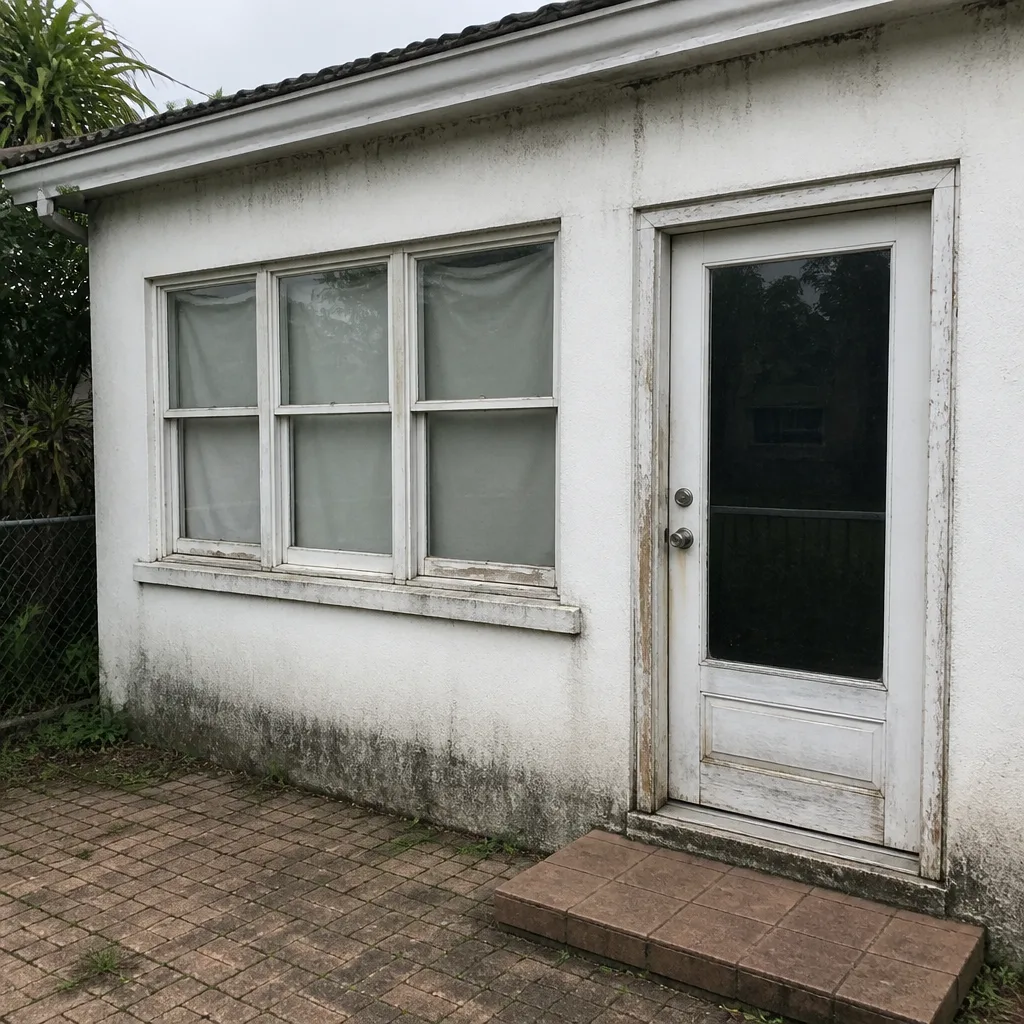 Before
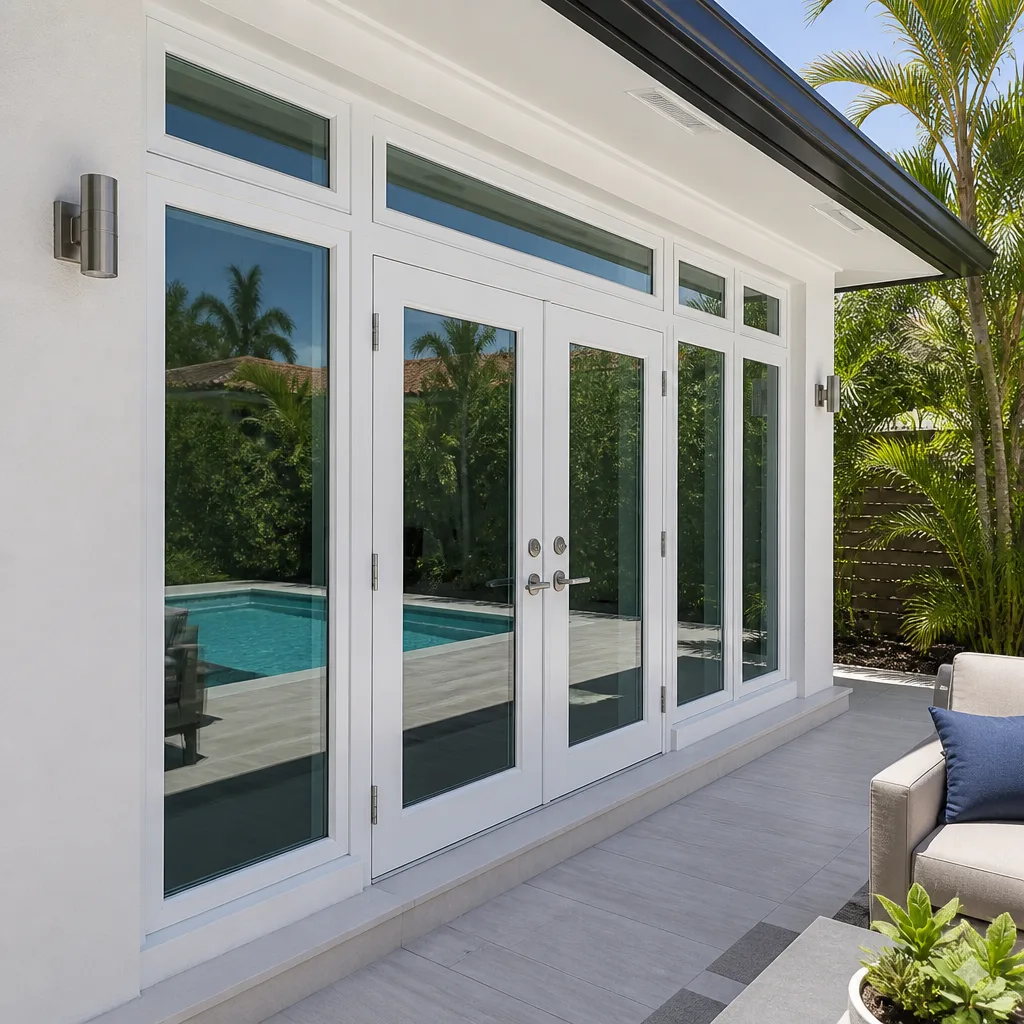 After
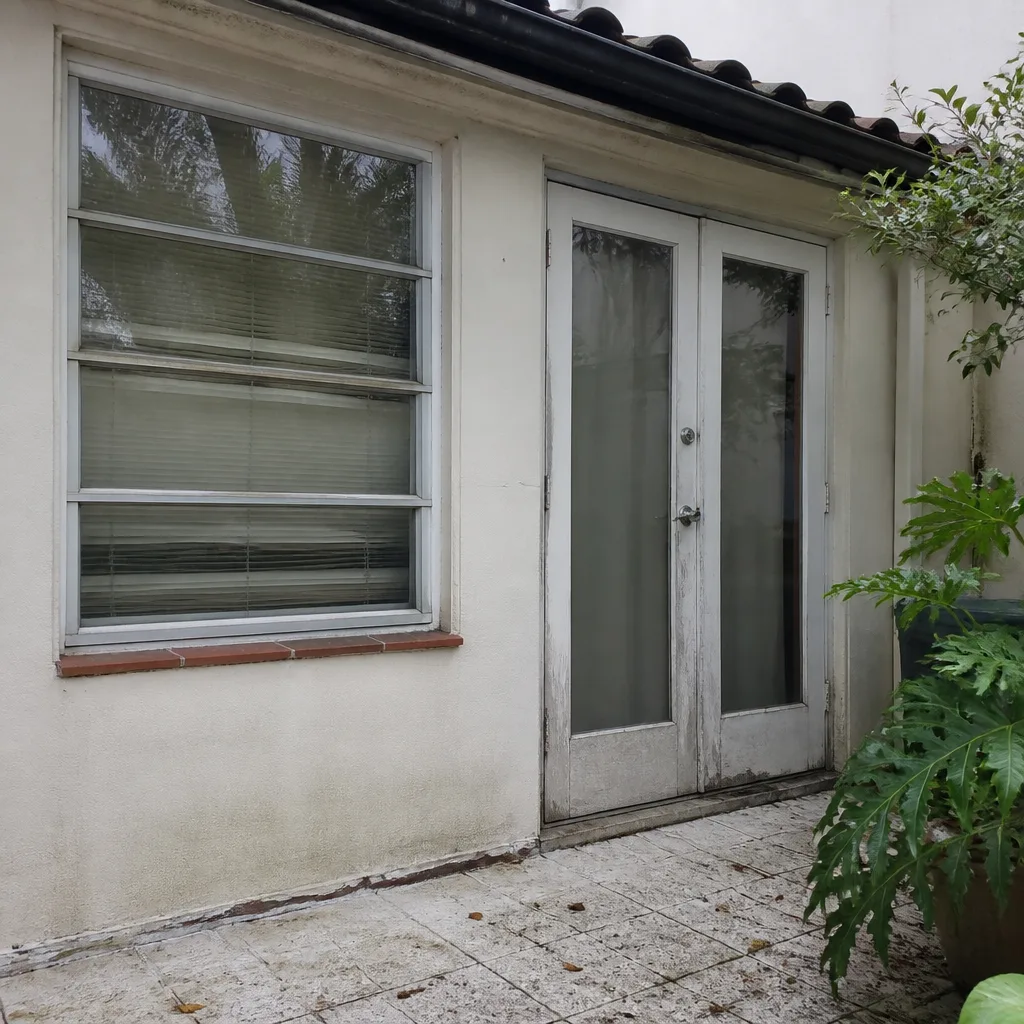 Before
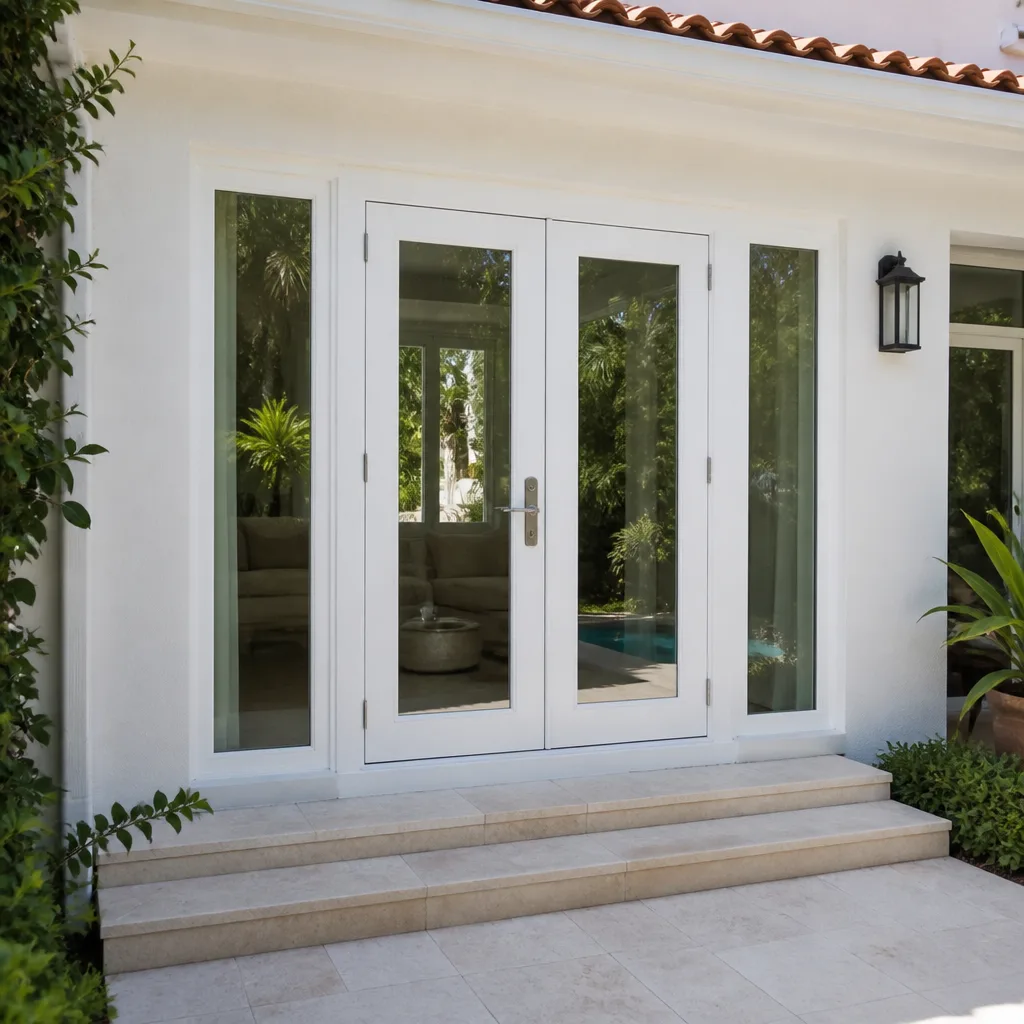 After
Window Installation Maintenance Checklist for Miami Beach Homeowners
Every year, Miami Beach homeowners spend thousands replacing windows that failed a decade early because a single maintenance step was skipped. Salt air eats through caulk beads at twice the rate seen inland. Hurricane season stress-tests every seal. Aluminum frames corrode from the inside out. The frustrating part is that most of this damage was preventable with fifteen minutes of attention twice a year. This guide walks through what to check, when to check it, and what to do when you find something wrong. It is written specifically for Miami Beach homes, where the rules are different from Orlando, Tampa, or anywhere else in Florida.
Quick Answer
A proper window maintenance routine for Miami Beach homeowners involves inspecting seals, caulking, weep holes, hardware, and tracks every six months, plus additional checks after major storms. The salt air and humidity here demand twice-yearly attention, not the annual checkup a northern homeowner might get away with. Most repairs that require a professional are in the $85 to $340 range, while full replacement of a corroded Miami Beach window unit typically runs $800 to $2,400 depending on size, frame material, and whether impact glass is required.
Table of Contents
- Why Miami Beach Windows Fail Differently
- Your Twice-Yearly Maintenance Calendar
- The 10-Point Inspection Walkthrough
- Cleaning and Lubrication Without Damaging Finishes
- Seals, Caulking, and Weatherstripping in Salt Air
- Impact Window and Hurricane Shutter-Ready Window Maintenance
- Signs Your Windows Need Replacement, Not Repair
- Common Mistakes to Avoid
- When to Call a Professional
- Frequently Asked Questions
- The Bottom Line
Why Miami Beach Windows Fail Differently
Windows in Miami Beach do not fail the way windows do in Ohio. The enemy here is not the freeze-thaw cycle. It is salt, humidity, ultraviolet exposure, and wind-driven rain. Salt aerosol from the Atlantic settles on window frames within hours of a cleaning. Over months, that salt finds its way behind caulk beads and into screw holes, where it corrodes aluminum and eats through steel hardware. We have pulled window sashes in North Beach and found the internal balance springs rusted to orange dust while the glass still looked brand new from the street.
Humidity is the second problem. Condensation forms on window interiors during the wet months from May through October, even in homes with working air conditioning. That moisture wicks into wood trim and settles into track channels. If weep holes are clogged, water pools inside the frame for weeks. Mold follows. Then rot. Then the frame starts to bind, and a window that opened easily in January will not budge by August. This is not a maintenance tip you will find in a generic checklist. It is specific to the barrier-island climate of Miami Beach, where the dew point rarely drops below 70 degrees for six months straight.
The third factor is building code. Miami Beach sits in the High Velocity Hurricane Zone. Any window replacement must meet Miami-Dade County product approval standards. That means the window units themselves are built differently: heavier glass, thicker frames, impact-resistant laminates. Those units need different maintenance than a standard double-hung from a big-box store. The good news is that a well-maintained impact window in Miami Beach can last twenty-five years or more. A neglected one can fail in eight.
Understanding these failure modes changes how you approach maintenance. You are not just cleaning glass. You are protecting the system that keeps water, wind, and salt out of your house. The TruePane Windows & Doors home resource library covers what to look for when a window has passed the point of routine care and needs professional attention.
Your Twice-Yearly Maintenance Calendar
For Miami Beach homeowners, we recommend two full window inspections per year: one in late April, before hurricane season starts on June 1, and one in November, after the season ends. Each pass takes about twenty minutes per window for the full checklist, but most of that time is spent on windows that face east and south. Those elevations take the brunt of the salt-laden ocean breeze.
April pass: Focus on storm readiness. Check that every window closes and latches fully. Verify that caulking and weatherstripping are intact. Clear all weep holes. Lubricate tracks and hinges. This is the pass that tells you whether your windows will hold up when a named storm makes landfall.
November pass: Focus on salt and corrosion damage. Inspect all hardware for rust pitting. Look for white chalky residue on aluminum frames. Check for condensation between glass panes, which often shows up as temperatures shift. This is the pass that tells you what the summer salt air did to your windows.
Between these two passes, do a quick visual check after any storm with sustained winds over 40 miles per hour. Look for cracks, chips, warped frames, or standing water inside tracks. Miami Beach gets hit with squall lines that can throw debris at windows at highway speeds. A hairline crack that looks cosmetic in October can spiderweb across the pane by December.
The 10-Point Inspection Walkthrough
Here is the inspection sequence we use on every service call in Miami Beach. It is designed to catch the most common failure points in order of severity, from structural issues that need immediate attention to cosmetic items that can wait.
- Glass integrity. Look at each pane from multiple angles, not straight on. Hairline cracks and impact star patterns show up better at an oblique angle. Run your fingers lightly along the glass edge near the frame. Any roughness means the glass is compromised.
- Frame condition. Check for chalky white oxidation on aluminum frames (common in Miami Beach within five years of installation), soft spots in wood frames, or warping in vinyl. Press gently with a thumbnail on wood frames in the bottom corners, where water collects.
- Seal integrity. Look for fogging or moisture between double panes. A failed seal shows up as a milky film that will not wipe off. This means the insulating gas has escaped and the window’s energy performance is compromised.
- Caulking bead. Inspect the caulking around the exterior perimeter of every window. In Miami Beach, caulk should be replaced every two to three years, not the five to seven years cited in generic guides. Salt air accelerates cracking.
- Weatherstripping. Open each operable window and check the weatherstripping along the sash. It should be springy, not flattened or cracked. Crushed weatherstripping is the most common cause of air leaks in Miami Beach homes, especially in older condo units along Collins Avenue and the canals.
- Weep holes. These are the small openings at the bottom of the frame that let water drain out. Use a pipe cleaner or a wire to check each one. A clogged weep hole is a standing-water problem waiting to happen.
- Hardware operation. Open and close every window completely twice. Listen for grinding, feel for hesitation, note any sash that falls on its own. If a double-hung will not stay up, the balance system needs service.
- Lock engagement. Every lock should close with a firm, positive click. A lock that slips, sticks, or does not fully seat is both a security risk and an indicator that the frame has shifted.
- Track and channel debris. Vacuum tracks and wipe channels. Sand, salt, and palm debris accumulate faster in Miami Beach than most owners expect. This debris grinds against rollers and causes premature wear.
- Exterior trim and flashing. Look at the trim boards and flashing above each window. Water stains below a window often mean the failure is above it, not at the sill. Check for missing fasteners and gaps that let water run behind the frame.
If this list feels overwhelming the first time through, start with the windows that face the ocean or the bay. Those are the ones that will fail first in Miami Beach. The inland-facing windows in a typical single-family home in the Flamingo Park or Bayshore neighborhoods will show problems years later than the water-facing elevations.
Cleaning and Lubrication Without Damaging Finishes
Cleaning windows in Miami Beach is not just about streak-free glass. The products you use matter to the long-term health of the frame, seals, and hardware. Here is what we tell our customers to use, and what to avoid.
For glass: Use a mild dish soap and water solution, or a dedicated glass cleaner with no ammonia. Ammonia-based cleaners like Windex can degrade the low-E coatings on modern windows over repeated use. Clean glass with a microfiber cloth, not paper towels, which leave lint in the corners where salt and moisture collect.
For aluminum frames: Rinse with fresh water first to remove salt residue. Then wash with the same mild soap solution. Dry completely with a soft cloth. Any water left standing on an aluminum frame in Miami Beach will evaporate and leave salt behind, and salt left in place accelerates corrosion. This is one of the highest-impact maintenance steps you can take in this city.
For vinyl frames: Avoid abrasive cleaners and any product with bleach. Bleach degrades vinyl and turns it chalky within a few seasons. Mild soap and water is sufficient.
For hardware and tracks: Use a dry silicone spray, not WD-40. WD-40 attracts dirt and turns into a gummy paste in the salt air. Apply the silicone spray sparingly to hinges, rollers, and lock mechanisms. Wipe away any excess. For sliding door tracks, clean first with a dry brush, then vacuum, then apply the silicone spray.
For wood frames and trim: Inspect for peeling paint and bare wood. Repaint bare spots promptly. In Miami Beach, exposed wood will start to rot within a single rainy season.
The goal of a good cleaning routine is to remove the salt and debris that causes damage, without introducing chemicals that cause their own kind of damage. Fifteen minutes per window twice a year covers it.
Seals, Caulking, and Weatherstripping in Salt Air
The three most common entry points for water in a Miami Beach window are the exterior caulk line, the weatherstripping, and the insulated glass seal. All three fail faster here than anywhere else in Florida. Here is how to inspect and maintain each one.
Exterior Caulking
Walk the outside of your house and look at the caulk bead around every window. In Miami Beach, a good caulk job should last two to three years. Signs that caulking needs replacement include visible cracks, sections pulling away from the frame or stucco, gaps where the bead has shrunk, and discoloration or mold growth inside the bead.
For replacement, use a high-quality silicone or polyurethane caulk rated for exterior use and UV exposure. Cut away the old bead completely with a utility knife, clean the surface thoroughly, and apply the new bead in one continuous line. Do not caulk over old caulk. The new bead will not bond and will fail within months. If this is not a job you want to tackle, it is one of the most cost-effective professional services available. A full exterior caulking pass on a typical Miami Beach home runs $300 to $700.
Weatherstripping
Weatherstripping on a Miami Beach window faces two enemies: UV exposure from the intense sun and the salt air that accelerates material breakdown. Check it by opening the window and pressing your finger into the weatherstripping. It should bounce back. If it stays compressed or crumbles, it needs replacement.
Replacement weatherstripping is a straightforward DIY job on most double-hung and casement windows. The key is matching the profile. Bring a small sample of the old weatherstripping to a hardware store or order from the window manufacturer. A mismatched profile will leave gaps that defeat the purpose.
Insulated Glass Seals
When a double-pane or triple-pane window shows condensation between the panes, the seal has failed. There is no repair for a failed glass seal. The insulated glass unit must be replaced. In Miami Beach, this is an especially common call we receive from owners of homes built in the 1990s and early 2000s, when the original window seals begin to fail en masse.
A failed seal does not mean the whole window needs replacement. If the frame is sound, the glass unit can be replaced for $180 to $600 per window depending on size and whether impact glass is involved. PGT and Simonton both offer replacement insulated glass units for their Miami-Dade approved lines. But the longer a failed seal goes unaddressed, the higher the chance that moisture will corrode the frame itself, at which point a full replacement is necessary.
Impact Window and Hurricane Shutter-Ready Window Maintenance
Impact windows in Miami Beach are built to different standards than standard residential windows. They use laminated glass, which is essentially two layers of glass bonded to a plastic interlayer. This construction means they can take a direct hit from wind-borne debris without shattering into dangerous shards. But impact windows have their own maintenance requirements that homeowners often overlook.
First, inspect the laminate edge around the perimeter of the glass. Look for any signs of separation or clouding at the edges, which indicates the interlayer is degrading. This can happen after years of direct sun exposure on south-facing windows in Miami Beach.
Second, check that every impact window closes and locks properly. An impact window that does not fully latch is not performing as designed. The lock is part of the structural system. A half-latched impact window can be blown open by the pressure differential of a hurricane, and once the envelope is breached, the damage multiplies fast.
Third, if you have accordion shutters or roll-down shutters that supplement your impact windows, inspect the shutter tracks and mechanisms at least twice a year. Salt air corrodes shutter hardware rapidly. Lubricate tracks and hinges with a dry silicone spray. If a shutter binds during deployment, fix it before hurricane season, not during.
For homeowners considering impact window replacement, the manufacturer matters. Jeld-Wen, PGT, and Simonton all produce Miami-Dade approved impact lines, but they differ in glass thickness, frame design, and warranty structure. We recommend comparing at least two or three manufacturer lines side by side on paper before committing. The price difference for identically sized windows between manufacturers can be thousands of dollars on a whole-home project in Miami Beach, and the warranty differences are just as significant.
Signs Your Windows Need Replacement, Not Repair
There is a line between windows worth maintaining and windows that have crossed over into replacement territory. Here are the signs that maintenance is no longer the answer for a Miami Beach home.
- Visible frame corrosion. When aluminum frames show pits, flaking, or structural softness, the frame is compromised. Surface oxidation can be cleaned. Corrosion that penetrates the metal cannot be repaired.
- Recurring condensation between panes. One failed seal might be worth replacing as an insulated glass unit. When multiple windows on the same elevation show failed seals, the entire window installation is aging out, and replacement is usually the better financial call.
- Windows that will not stay open or closed. This indicates a balance system failure or frame warping. Replacing the balance is possible, but if the frame has shifted, the window will never operate correctly again.
- Daylight visible around the window perimeter. If you can see light through gaps around the frame, water and air are coming through those same gaps. This usually means the flashing or the rough opening has failed, and a proper replacement is needed.
- Rising energy bills with no other explanation. If your Miami Beach home’s cooling costs have climbed year over year and the air conditioning has been serviced, the windows may be the weak link. Older single-pane windows and failed double-pane seals let the Florida heat pour in.
- Difficulty cleaning or operating. Windows that jam, stick, or have tracks so worn they cannot hold the sash are past the point of maintenance. Replacement gives you windows that operate like new.
- Water staining on drywall or window trim. Interior water stains mean water has been getting past the window for some time. By the time staining is visible, the damage inside the wall is often much larger than the window itself.
The cost of replacement in Miami Beach varies widely. A standard single-hung window replacement runs $400 to $900. Impact-rated units in Miami-Dade approved lines from manufacturers like PGT or Jeld-Wen run $900 to $2,400 per window installed. Picture windows and large fixed glass run more. The only way to get an accurate number for your home is to have a professional measure the openings and quote the specific products.
Common Mistakes to Avoid
- Using ammonia-based cleaners on low-E glass. Ammonia breaks down the low-E coating over time, reducing the window’s energy performance. In Miami Beach, where cooling costs run high year-round, that is money leaking out of the glass.
- Painting over weep holes. We see this regularly on Miami Beach homes where exterior painters have worked. A painted-over weep hole traps water inside the frame and accelerates corrosion. Weep holes must stay clear.
- Caulking over old, cracked caulk. New caulk will not bond to old, weathered caulk. The only correct fix is complete removal. Skipping the removal is a false economy that shows up as leaks within a year.
- Ignoring condensation between panes. A failed seal is not cosmetic. It destroys the window’s insulation value and eventually leads to frame damage. Many Miami Beach homeowners wait until the fogging becomes permanent, and by then the repair is more expensive.
- Using WD-40 on window tracks and hardware. WD-40 is a penetrating oil, not a lubricant for windows. It collects dirt and salt, turns gummy, and makes tracks worse. Dry silicone spray is the correct product.
- Replacing only the glass when the frame is failing. If the frame is corroded or warped, installing new glass is putting good money into a failing structure. The whole unit needs replacement.
- Deferring maintenance until after storm season. In Miami Beach, the spring inspection is the one that matters most. Waiting until after a storm has exposed a problem means paying for water damage repair on top of the window work.
When to Call a Professional
Some window work is genuinely DIY territory: cleaning, lubricating tracks, checking weep holes, inspecting caulking. Other work should not be attempted without training and the right tools. Call a professional when you find a broken or cracked pane that needs replacement, especially if it is impact glass or a large fixed window. Call when you see water staining inside the home or around the window frame; that staining usually means a hidden leak that requires opening up the wall to find the true source. Call when a window will not operate and you cannot identify the cause, particularly if it is a large, heavy sash. And call when multiple windows on the same elevation show failed seals or corrosion; that is a pattern that usually means replacement, not piecemeal repair.
TruePane Windows & Doors offers free estimates in Miami Beach. Call (386) 406-9359 to schedule one. A technician will measure every opening, inspect every seal, and put the findings on paper in plain language, with prices.
Frequently Asked Questions
Twice a year at minimum: once in late April before hurricane season, and once in November after it ends. Miami Beach’s salt air and humidity accelerate window wear, so the standard annual inspection most guides recommend is not enough here. Call (386) 406-9359 if you want a professional inspection without a sales pitch.
Professional window maintenance in Miami Beach typically runs $85 to $340 per service visit depending on the scope of work. TruePane offers a maintenance check that covers lubrication, weatherstripping checks, weep hole clearing, and a full inspection. Call (386) 406-9359 for the current rate on your specific home.
Condensation between glass panes means the insulated glass seal has failed, allowing humid outside air into the space between the panes. This is common in Miami Beach homes where original windows from the 1990s and early 2000s are reaching the end of their seal life. Surface condensation on the interior of the glass, by contrast, is usually a humidity issue inside the house, not a window failure.
Yes, in most cases. Laminated impact glass units can be replaced separately from the frame, provided the frame is structurally sound. Replacement glass for a Miami-Dade approved impact window runs $250 to $700 per unit depending on size and manufacturer. PGT and Simonton both supply replacement insulating glass units for their product lines.
Yes. Miami Beach requires permits for window replacement, and all windows must meet Miami-Dade County High Velocity Hurricane Zone product approval standards. This is not optional paperwork; it ensures the windows you install will actually protect your home. A qualified installer will handle the permit process as part of the job.
Well-maintained impact windows in Miami Beach typically last 20 to 30 years. The laminated glass itself can last longer, but frames in the salt air environment begin to show corrosion by the 20-year mark. Regular maintenance is the single biggest factor in getting the full lifespan from your windows. Call (386) 406-9359 if you want an honest assessment of where your windows are in their lifespan.
The Bottom Line
Windows in Miami Beach are not set-and-forget products. The salt air, humidity, and hurricane-season demands mean these windows need active, twice-yearly attention. The maintenance itself is straightforward: inspect glass, frames, seals, caulking, weatherstripping, weep holes, and hardware. Clean with the right products. Lubricate with dry silicone. Replace caulk every two to three years. Know the signs that a window has moved beyond repair and into replacement territory. And when the work is beyond your comfort level, call someone who will do it right, put the warranty in writing, and still be around in thirty years. That is the standard we have worked toward, and it is the standard every Miami Beach homeowner deserves.
Written by the team at TruePane Windows & Doors.
Six Reasons Homeowners Choose TruePane Windows & Doors
Impact systems engineered to design pressures up to +/-100, matched to your wind zone - your openings hold when the storm arrives.
Low-E insulated impact glass from our manufacturer lines commonly cuts monthly cooling bills 20-30%.
Laminated impact glass shuts out up to 40% of outside noise - traffic, neighbors, weather.
Monitoring services run $30-90 a month. Laminated impact glass resists forced entry around the clock, with no subscription.
Florida homeowners average around 25% savings on the windstorm portion of their policy after protecting every opening - some homes qualify for more.
A full impact package upgrades curb appeal, buyer confidence and appraised value in one project.