
Free in-home measure and quote - PGT, CGI and CWS impact lines compared on your actual openings, style by style
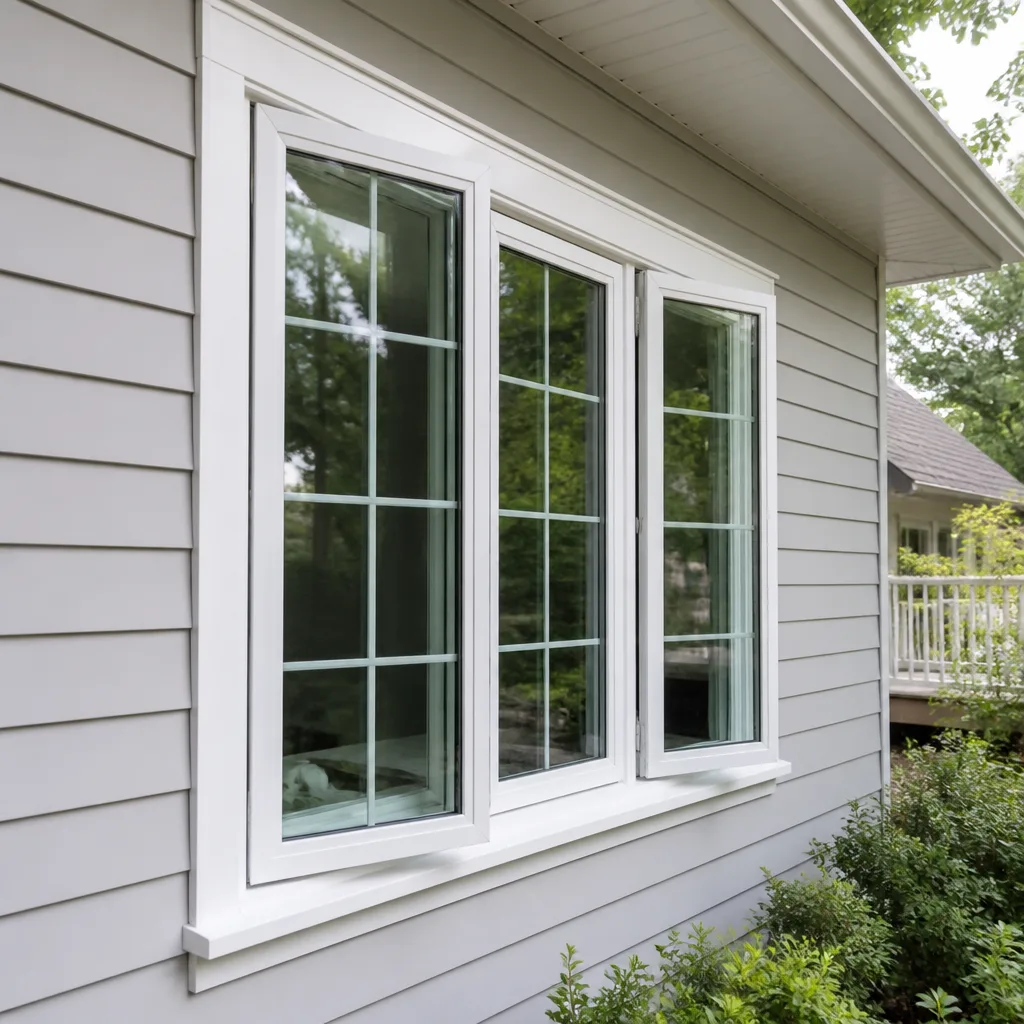
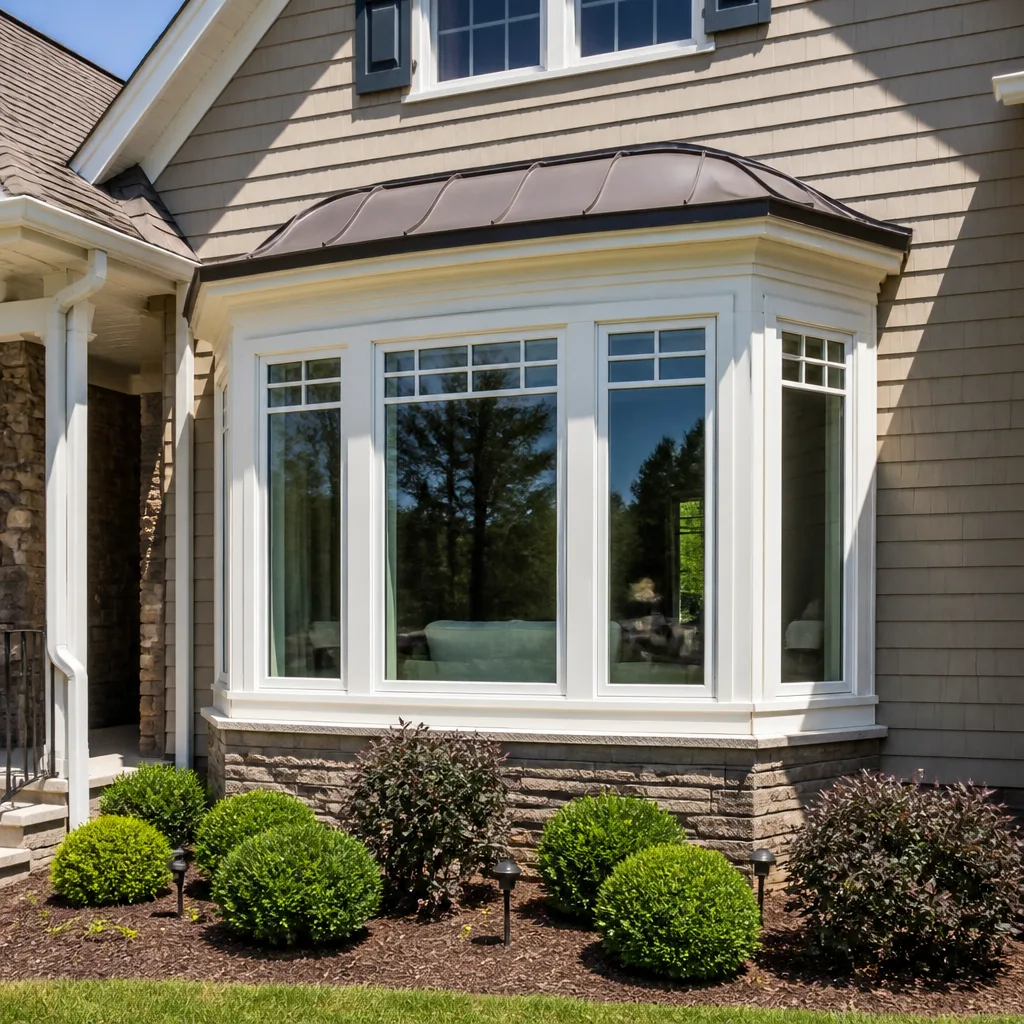
Sliding glass doors
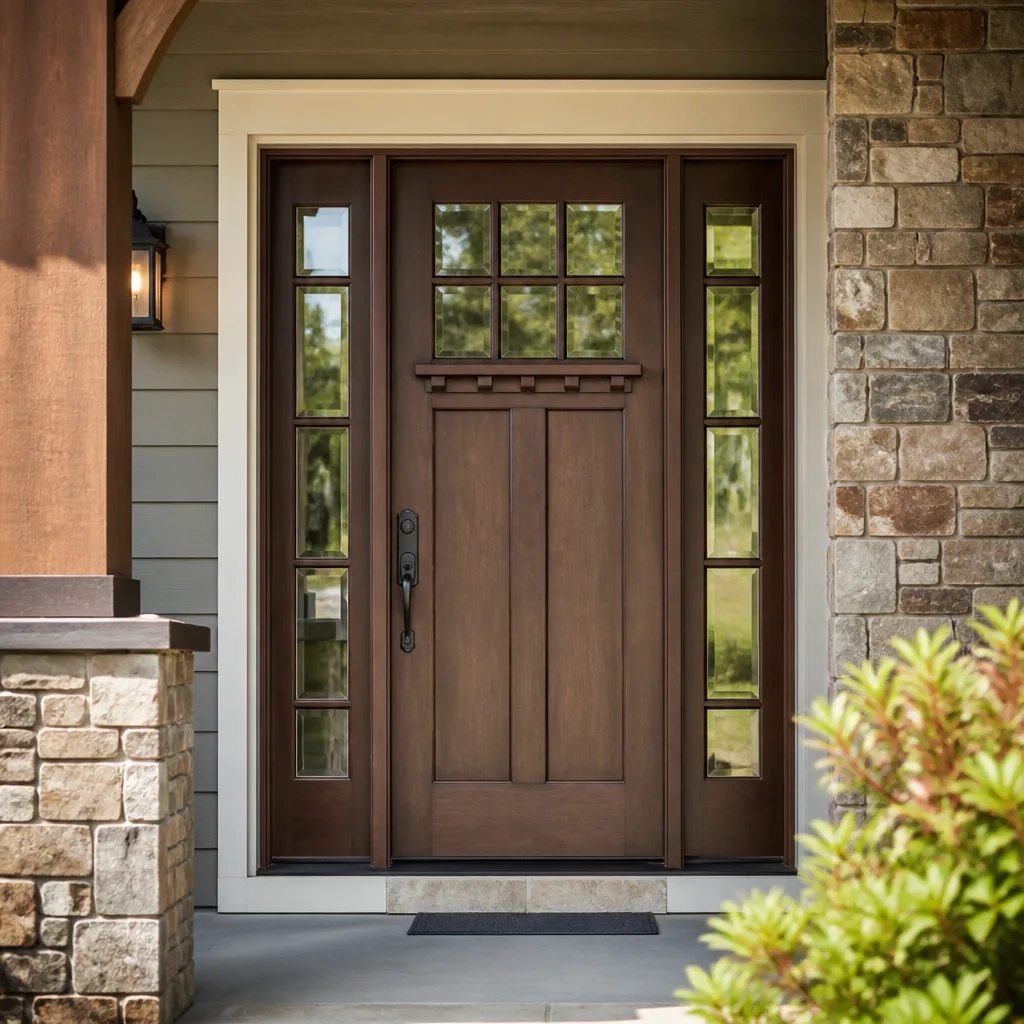
Impact garage doorsPGTCGI
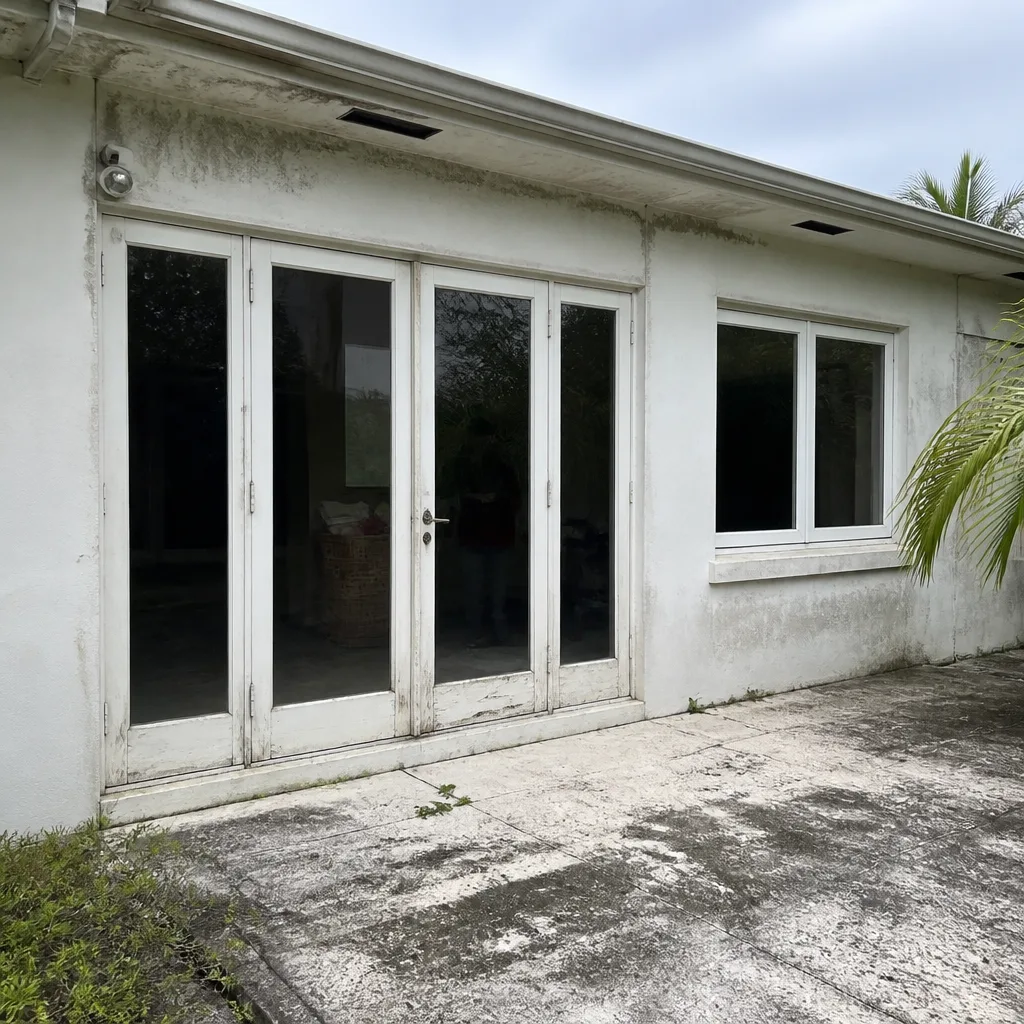 Before
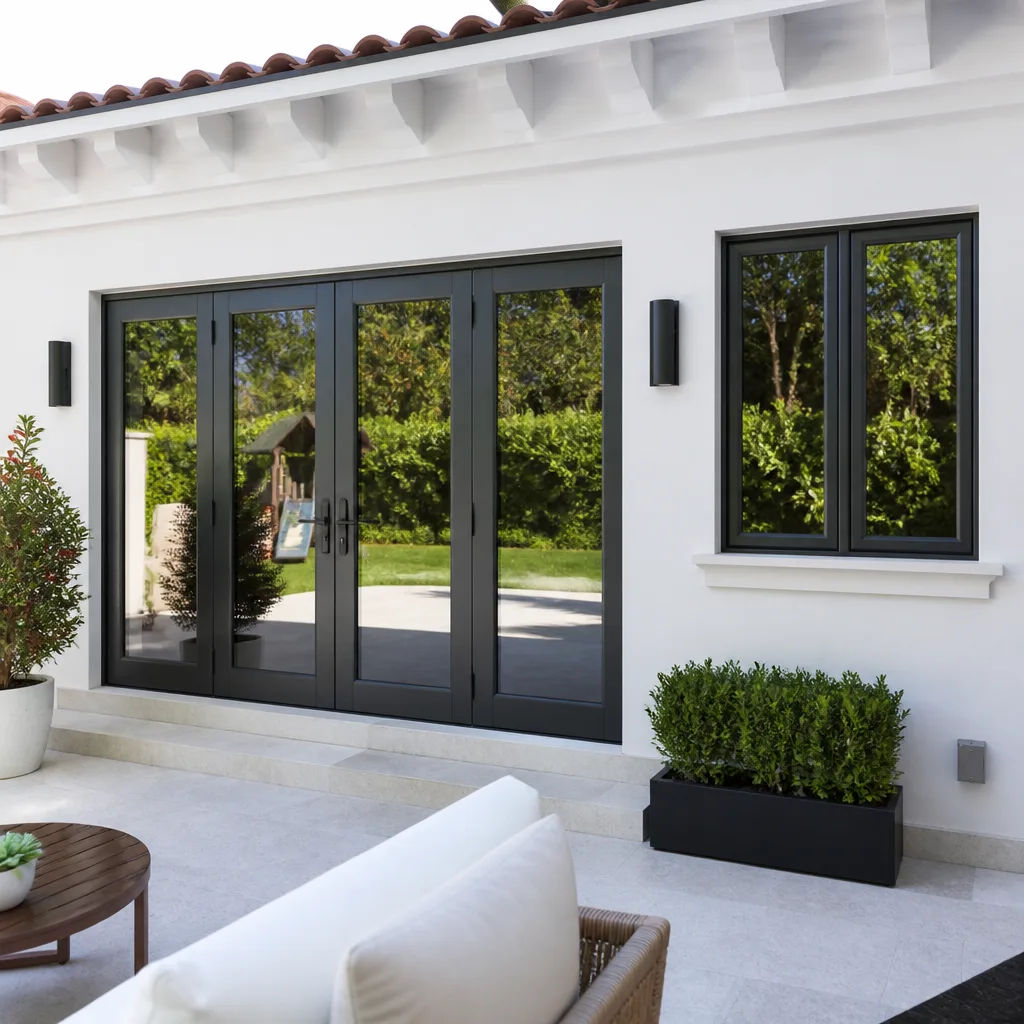 After
After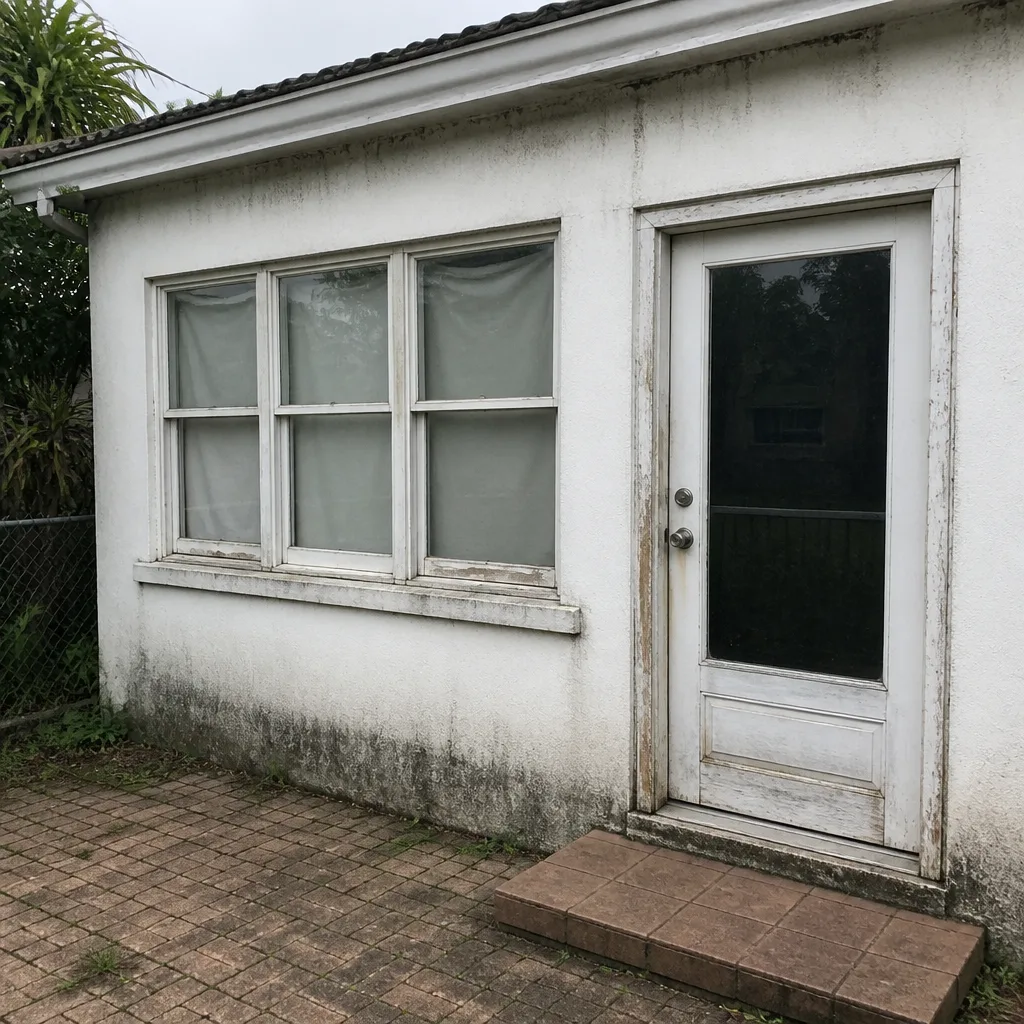 Before
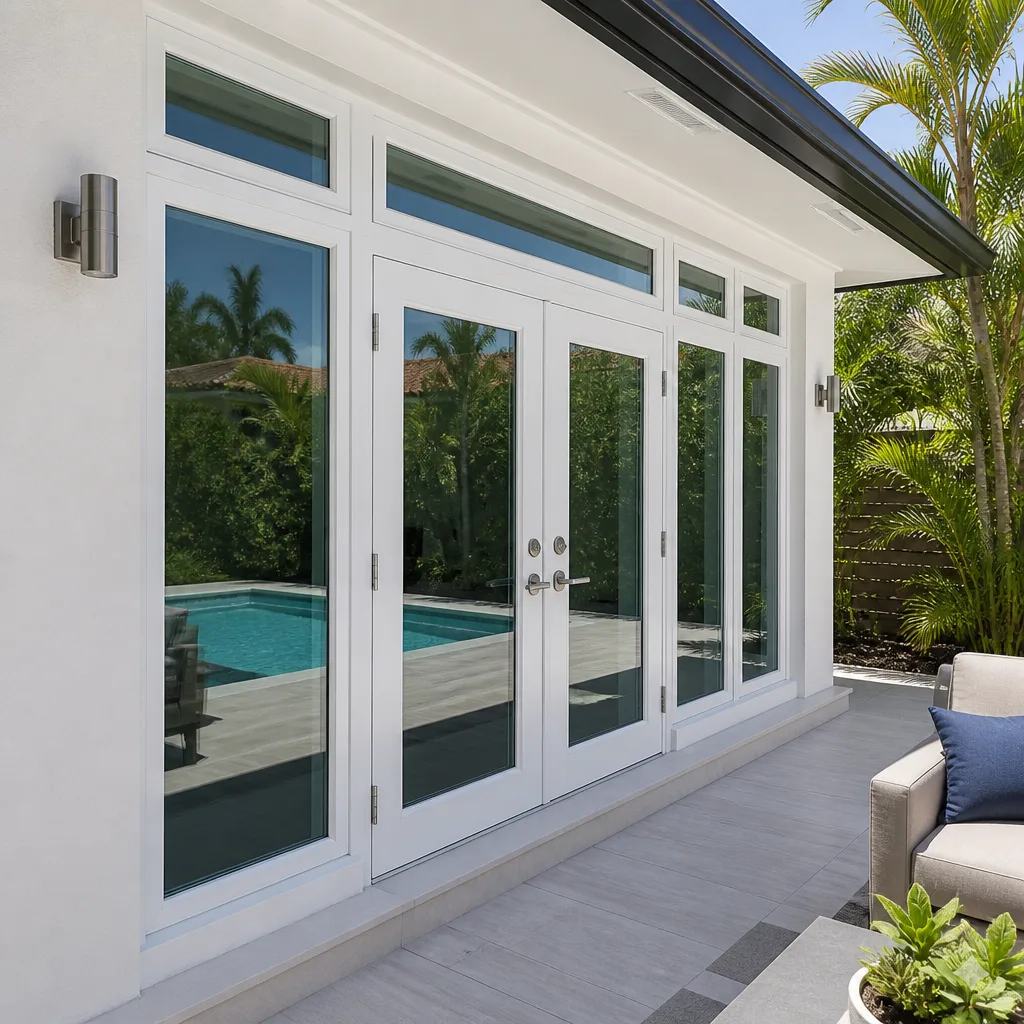 After
After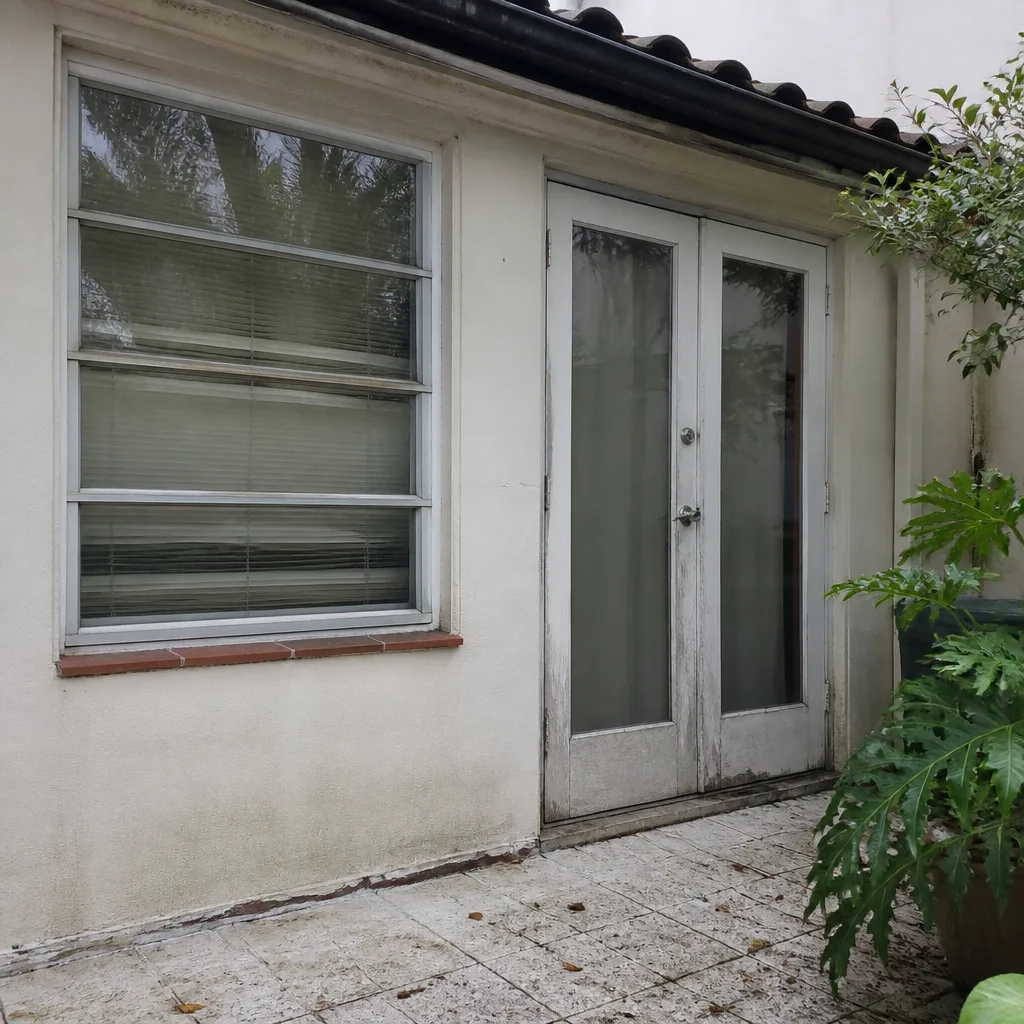 Before
 After
AfterPly Gem Glass Railing Systems: The Miami Beach Owner’s Guide
We stock and install Ply Gem-compatible glass railing components for Miami Beach homes, with most replacement parts running between $140 and $480 installed depending on the specific hardware, glass panel size, and whether we’re dealing with a top rail, baluster, or full panel swap. Most single-part replacements are completed in one visit, and we carry the common failure points on the truck. The way owners usually find us is a wobbly top rail, a clouded glass insert, or a corroded base shoe that finally let go after one too many salt-laden summers off the Atlantic.
Which Ply Gem Models This Applies To
Ply Gem glass railing systems fall under a few distinct product families, and the part you need depends on which one was installed. The most common lines we service in Miami Beach are the Ply Gem Railing Series with tempered glass infill panels, the Fairway and Westbury aluminum railing systems that accept glass inserts, and the older Moultrie glass-panel kits that started showing up on beachfront decks and balconies in the mid-2000s.
Here’s the compatibility gotcha we see repeat on service calls: the glass panel thickness is not interchangeable across lines. Railing Series infill panels are typically 6mm tempered glass, while Fairway and Westbury glass inserts run 8mm. If you order a 6mm panel and slide it into a channel milled for 8mm with the required EPDM gasket, the panel rattles, the gasket pinches, and the panel can crack under wind load. Measure the glass thickness with a caliper before you order anything. The second identifier is the base shoe profile. Ply Gem used a square-channel base shoe on earlier Moultrie kits and moved to a tapered, self-draining profile on current Railing Series production. The drain slots matter in Miami Beach. A base shoe without weep holes holds standing water against the aluminum and the glass edge for months, which is exactly how we get called out to replace pitted, corroded railings.
On the OEM versus aftermarket question: for glass panels, we always recommend OEM or a certified equivalent with the same tempering stamp and edge finish. Tempered glass is cut and polished before the tempering process. Aftermarket panels cut to size after tempering will shatter on the glass cutter’s table, so any supplier offering “cut-to-fit tempered glass” is selling something that will not work. For aluminum components like base shoes, brackets, and top rails, quality aftermarket extrusions that match the OEM profile are generally fine and can save you 20 to 30 percent. The fasteners and gaskets should always be marine-grade or at minimum 316 stainless. In Miami Beach’s salt spray zone, 304 stainless pit-wells within two years. We’ve pulled 304 screws out of railing bases that looked like they’d been chewed on.
TruePane Windows & Doors is an independent service provider. We are not affiliated with Ply Gem, but we work on their railing systems daily and order directly from Ply Gem distribution and certified aftermarket suppliers.
Signs Your Ply Gem Glass Railing Systems Is Failing
- Top rail movement at the posts. You push on the rail and it shifts a quarter inch or more. The post-to-rail bracket fasteners have corroded or the bracket itself has fatigued. Left alone, the rail eventually pulls free under the weight of someone catching their balance.
- White blooms or pitting on the aluminum base shoe. That chalky residue is aluminum oxide. What we’re looking at is galvanic corrosion where a stainless fastener met uncoated aluminum in the presence of salt moisture. The structural integrity of the channel is compromised once pitting reaches a depth you can feel with a fingernail.
- Glass panel has a cloudy or milky edge. This is delamination of the tempering layer, and it shows up faster in coastal environments than anywhere else. It is not cosmetic. Delaminated glass loses impact resistance and should be replaced before hurricane season.
- Gasket material squeezing out or crumbling at the panel seams. The EPDM or PVC gaskets have hardened from UV and salt exposure. When the gasket goes, the panel rattles, then impacts the aluminum channel directly. The first hard wind gust is generally what cracks the panel.
- Rust streaks running from any fastener head. This tells us the wrong stainless grade was used at installation. In Miami Beach, that shows up inside of two years. The fastener has lost its load-bearing capacity and needs to be drilled out with a cobalt bit and replaced with 316 stainless before the next nor’easter pressure cycle.
Replacement Cost & What’s Included
Installed replacement pricing in Miami Beach breaks down like this, and we quote the parts line and the labor line separately so you can see exactly what you’re paying for:
- Glass infill panel, 6mm or 8mm tempered, any standard size: $90 to $210 per panel installed.
- Aluminum base shoe replacement, per 6-foot section: $110 to $160 installed, including marine-grade gaskets.
- Top rail section with end caps and bracket hardware: $80 to $135 per section installed.
- Post-to-deck mounting bracket set: $45 to $75 per post installed, including 316 stainless anchors.
- Full connector and gasket refresh on an existing 20-foot railing run: $230 to $340 labor and materials.
What drives the range is condition. If the old fasteners snap off during extraction, we’re drilling and tapping, which adds labor. If the deck surface is rotted around the post base, we’re doing a structural repair before we remount anything. Every quote is written before the work starts, and it includes haul-off of the old components. Our workmanship is guaranteed for 90 days under the Done Right Promise, no fine print. If it’s not right, we make it right. That’s the company rule, and it’s been the rule since Dale Kessler hung the first shingle. The Keystone Standard covers warranty registration on any OEM components we install, in writing, before we leave the driveway.
DIY or Call Us?
There are two checks you can safely do yourself. First, walk the railing line and press firmly on each glass panel at the top corner, watching for deflection. Second, run your hand along the inside of each base shoe channel and feel for grit, pooled water, or gasket debris. That tells you what’s been collecting in there. Both of those checks are safe and take ten minutes.
What we’d caution against is attempting a glass panel removal on a corroded railing yourself. The panel is tempered, which means it holds a lot of internal stress. If the base shoe has pitted and the panel binds during extraction, the edge catches, and the panel can shatter violently. Tempered glass breaks into thousands of small cubes at high velocity. We’ve repaired hands cut to the tendon by a DIY panel extraction gone bad. One honest paragraph is all the warning this deserves: don’t handle tempered glass panels on a compromised frame. If the railing is anywhere near a balcony edge or second-story deck, that goes double.
If you’ve inspected and you’re seeing corrosion, movement, or clouding, call us at (386) 406-9359. We’ll send a uniformed technician who measures every section twice before quoting, and we’ll show you the part options on paper, side by side, before anything gets ordered.
FAQs
Plan for 12 to 18 years on the aluminum structure and 15 to 25 on the glass panels themselves, but gaskets and fasteners in direct salt exposure typically need replacement every 5 to 7 years. If the original install used 304 stainless fasteners, cut that timeline in half. Call (386) 406-9359 and we’ll tell you honestly whether your railing has five years left or needs attention now, and the estimate is free.
Corrosion at a base shoe or bracket can usually be repaired by cutting out the bad section and splicing in matched aluminum extrusion, which runs a fraction of full replacement cost. Full replacement is only warranted when the pitting has compromised multiple sections or the glass shows delamination. Call (386) 406-9359 for a written quote either way, no charge for the inspection.
A single glass panel replacement takes about one hour on the job site. A full base shoe and gasket retrofit on a 20-foot run takes a half day. Most jobs are done in a single visit, and we register the warranty before the truck leaves the driveway. Call (386) 406-9359 to schedule.
We stock the common failure components on the truck: 6mm and 8mm tempered glass panels in standard widths, base shoe extrusions, marine-grade gasket material, and 316 stainless hardware. Non-standard panel sizes and colors are ordered from Ply Gem distribution and typically arrive within 5 to 7 business days. We’ll tell you at the quote stage exactly what’s on hand and what needs ordering. Call (386) 406-9359 for exact availability on your part.
If your Ply Gem glass railing is showing its age from the salt and the sun, we’ve seen it before and we’ll tell you what it actually needs. Call (386) 406-9359 for a free estimate. We also stock replacement parts for Andersen, and Pella railing systems, so if your railing turns out to be a different line entirely, we’ll still get you square.
Written by Dale Kessler, Owner, TruePane Windows & Doors at TruePane Windows & Doors, serving Miami Beach and nearby areas.
Six Reasons Homeowners Choose TruePane Windows & Doors
Impact systems engineered to design pressures up to +/-100, matched to your wind zone - your openings hold when the storm arrives.
Low-E insulated impact glass from our manufacturer lines commonly cuts monthly cooling bills 20-30%.
Laminated impact glass shuts out up to 40% of outside noise - traffic, neighbors, weather.
Monitoring services run $30-90 a month. Laminated impact glass resists forced entry around the clock, with no subscription.
Florida homeowners average around 25% savings on the windstorm portion of their policy after protecting every opening - some homes qualify for more.
A full impact package upgrades curb appeal, buyer confidence and appraised value in one project.