
Free in-home measure and quote - PGT, CGI and CWS impact lines compared on your actual openings, style by style
Sliding glass doors
Impact garage doorsPGTCGI
 Before
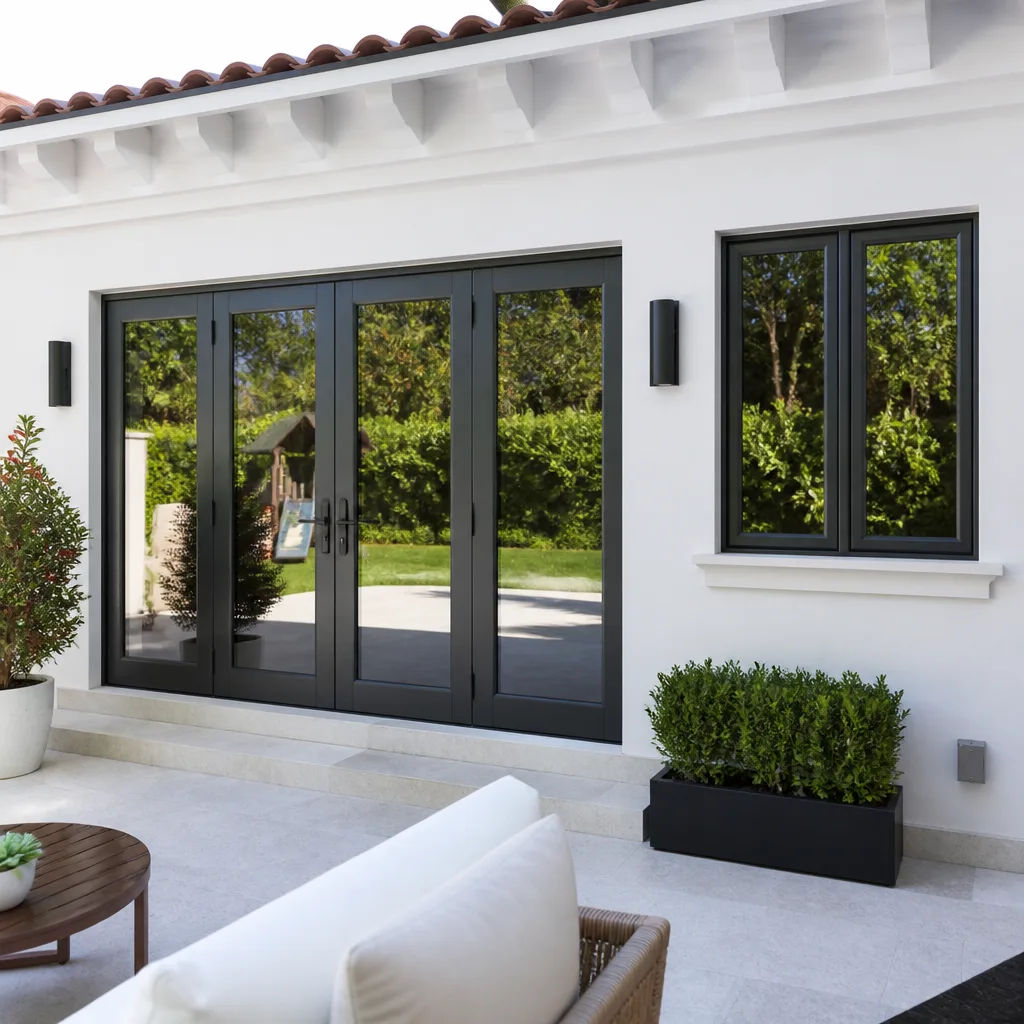 After
After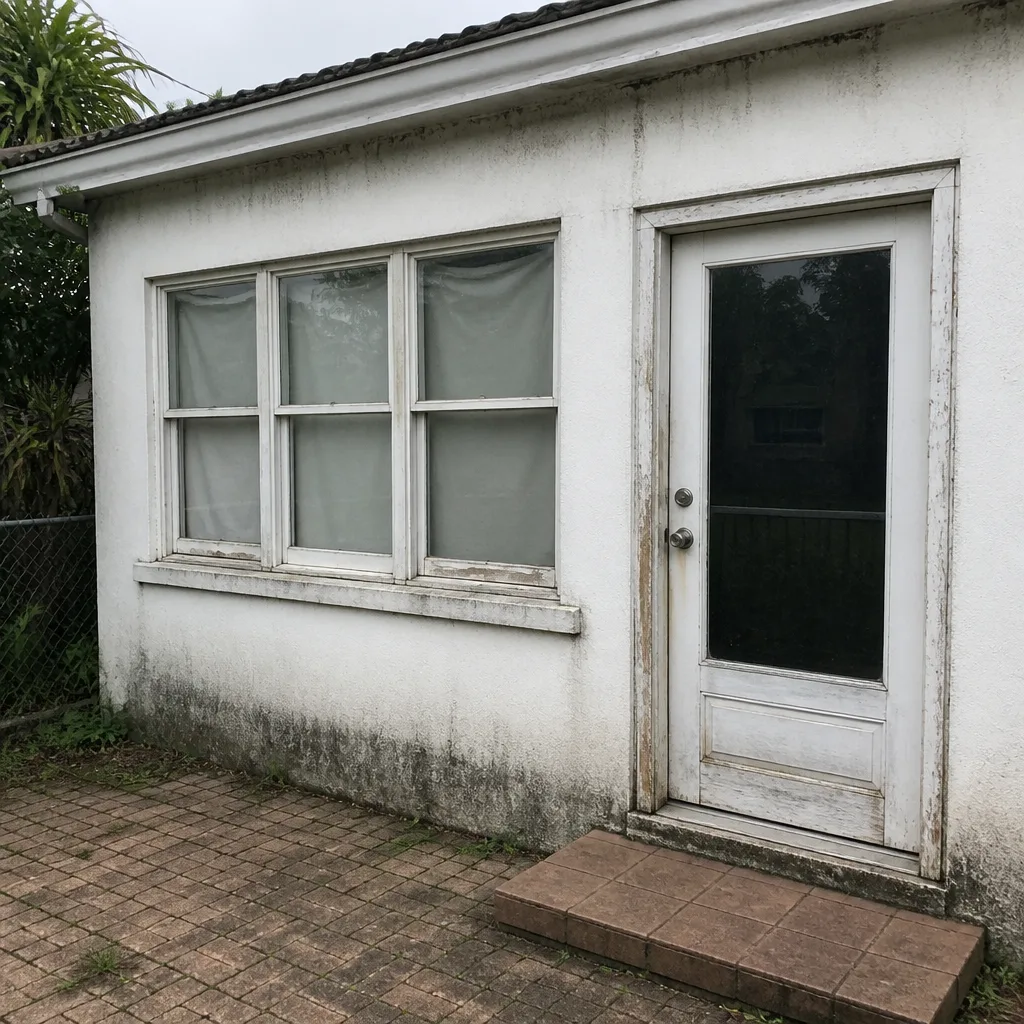 Before
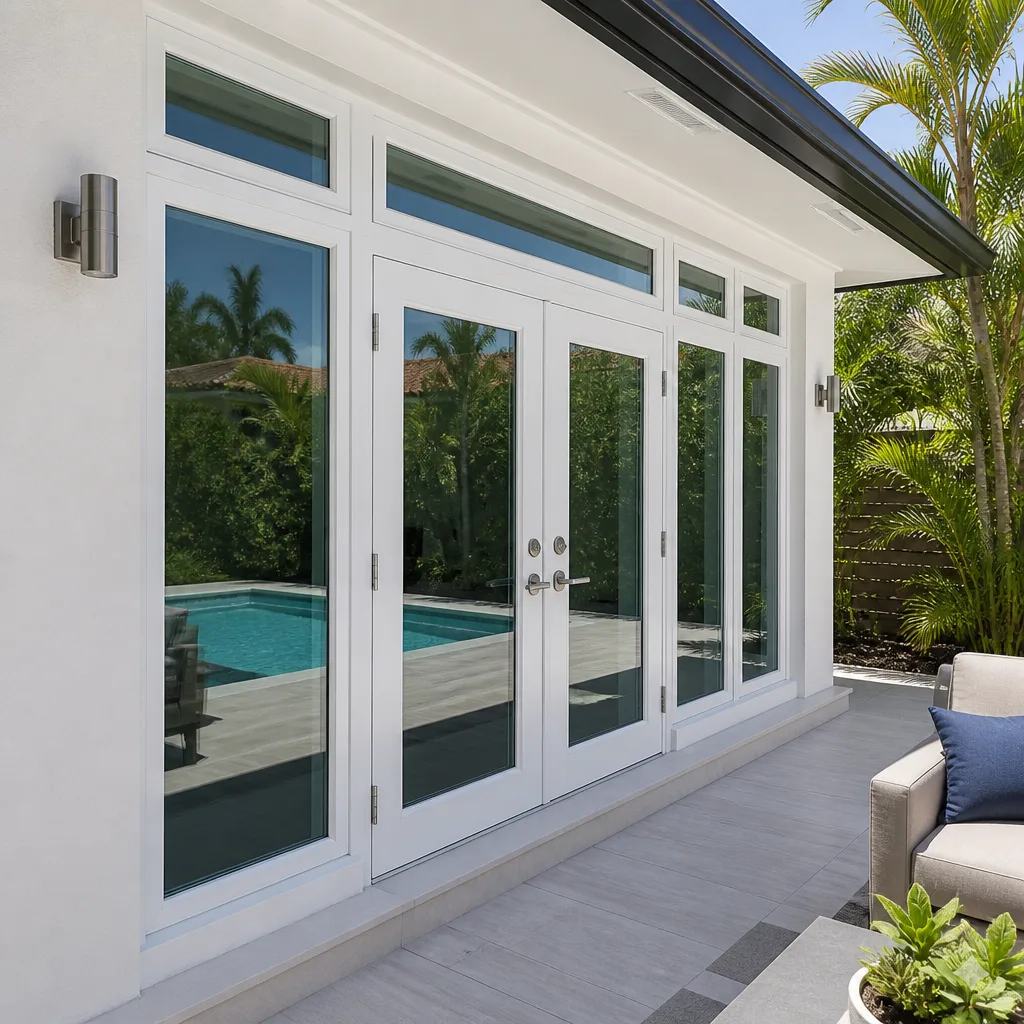 After
After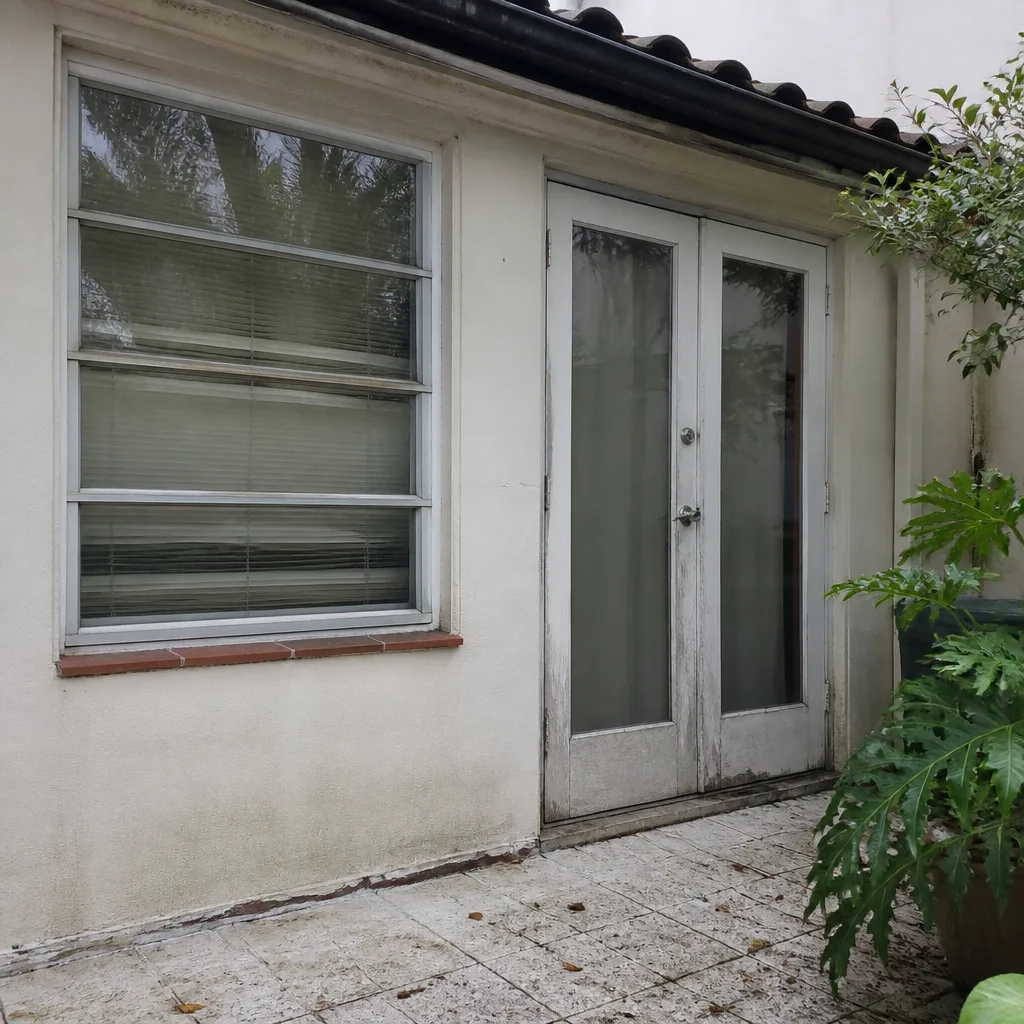 Before
 After
AfterPicture & Fixed Windows in Miami Beach, FL | TruePane Windows & Doors
Picture and fixed windows give you the view without the moving parts. In Miami Beach, where condominium sightlines run straight to the Atlantic and mid-century homes wrap around pool courtyards, a non-operable impact panel is often the cleanest way to bring in light while keeping the building envelope sealed against wind-driven rain and debris. TruePane Windows & Doors installs these systems across PGT, CGI, CWS, ES Windows, ECO, and Mr-Glass lines, and we size every unit to its actual wind zone. Call (386) 406-9359 to talk through your opening dimensions and get a written quote.
Product Overview - Picture & Fixed Windows
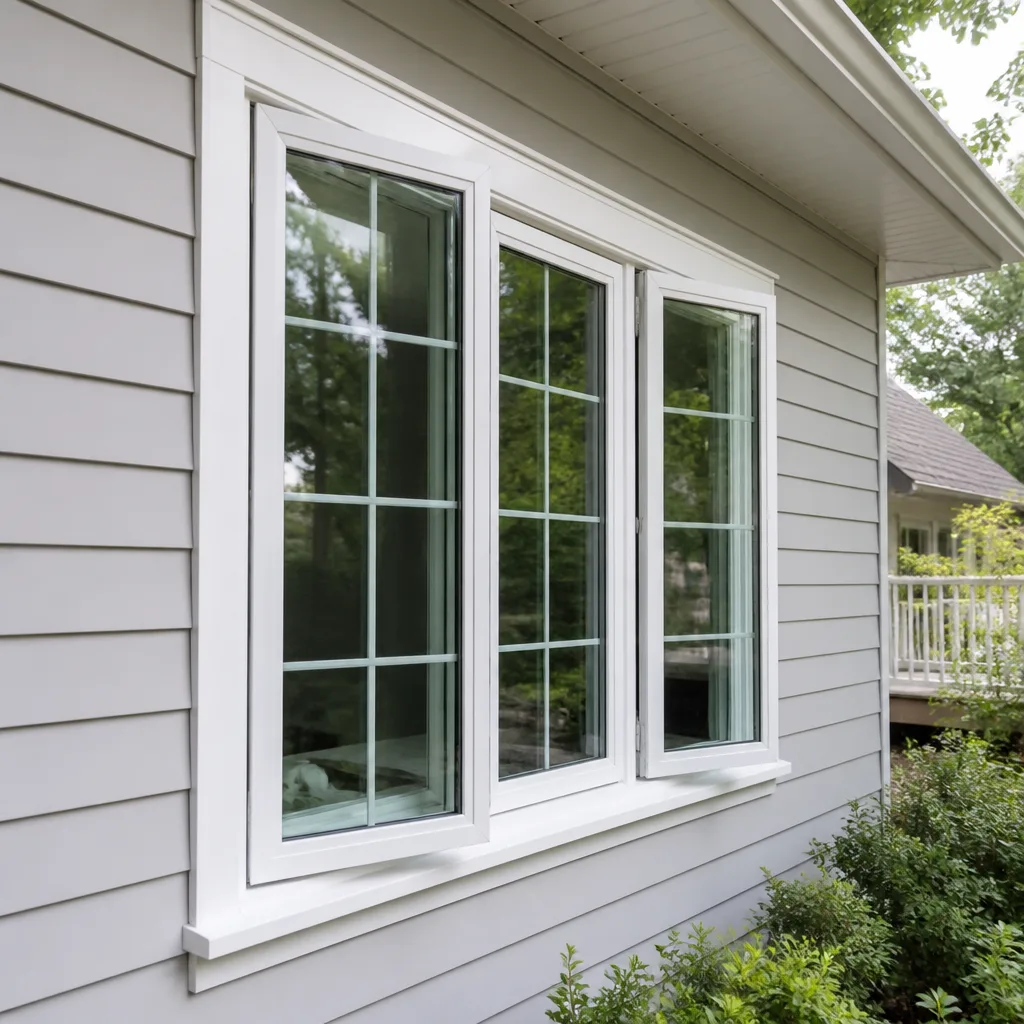
A picture window is a fixed pane of laminated impact glass set into a reinforced frame that never opens. That simplicity is the point. With no sashes, tracks, or hinges, there are fewer points for water to enter during a storm and less hardware to maintain over time. The glass carries a PVB (polyvinyl butyral) interlayer that holds the pane together under impact, so even if something hits the window during a hurricane, the glazing stays in the frame and the building envelope remains intact.
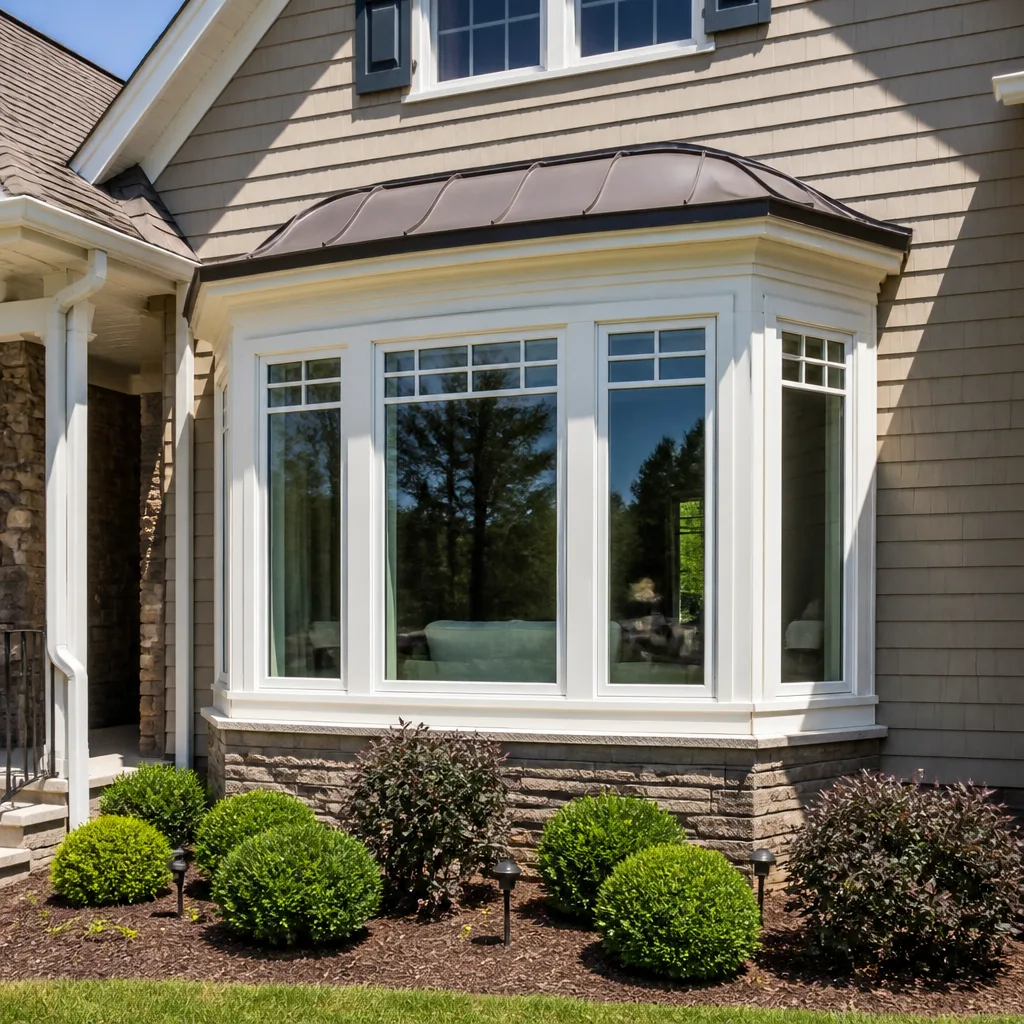
Architecturally, these panels do the heavy lifting on the view side of a home. Homeowners in Miami Beach use them as the center of a living room wall, as floor-to-ceiling panels in stairwells, or as a fixed center section flanked by operable windows on either side for ventilation. That pairing is common in coastal construction: the picture window handles the view and the light, while the operable units handle airflow when the weather is mild. We see this configuration regularly in North Beach mid-rise units and in single-family homes along the Venetian Islands, where the view is the asset and the framing should disappear as much as possible.
Frame materials matter here. We offer these units in aluminum and vinyl. Aluminum carries larger glass loads, which matters on big panels up to 120 inches wide, and it resists the salt air along Collins Avenue and the rest of the barrier island better than most materials. Vinyl offers a softer thermal break and a lower price point on smaller openings. Both are engineered to the same structural standard; the right one depends on your opening size, exposure, and finish requirements.
Technical Specifications
TruePane Windows & Doors builds picture and fixed window quotes from the configuration you actually need, not from a fixed catalog. The specs below are the working ranges we install most often in Miami Beach and across Miami-Dade County.
- Frame materials: Aluminum or vinyl, selected by opening size and wind exposure
- Maximum width: Up to 120 inches (larger assemblies possible with mulling; ask us)
- Glass options: Laminated impact glass with PVB interlayer, Low-E insulated glass, tinted glass, clear glass
- Finish options: White, almond, bronze, black, tan
- Operation: Non-operable (fixed)
- Compliance: Miami-Dade NOA and Florida Product Approval numbers issued per configuration, engineered to Florida Building Code (FBC) High-Velocity Hurricane Zone (HVHZ) requirements
- Design pressure: Matched to your wind zone, up to +/-100, never higher
For a specific quote on your opening, call (386) 406-9359 with your rough measurements and we’ll put a line-item price together.
Hurricane & Compliance Performance
Picture and fixed windows are only as strong as the system they’re built into. Here’s what matters on the compliance and performance side when you’re installing this product in Miami Beach.
Laminated Impact Glass
The impact rating comes from the glass, not the frame. A PVB (polyvinyl butyral) interlayer is bonded between two panes of glass, and that interlayer holds the glass in the frame under impact. If debris hits the window during a storm, the pane may crack but it stays in place, keeping wind and water out of the home. This is the same glazing technology used in automobile windshields, scaled for architectural openings.
Miami-Dade NOA / Florida Product Approval
The Notice of Acceptance (NOA) is the document Miami-Dade County issues for building products that have passed its HVHZ testing. Every picture and fixed window configuration TruePane installs carries an NOA or Florida Product Approval number tied to that specific glass, frame, and anchor package. Because NOAs are issued per configuration, not per brand, we verify the number on your specific quote before it goes to permit. Don’t accept a window in Miami Beach without one.
FBC / HVHZ Compliance
Miami Beach sits inside the High-Velocity Hurricane Zone, the strictest wind-load region in the Florida Building Code. Every picture window we install is engineered to FBC HVHZ requirements, which means the frame, the glass, the anchors, and the installation method all work as one system under code-level wind pressures. A window that meets HVHZ is not a marketing claim; it’s a permitting requirement in this city.
TAS 201 / TAS 202 / TAS 203 Testing Context
HVHZ-rated products are tested under a specific protocol family. TAS 201 covers large-missile impact, which means a length of timber fired at the glass to simulate debris at hurricane speed. TAS 202 covers cyclic wind-pressure loading, which means the window must survive thousands of pressure cycles, not a single gust. TAS 203 covers forced-entry resistance. Our picture and fixed window configurations carry testing documentation under this protocol family, and we can supply the reports with your permit submittal.
Design Pressure for Your Wind Zone
Design pressure (DP) tells you how much wind load a window can take before it deforms or fails. We match the DP rating of each picture window to the actual wind zone of your building site, up to +/-100, and we never spec a higher number than the building needs. Over-specifying a window wastes money; under-specifying it fails inspection. We pull the wind zone from your address and build the quote around that.
Energy Performance (Low-E / Insulated Options)
Impact glass can also be energy glass. Low-E coatings reduce solar heat gain without darkening the view, which matters in Miami Beach where the sun hits east-facing glass hard all morning. Insulated impact units combine the PVB interlayer with an air or gas-filled cavity for better thermal performance. Tinted glass cuts glare on western exposures. We’ll walk you through the trade-offs for your specific orientation.
Color & Glass Options
The finish on a picture window frame does more than match your paint. On a Miami Beach street, the right finish holds up to salt air and sun without fading or oxidizing. We offer five standard finishes on these units: white, almond, bronze, black, and tan.
White is the classic choice on the clean-lined condominium towers and modern spec homes you see across South Beach and mid-Beach. Almond and tan read warmer, which suits the Mediterranean and Spanish-tile homes common in the Flamingo Park and La Gorce neighborhoods. Bronze works well on more contemporary or industrial designs where the frame should recede into shadow. Black has become the default on new construction with dark window walls, but it shows salt residue faster than lighter finishes, so it means more frequent cleaning near the beach.
On glass selection, think about what each pane is doing. Clear laminated impact glass is the most neutral and gives you the truest color rendition, which matters when the view is the whole point. Low-E insulated glass adds a thermal barrier and cuts solar gain, a good match for big west-facing fixed panels that bake in the afternoon. Tinted glass darkens the view but reduces glare, which some homeowners on the water prefer. The glass and the frame are specified together, so tell us what you’re looking at and we’ll match the system to it.
Installation by TruePane Windows & Doors in Miami Beach
A certified impact window installed badly is no longer a certified impact window. The NOA rating covers the product as tested, but the test assumes a specific anchoring pattern, a specific perimeter seal, and a specific installation method. If those details are wrong in the field, the system’s performance in a storm is compromised, regardless of what the label says. We install to the standard because the standard is the point.
Our process on every picture and fixed window installation in Miami Beach starts with a pre-install inspection of the rough opening. We check the condition of the buck or substrate, confirm the anchor points are sound, and verify the actual opening dimensions against the NOA-approved configuration. Then we set the frame level, plumb, and square, which matters more on a fixed unit than on an operable one: a fixed window with a racked frame will trap stress in the glass and can crack under wind load or even during normal thermal expansion.
Perimeter sealing follows AAMA 812 practice using low-expansion foam, which fills the gap without bowing the frame. The interior seal is applied after the frame is anchored, and the exterior seal is tooled for water-shedding. Our installation practice follows AAMA 2400/2410 standards, which cover the full sequence from flashing to fastening to sealant.
After the unit is set and sealed, we water-test the perimeter, clean the glass and frame, and walk the site with you before we call the job done. We also stay aware of Miami Beach’s permitting requirements: picture window replacements in HVHZ jurisdictions typically pull a permit, and the building department will expect a NOA or Florida Product Approval number on the submittal. We provide the documentation with your quote so there are no surprises at plan check.
Frequently Asked Questions - Picture & Fixed Windows
The rating is matched to your building’s actual wind zone, with design pressures up to +/-100, never higher. Miami Beach is in the High-Velocity Hurricane Zone, so every quote we write for this city starts from your address and pulls the wind zone before we spec the system. Call (386) 406-9359 and we’ll confirm the DP rating for your specific opening.
Most picture and fixed window configurations run six to ten weeks from approved shop drawings, depending on the manufacturer and the glass package. Miami-Dade NOA-verified configurations on PGT, CGI, CWS, ES Windows, ECO, and Mr-Glass lines may have different production queues. We’ll give you a firm lead time with your quote so you can plan the rest of your project around it.
Yes. In Miami Beach, the building department will require an NOA or Florida Product Approval number as part of your permit package for any impact window replacement. The number is issued per configuration, so we pull the exact NOA for your glass, frame, and anchor combination and include it in the submittal documents we hand you with the quote.
Within the structural limits of the system, yes. The maximum width on a single panel is 120 inches, and larger openings are handled by mulling multiple fixed units or combining a fixed center with operable units on either side. The exact configuration must stay within the tested NOA parameters for that product line, and we’ll confirm what’s allowable before you commit to a design.
Clean the glass with mild soap and water, and wipe down the frame and sill track periodically to remove salt film and sand. In Miami Beach, the coastal air leaves a fine residue that can etch aluminum over time if it’s never rinsed. Check the perimeter sealant once a year and after any major storm, and keep landscaping clear of the frame’s weep zones so water can drain the way the design intended.
Get a Quote - Picture & Fixed Windows in Miami Beach
We keep the quoting process direct: send us the opening size and the finish you’re considering, and we’ll return a written line-item quote with the NOA-backed configuration for your wind zone and address in Miami Beach. We also schedule on-site measurements when it’s easier than guessing at rough openings. Call (386) 406-9359 to start the conversation or book the measurement.
Written by the team at TruePane Windows & Doors, serving Miami Beach, FL and surrounding Miami-Dade County.
Six Reasons Homeowners Choose TruePane Windows & Doors
Impact systems engineered to design pressures up to +/-100, matched to your wind zone - your openings hold when the storm arrives.
Low-E insulated impact glass from our manufacturer lines commonly cuts monthly cooling bills 20-30%.
Laminated impact glass shuts out up to 40% of outside noise - traffic, neighbors, weather.
Monitoring services run $30-90 a month. Laminated impact glass resists forced entry around the clock, with no subscription.
Florida homeowners average around 25% savings on the windstorm portion of their policy after protecting every opening - some homes qualify for more.
A full impact package upgrades curb appeal, buyer confidence and appraised value in one project.